

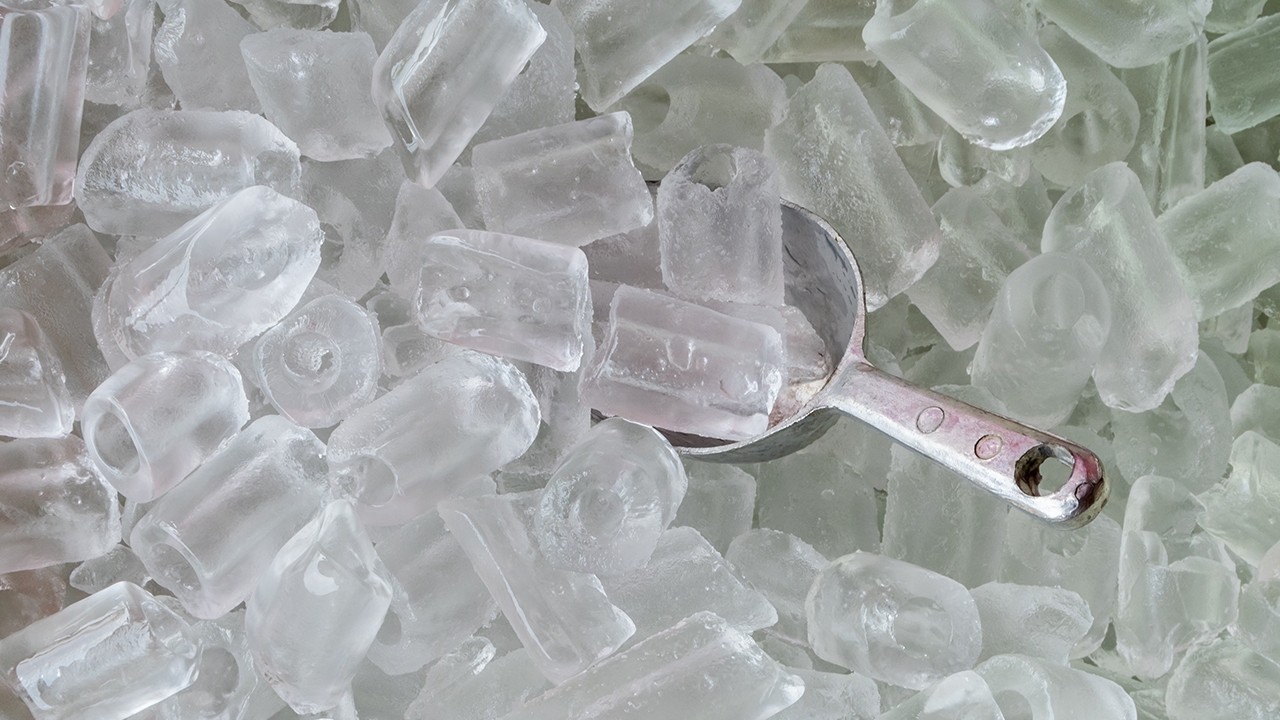
Anyone who frequently chews ice should read this! This behavior may not just be for cooling off but could signal "ice chewing disorder," risking tooth damage and linking to iron-deficiency anemia. Check your symptoms now!
Thailand is a hot country, so drinking cold water or chewing ice for refreshment is normal. But if you or someone close to you exhibits the behavior of frequent ice chewing, to the point it cannot be stopped, having ice in the mouth all year round, this behavior might not just be a personal preference but could indicate ice chewing disorder, which is a medical condition classified under Pica syndrome, an eating disorder involving consumption of non-nutritive substances.
Many wonder why some people become addicted to chewing ice. Medical data shows the main causes relate to physical and mental health issues including
which is a leading cause of ice chewing disorder. Research suggests chewing ice may stimulate blood flow to the brain, helping anemia patients who often feel fatigued and sluggish to feel temporarily alert and refreshed.
sometimes ice chewing acts as a stress-relief mechanism or is linked to obsessive-compulsive disorder (OCD), where patients chew objects to reduce anxiety.

Medical surveys find that people with iron-deficiency anemia have up to a 50% chance of developing ice chewing behavior. Thus, frequent ice chewing is often an "early warning sign" doctors observe before confirming anemia with blood tests.
Although ice has no calories and seems harmless, regularly biting hard ice directly impacts the body as follows:
Frequent ice chewing erodes tooth enamel, causes tooth sensitivity, and risks cracked or chipped teeth, potentially leading to root canal treatments or tooth extraction.
If consumed ice is not hygienic, it may be contaminated with bacteria causing diarrhea, food poisoning, and infections in the digestive tract.
Consuming large amounts of very cold items continuously may disrupt normal digestive function and upset balance.
If you have the behavior of frequent ice chewing for more than one month accompanied by fatigue, easy tiredness, dizziness, lightheadedness, pale skin, or brittle nails, you should see a doctor for initial blood tests for anemia. Do not neglect this. You can start by changing habits to sucking on ice instead of chewing or chewing sugar-free gum, and also increase intake of iron-rich foods such as animal organs, red meat, and green leafy vegetables to help restore your health balance.