

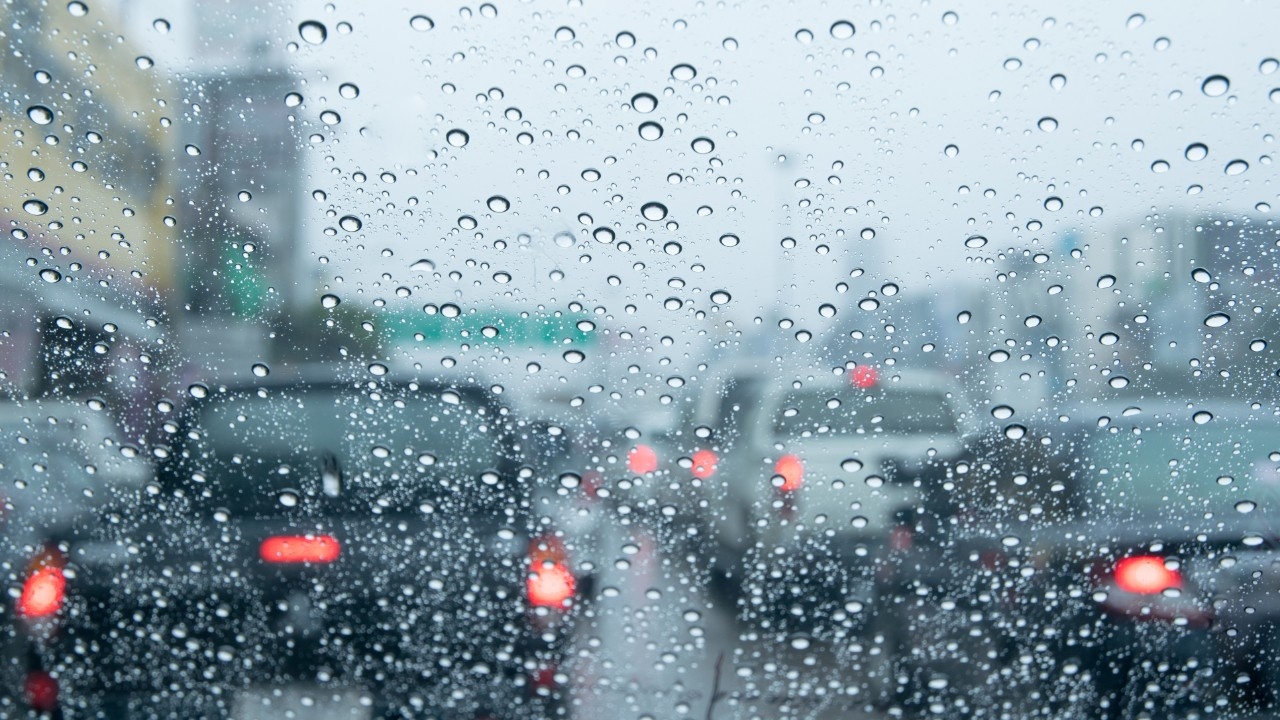
Rain and traffic jams are recurring problems for Bangkok residents that not only waste time but also erode mental health. This article invites readers to explore urban stress levels and shares methods to manage stress in traffic so your mind stays resilient despite the road conditions.
For Bangkok residents, nothing is more alarming than hearing thunder or seeing dark clouds gather around 4:30 p.m., signaling the start of the infamous cycle of rain and traffic jams. The streets turn into massive parking lots overnight, causing us to lose precious hours daily on the road. This phenomenon is a major factor quietly wearing down mental health and accumulating urban stress, leading to a condition often joked about but no laughing matter:“Rain, traffic jams, mental breakdown”
Statistics from traffic indices past and present show that Bangkok consistently ranks among Asia's and the world's most traffic-congested cities, especially during the rainy season when vehicle buildup causes movement to slow by several multiples compared to normal.
Psychologically, being stuck in Bangkok traffic for extended periods under poor visibility caused by rain leads the brain to perceivea "loss of control" situation.Uncertainty about arrival time combined with external stimuli like red brake lights flooding your vision, honking horns, and the continuous sound of windshield wipers activate the central nervous system to release cortisol—the stress hormone—resulting in palpitations, muscle tension, and increased irritability.
Since we cannot change traffic conditions or stop the rain, the only thing we can control isour mental state.Here are five stress management techniques on the road to help restore mental health for city dwellers.
When you start feeling emotionally heated like the temperature on the road, try the box breathing technique—popular with Navy SEALs to reduce anxiety—by inhaling deeply for 4 seconds, holding your breath for 4 seconds, exhaling for 4 seconds, then holding again for 4 seconds. Repeat 3 to 5 times to slow your heart rate and signal your brain to relax.

Instead of focusing on the tail lights ahead, turn the crisis into opportunity by listening to educational podcasts, audiobooks you haven't had time to read, or your favorite playlist that releases dopamine to counter stress. Avoid listening to stressful news that could worsen your mood.
Mental stress often shows physically. Sitting gripping the steering wheel for hours tightens your neck, shoulders, and back. Use moments when traffic stops to roll your shoulders in circles, tilt your neck side to side, or stretch your arms to relax muscles. Physical relaxation sends signals to your brain that you are safe, reducing stress.
Instead of thinking,“Why is my life so unlucky to be stuck here?”try reframing your thoughts to,“Since I can't change this, I have two free hours to be with myself and listen to music without interruption.”Accepting realities we cannot change greatly reduces negative energy in the mind.
Scents strongly affect the central nervous system. Consider using a car diffuser or essential oils with refreshing or relaxing aromas like peppermint, which stimulates the brain and reduces fatigue, or lavender, known to lessen anxiety and ease palpitations.
Bangkok's traffic jams during rainy days may be unavoidable as long as we have to commute in the capital. However, what we can choose is not to let external situations destroy our inner peace. Learning stress management and regularly monitoring mental health warning signs help us stay ahead of emotions and transform boring hours in traffic into sustainable moments of rest and self-care for long-term wellbeing.