

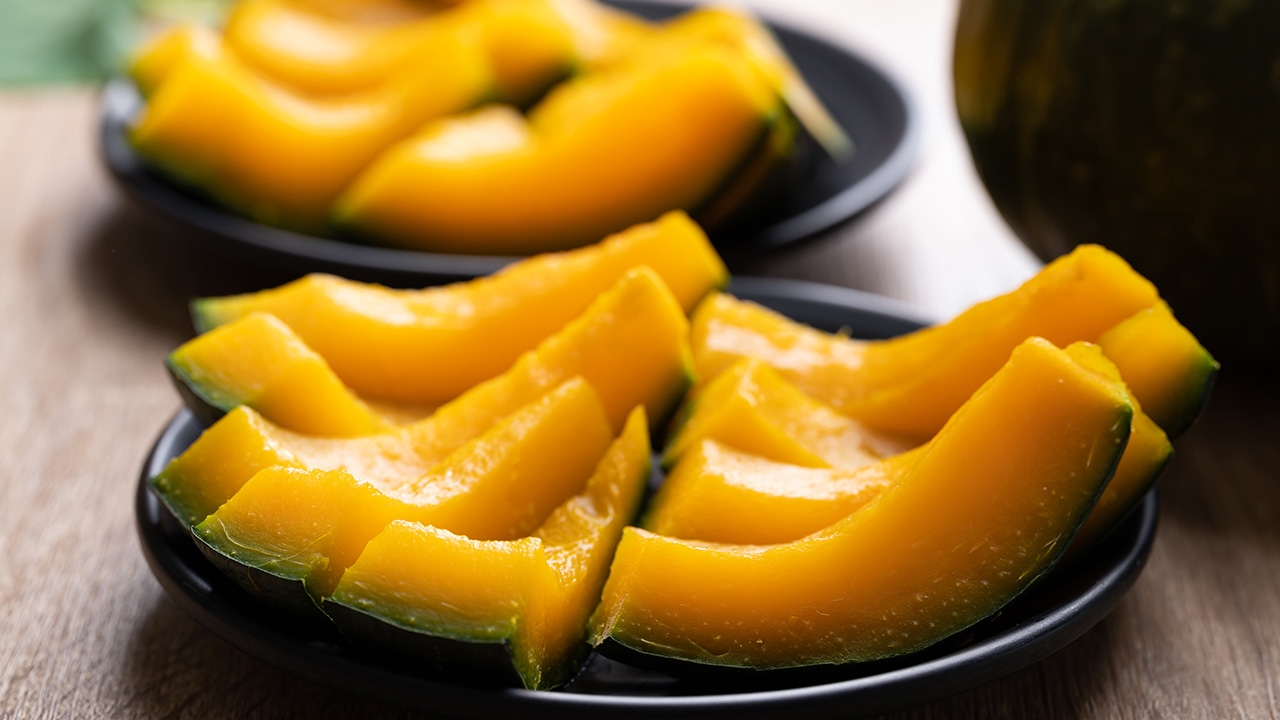
Pumpkin A golden-yellow vegetable rich in vitamins and minerals. Let's see what the benefits of pumpkin are and why it is beloved by health enthusiasts and those aiming to control their weight.
Pumpkin is not only sweet and creamy in flavor and versatile in cooking, but nutritionally, its benefits are numerous, making it one of the most accessible and affordable health food ingredients.
Nutritional data shows that pumpkin is rich in vitamins, minerals, and dietary fiber, positively impacting the body in many ways. Here are some interesting properties we've gathered for you.
1. Rich in beta-carotene, supports eye health.
The prominent yellow-orange pigment in pumpkin is "beta-carotene," which the body converts into vitamin A. This plays a key role in eye health, preventing night blindness, and may reduce the risk of age-related macular degeneration.
2. Low in calories, an excellent aid for weight loss.
Many wonder if eating pumpkin causes weight gain. In fact, pumpkin is a complex carbohydrate high in dietary fiber and low in calories. It helps you feel full longer, reduces snacking, and promotes healthy digestion.
3. Nourishes and brightens the skin.
Pumpkin flesh contains vitamins C and E, which act as antioxidants protecting skin cells from damage caused by pollution and sunlight. Additionally, vitamin C helps stimulate collagen production, making skin radiant and reducing wrinkles.
4. Boosts the immune system.
Regular pumpkin consumption enhances immunity due to its high vitamin A and C content, which support white blood cell function, helping the body resist infections and colds.

The short answer is "It does not cause weight gain if eaten appropriately." On the contrary, pumpkin is considered a "good carb" ideal for those trying to lose weight. Raw pumpkin provides only about 20-26 kilocalories per 100 grams, which is much less than white rice in the same amount. What causes weight gain is not the pumpkin itself but "the cooking method." Eating pumpkin in sweet coconut custard with a lot of sugar and coconut milk, or fried pumpkin, will definitely increase weight.
Although healthy, pumpkin should be consumed in moderation. Excessive intake over time can lead to beta-carotene accumulation causing yellowing of the skin (carotenemia). Additionally, people with kidney disease should be cautious because pumpkin is relatively high in potassium.
The benefits of pumpkin range from supporting eye health and skin care to assisting weight control. Choosing the right amount of pumpkin along with a balanced diet of all five food groups will provide comprehensive nutrition and promote long-term good health.