

Thairath Online
Thairath Online

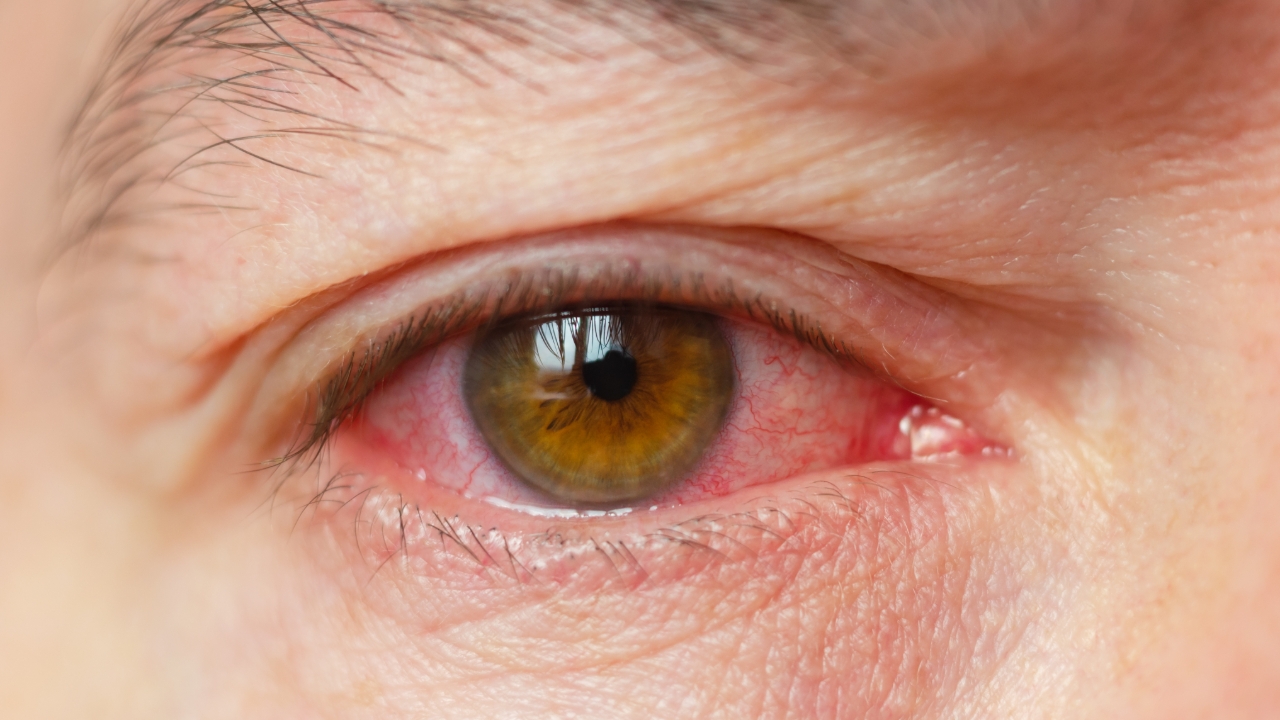
Conjunctivitis: Red, Irritated Eyes Can Be Contagious If Not Cautious

Health-and-beauty31 May 2026 19:58 GMT+7

Share

Conjunctivitis: Red, Irritated Eyes Can Be Contagious If Not Cautious

Eye abnormalities often cause worry, especially when bumps appear on the eyes—whether small bumps or painful pus-filled ones. The skin of the eyelids is delicate and highly sensitive to irritation. Noticing bumps on the eyes should not be ignored, as they may signal the start of infection or inflammation that could affect vision.

Understanding the symptoms and true causes of bumps under the eyes helps in managing them properly and seeking timely treatment to prevent the inflammation from worsening.

What do eye bumps look like?

  • Eye bumps can appear in various locations and forms, depending on the type of abnormality present, as follows.
  • Bumps on the upper eyelid usually result from blocked oil glands, causing small hard lumps or a sensation of a foreign object in the eye.
  • Bumps on the lower eyelid margin may appear as red raised lumps or small clear bumps near the lash line, often linked to eyelid margin inflammation.
  • Clear eye bumps, or small transparent bumps on the eyelid margin, are typically tiny fluid-filled sacs caused by blockage of tear ducts or small oil glands.
  • Pus-filled bumps appear as lumps with distinct white or yellow heads, often accompanied by pain, swelling, and redness.
  • Fatty bumps on the eye are usually pale yellow or milky white, painless lumps caused by fat accumulation beneath the eyelid skin.
  • Bumps under the eye or below the eyelid margin may be fatty cysts or benign tumors.

What causes eye bumps?

Daily habits and physical conditions play significant roles in causing eye bumps. The common causes include:

  • Inadequate hygiene, such as improper face washing or incomplete removal of eye makeup, leads to dirt accumulation that can clog pores or oil gland ducts. Clear eyelid bumps often result from such debris.
  • Touching the eyes with unclean hands—rubbing or touching eyelids without washing hands—introduces bacteria directly, causing eye bumps.
  • Oily eyelids and fat buildup: people with very oily skin may have overactive oil glands producing excess oil that clogs ducts, leading to bumps inside the lower eyelid margin or upper eyelid.
  • Wearing contact lenses without proper hygiene or exceeding recommended wear time can cause irritation and chronic inflammation, resulting in bumps under the eyes.
  • Lack of sufficient rest and weakened immunity reduce cell repair rates and increase infection risk, making eyelid bumps more frequent among those with heavy workloads or chronic stress.

Are eye bumps likely to become styes?

When people have eye bumps, they often wonder if they will develop into styes. The answer is that it is quite likely, especially if the bump is painful, swollen, and red. Styes result from bacterial infection of oil glands or hair follicles at the eyelid margin, and can be external or internal.

Conversely, a painless bump on the lower eyelid margin may be a chalazion, caused by oil gland blockage without acute infection. Though painless, a large chalazion can press on the cornea and cause astigmatism. Therefore, any type of bump requires close observation.

Which eye bumps require a doctor's visit?

Although early-stage eye bumps may improve with warm compresses or eyelid cleaning, you should consult an ophthalmologist promptly if you notice:

  • Rapid growth of the bump or severe pain interfering with daily life.
  • Swelling and redness spreading widely over the eyelid, not just at the bump site.
  • Visual disturbances such as double vision, blurred vision, or intense eye irritation.
  • The bump does not resolve within 1-2 weeks despite basic self-care.
  • Pus-filled bumps that rupture spontaneously with continuous bleeding or discharge.
  • Recurring bumps in the same location, which may indicate underlying conditions.

Self-care tips to prevent eye bumps and styes

  • Behavioral adjustments are key to reducing the frequency of eye bumps and maintaining long-term eye health.
  • If you begin to notice bumps or irritation on the eyelids, apply a clean cloth soaked in warm water as a compress for 5–10 minutes, two to three times daily. This softens clogged oils and facilitates drainage.
  • Clean eyelid margins gently with mild products, especially if you wear makeup, to prevent clear eyelid bumps caused by residue.
  • Avoid squeezing or puncturing bumps yourself to prevent spreading bacteria into the bloodstream or eye.
  • Replace contact lenses as scheduled and maintain hygiene of all eye-related equipment to reduce the risk of eye bumps.
  • Get adequate sleep and eat nutritious food to boost immunity, reducing the chances of eye bumps.

Treat eye bumps properly to prevent progression.

Eyes are vital to daily life. Allowing bumps to worsen may lead to serious complications that are harder to treat. Early attention to fatty or clear small eye bumps is like building a strong shield for your eyes.

Frequently asked questions

Do eye bumps cause pain?

Eye bumps can be painful or painless. Bacterial infections like styes are usually very painful, whereas fatty bumps or clear clogged gland bumps tend to cause little or no pain but may cause irritation.

Are bumps inside the eyelid dangerous?

Bumps on the inner upper or lower eyelid are not life-threatening but may irritate the eye surface and cornea. If untreated, chronic inflammation may occur, affecting vision quality.