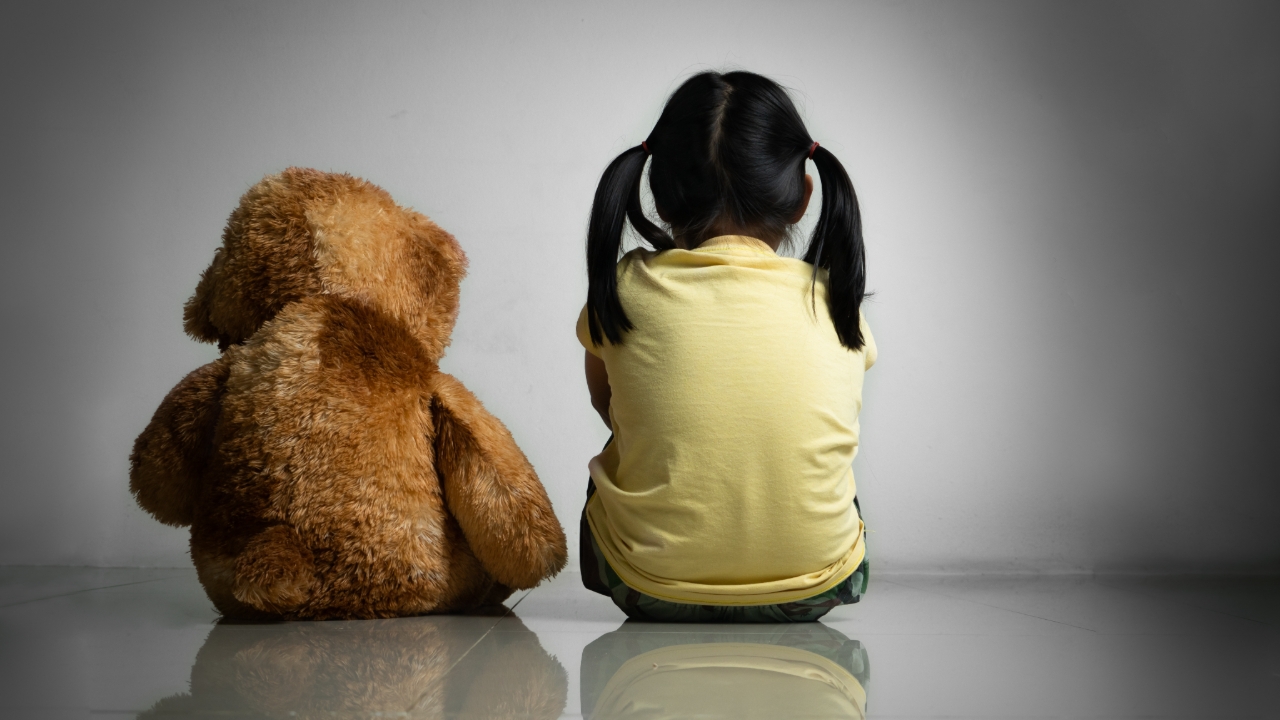
- Social skills are a fundamental basis for living in society. They enable children to communicate, understand others, control their behavior, and build appropriate relationships with those around them.
- Some special needs children may require systematic social skills training to help them adapt, form relationships, and live appropriately in school and society.
- Training systematically develops children through activities such as role-playing, learning about emotions, and interaction practice. This enhances communication skills, empathy, and emotional management, helping children adjust and thrive socially.
." Social Skills are a vital foundation for life. When problems recur and start to affect learning or confidence, taking the child to a specialist is important to address the issue effectively.
What are social skills and why are they important for special needs children?
Social skills refer to the ability to follow social rules, which in many contexts are not written but are mutually understood and accepted social norms. These skills involve communication, interaction, sharing, and most importantly, self-control in accordance with the thoughts and expectations of others.
For special needs children, these skills are especially crucial as they help reduce isolation and increase opportunities for friendship. Without appropriate social skills, a child may focus solely on their own needs and fail to understand others' feelings, making social life difficult.
Which groups of children should receive social skills training?
Although all children need social learning, the groups that should receive systematic social skills training include
- children with autism, who primarily have direct deficits in social interaction and communication,
- children with ADHD, who struggle with self-control and behavior management,
- and children with learning or emotional difficulties that affect their confidence and expression when facing others.
Common social skill challenges in special needs children
Social challenges vary depending on the type of disability.
- Children with autism often have difficulty interpreting nonverbal cues such as facial expressions, gestures, and tone of voice, as well as challenges adapting to new situations.
- Children with ADHD may understand rules but have problems with impulse control, leading them to act without considering the impact on peers, sometimes resulting in behaviors others do not accept.
Benefits of Social Skills Training
Systematic social skills training develops children's potential in multiple areas.
- Communication skills improve, enabling appropriate language use for different contexts.
- Understanding others is enhanced, helping children grasp perspectives and feelings of those around them.
- Emotional skills strengthen, building the ability to manage and regulate emotions when things don't go as desired.
Principles and concepts used in social skills training
The core of training is transforming abstract ideas into concrete ones using behavioral approaches and observational learning. Emphasis is placed on creating simulated situations so children clearly understand which behaviors are appropriate and which harm relationships.
Formats of Social Skills Training programs
- Training is tailored to each child's limitations with various formats, such as
- emotion recognition exercises starting from paper facial images to observing real expressions, progressing to analyzing complex scenarios like "How would you feel if your ice cream fell?" and "Why?"
- flexible thinking training to teach autistic children to adapt to change and not rigidly follow rules.
- role-playing to practice interactions in a safe environment before encountering real situations.
- using pictures and drawings to explain events and create "behavioral choices," showing children the different outcomes of each action.
Key skills children practice in the program
The basic skills learned and repeatedly practiced include
- greeting and starting conversations, understanding the timing to approach others and using basic phrases.
- listening and social responses, practicing waiting for others to finish speaking and responding appropriately.
- waiting and sharing through activities or games like snakes and ladders, which teach requesting permission and turn-taking.
- conflict management, learning ways to compromise when opinions differ.
Developing special needs children requires systematic collaboration from a multidisciplinary team of professionals.
- Developmental and behavioral pediatricians diagnose and provide overall treatment plans.
- Psychologists handle emotional, cognitive, and deep behavioral adjustments.
- Occupational therapists help develop life skills and practical activities with others.
- Speech therapists focus on developing social communication and pragmatic language skills.
Assessment and evaluation
Before training, a baseline assessment is conducted to determine the child's abilities and set clear goals, such as "Within one month or five training sessions, the child should be able to greet others independently three times without prompting." Clear criteria help parents see tangible progress and stay motivated to continue training.
The family's role in reinforcing social skills
The family is the most important key to success because social skills are learned through daily upbringing. Seeing a specialist once a week is not enough; parents should consistently apply techniques at home.
Moreover, "parental behavior" greatly influences children. They often learn emotional management by observation. If parents respond to problems with strong emotions, children absorb and mimic those behaviors. Adjusting the home environment to be supportive and setting a good example are essential to help children confidently and happily navigate society long-term.
Bringing a child to see a specialist for evaluation when recurring problems appear is not worrying but rather an opportunity to provide targeted help, enabling the child to develop necessary life skills sustainably.
Frequently Asked Questions from Parents (FAQ)
At what age should training begin?
The earlier the better, especially when signs of communication or social difficulties arise. Early training helps reduce long-term problems.
If a child dislikes socializing, is training necessary?
It is very necessary if the dislike stems from a lack of skills rather than personality. Training helps children interact appropriately with others even if they are not naturally social.
How long does it take to see results?
It depends on the child's baseline and consistency of training. Generally, clear goals and ongoing practice are needed to see concrete changes.
How can parents participate?
Parents play the most critical role by applying expert techniques daily, modeling good behavior, and creating an environment conducive to the child's social learning.