

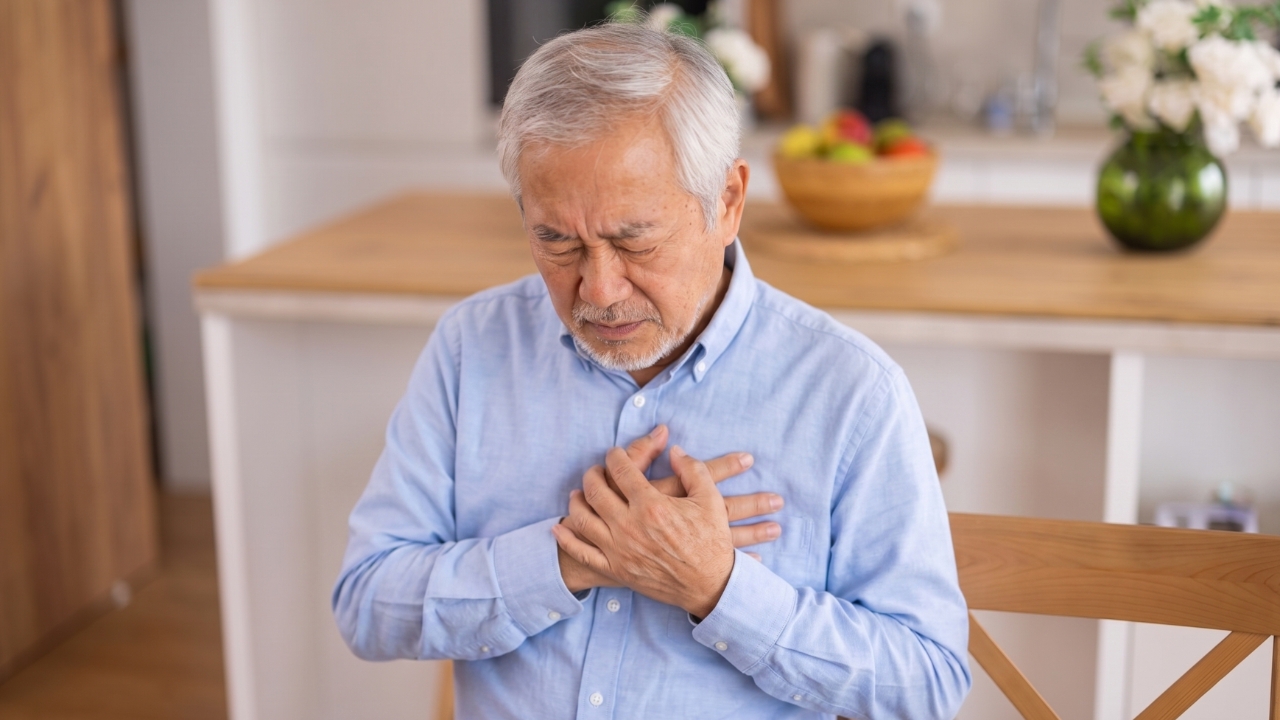
Heart Disease It is one of the most common health problems and remains a leading cause of death worldwide. What is concerning is that in many cases, patients may not realize they have abnormalities because early symptoms are often mild or resemble general fatigue. Recognizing warning signs early is important as it enables timely medical diagnosis and treatment.
Heart Disease refers to a group of disorders caused by abnormalities in the heart or blood vessels related to heart function, resulting in inefficient blood pumping to various organs. This can lead to serious complications such as heart failure or acute myocardial ischemia.
A common symptom is feeling tightness, discomfort, or a heavy pressure in the center of the chest. Some may experience pain radiating to the left arm, shoulder, neck, jaw, or back, especially during exertion or stress. If symptoms do not improve with rest, immediate medical attention is advised.
If you can usually perform activities normally but suddenly start to feel tired, short of breath, or weak even with light activity, it may indicate the heart is not pumping blood efficiently, leading to insufficient oxygen supply to the body.
Some patients may feel breathless, have difficulty breathing, or experience labored breathing, especially during exertion or even at rest, which may be linked to heart dysfunction.
If you notice your heart beating unusually fast, forcefully, or irregularly without exercise or excitement, it could be a sign of arrhythmia that requires further medical evaluation.
When the heart does not pump enough blood to the brain, it can cause dizziness, lightheadedness, or loss of consciousness. Frequent occurrences should prompt urgent medical consultation.

Swelling around the feet or ankles may result from fluid retention in the body, which is a sign of heart failure.
Unexplained heavy sweating, especially when accompanied by chest tightness or difficulty breathing, may indicate acute myocardial ischemia.
Some people may need to prop themselves up with extra pillows or wake up at night due to breathing difficulty, possibly caused by pulmonary congestion from reduced heart function.
Although these symptoms may seem related to gastrointestinal issues, in some cases they may be associated with heart disease, particularly when occurring alongside other circulatory abnormalities.
Feeling persistently weak, tired, or lacking energy over a long period despite adequate rest may be another sign the heart is working harder than normal.
If chest pain or tightness lasts more than 15-20 minutes continuously, or if sudden shortness of breath, excessive sweating combined with chest tightness, or loss of consciousness occurs, you should promptly go to the hospital. These may be signs of acute myocardial ischemia requiring urgent treatment.

The answer is it depends on the type and cause of the heart disease. Some heart diseases can be cured or managed to allow near-normal life, such as certain valvular heart diseases corrected by surgery or some arrhythmias treated with cardiac ablation.
However, many types of heart disease are chronic conditions that cannot be completely cured but can be managed to control symptoms, slow disease progression, and reduce complication risks through continuous treatment, such as
The key is early detection of heart disease, because the sooner treatment begins, the better. If abnormal symptoms persist or multiple symptoms occur together, you should consult a specialist for proper diagnosis and treatment planning before severe complications develop.
References:Samitivej Hospital,Vibhavadi Hospital