

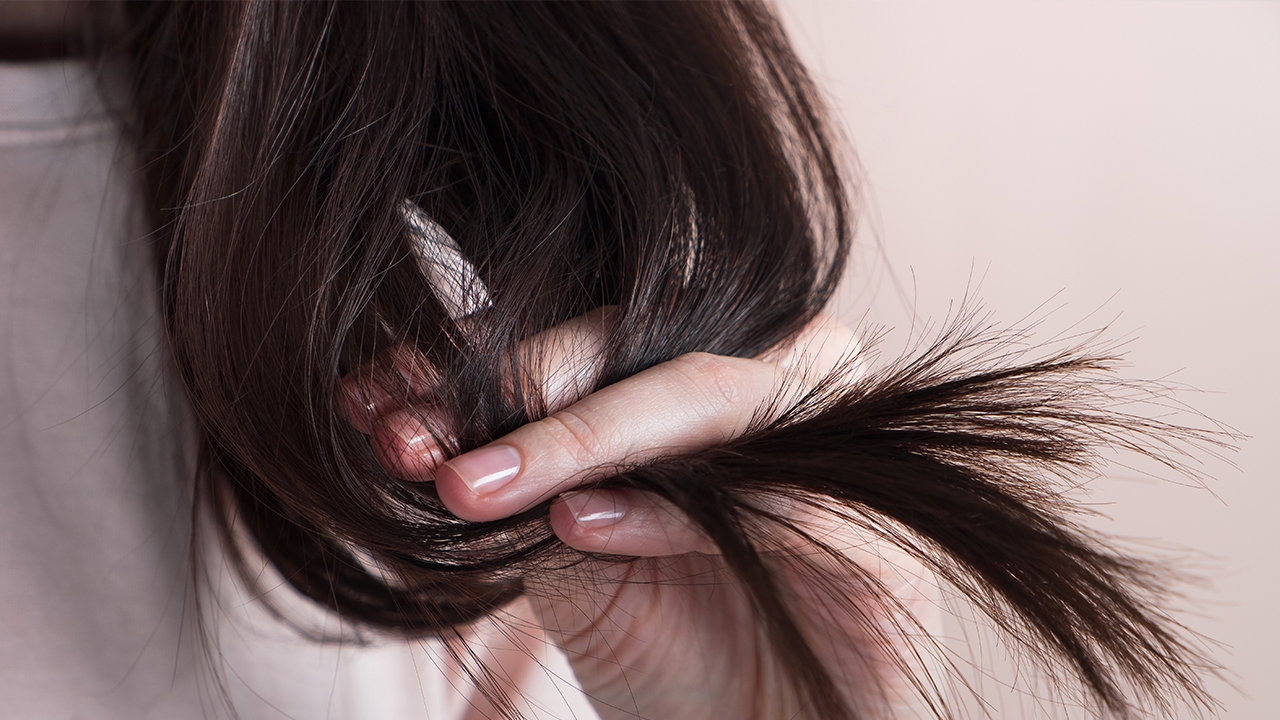
Many people face a tiring day, and returning home to bathe and cleanse the body, including "washing hair at night" is one way to refresh and remove dirt from the hair.
After washing, many do not dry their hair completely but let it air dry naturally or lie down to sleep while hair and scalp remain damp. The hidden danger beneath this moisture can harm health and appearance more than expected.
Human skin normally hosts microorganisms and small fungi in balanced amounts, especially Malassezia fungus, which feeds on oils secreted from hair follicles. However, if you wash hair at night and don’t dry it, moisture seeps into pillows and bedding, creating a damp, dark, and warm environment that rapidly encourages fungal growth.
When scalp fungus grows abnormally, it directly affects skin structure as follows:
If you must wash hair at night, follow these tips to maintain hair quality:
The habit of washing hair at night then letting it air dry or going to bed with damp hair is a risk factor not to overlook in daily life. Although fatigue pushes us toward convenience, the long-term effects of moisture buildup—dandruff, scalp inflammation, and hair loss—come at a cost to health and appearance.
Allocating time to dry hair roots fully before bed or shifting hair washing to the morning is the safest and most worthwhile choice to preserve scalp and hair health for the long term.