

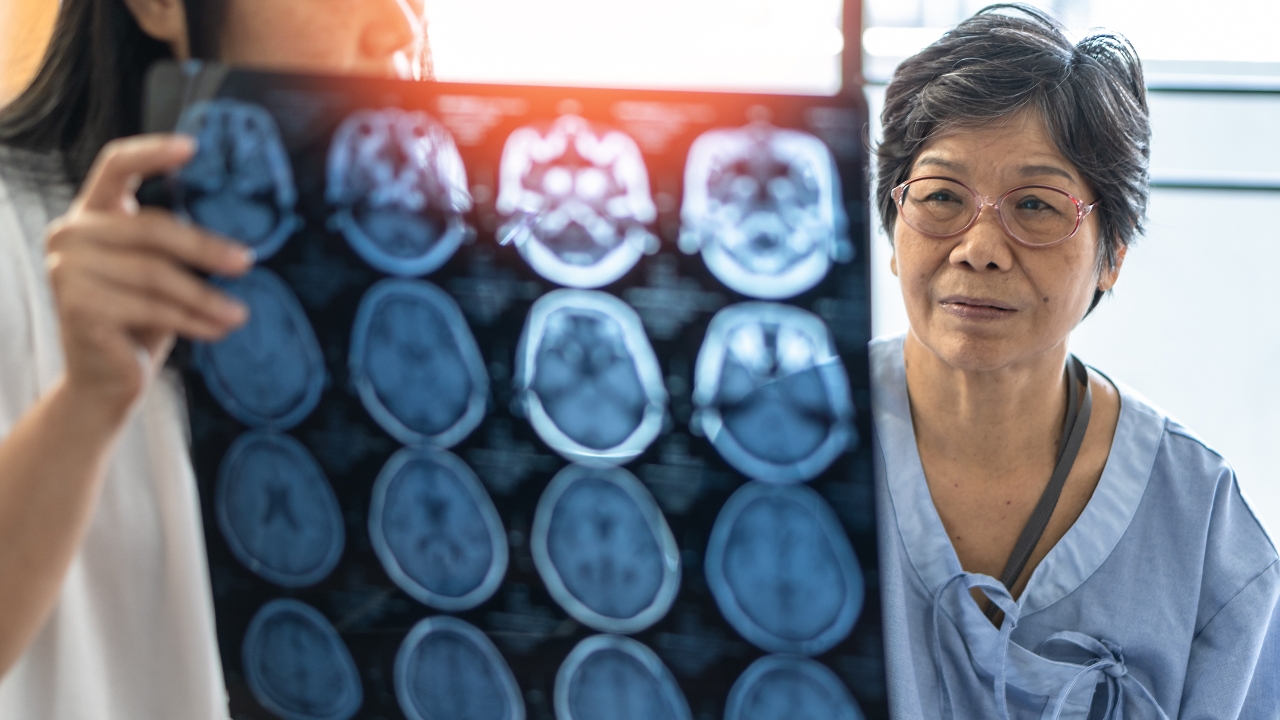
Update on the latest Alzheimer's disease innovations and treatments capturing global attention, weaving new hope to slow memory loss for patients and families, along with care guidelines that loved ones and health-conscious people should not miss.
Alzheimer's disease is a nightmare for the elderly and their families, being the most common form of dementia. Historical medical data show there is no cure yet. Past treatments mostly managed symptoms. However, as Thailand and the world enter full aging societies, medical research has accelerated innovation development, creating new hope that could forever change Alzheimer's treatment history.
Global medical studies and recent health reports indicate that current Alzheimer's treatment approaches have advanced significantly, focusing on addressing the disease's root causes rather than just symptom management, as follows.

A key breakthrough innovation is immunotherapy drugs (monoclonal antibodies) such as Lecanemab and Donanemab, approved by the US Food and Drug Administration (FDA). These medications work by binding to and clearing amyloid-beta protein plaques accumulating in the brain, a major cause of the disease. While not curative, studies show they can significantly slow memory decline and daily functioning deterioration if administered early.
The key to effective new drug use is early detection. Medical science now offers blood tests measuring P-tau217 protein levels, which accurately indicate Alzheimer's risk and are more accessible and affordable than cerebrospinal fluid tests or PET scans, allowing timely treatment access.
Another promising avenue is testing GLP-1 drugs, commonly used for diabetes and weight loss, in Alzheimer's patients. Researchers found these may reduce brain inflammation and protect neurons. Clinical trials are ongoing, marking another future hope.
In Thailand, access to new drugs may take time and be costly. Therefore, Alzheimer's treatment from a preventive care and lifestyle adjustment perspective remains the best protective measure for Thai people.

Although Alzheimer's is not yet fully curable, emerging innovations and medications represent major steps that return "time" and "quality of life" to patients and families. The most important action is vigilant observation of loved ones for abnormal forgetfulness, with prompt consultation with neurologists for early risk assessment.
Source:Parade