

PRP injection (Platelet Rich Plasma) is a medical technique used to treat injuries of joints, tendons, and muscles. Studies and clinical use of PRP have shown good results with low side effects because the substance is extracted from the patient's own blood, providing high safety and treatment efficacy.Previously, there have beenmany patients and athletes choosing this method to treat their injuries.
PRP stands for Platelet Rich Plasma and is a treatment using the patient's own platelets. Blood is processed to concentrate platelets at levels higher than normal. Currently, PRP is categorized into two groups: one with very high platelet concentrations of about 5-10 times normal, and another with concentrations about 2-3 times normal.
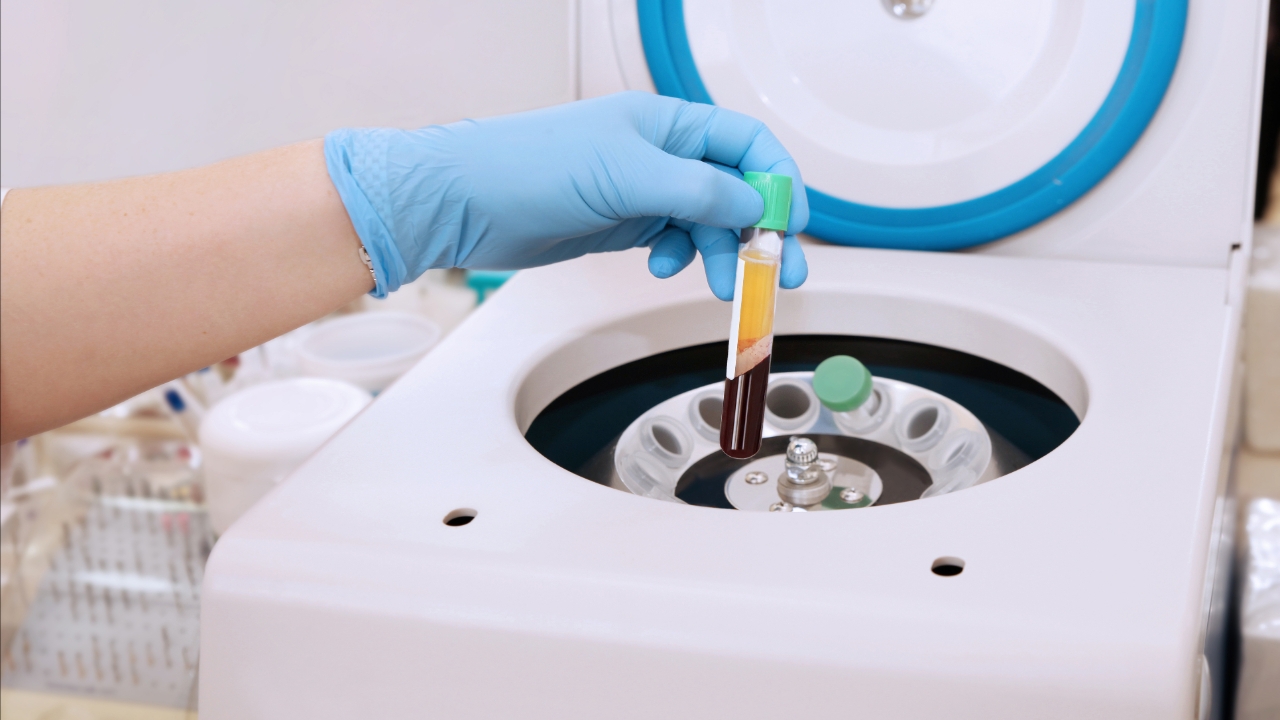
The treatment principle uses platelets separated by centrifugation to obtain a blood component suitable for therapy. Platelets secrete factors that stimulate repair of injured tissues and improve the affected area. This is based on the observation that normally, when the body suffers skin wounds or blood vessel rupture, platelets aggregate to form clots to stop bleeding and then activate white blood cells or other cells to repair the injured tissue.
In orthopedic injury treatment, the same principle applies. This method is suitable for treating injuries of tendons and muscles by injecting platelets into the injured site, such as a torn muscle, to promote muscle repair there.
Since the platelets used come from the patient’s own blood, there is no risk of tissue developing into tumors or side effects for the patient. However, there are some limitations as follows.
1. Patients should not be dehydrated, as dehydration can make blood collection difficult.
2. Patients must stop medications as prescribed by the doctor, especially anti-inflammatory drugs and steroids, about two weeks before the injection.
3. Blood is drawn from the patient and placed in a special device that centrifuges it to obtain platelets suitable for treatment, which takes about 15 minutes.
4. After injection, patients should continue to avoid anti-inflammatory drugs and steroids. If pain occurs, painkillers or cold compresses may be used.
Steroids work by reducing inflammation, but since inflammation is a key part of the body's natural repair process, reducing it may improve pain and swelling but interfere with tendon or muscle healing. PRP, on the other hand, stimulates repair processes so tendons regain their normal properties, though pain and inflammation may still occur.
Moreover, long-term use of steroid medications may have adverse effects, whereas PRP, derived from the patient’s own blood, has no side effects or other adverse impacts.
Information provided by Prof. Dr. Chonlawit Janlalit, Medical License No. 23625, Orthopedic Surgeon specializing in knee, elbow, shoulder arthroscopy and sports medicine, Chief Consultant Physician at the Arthroscopic Surgery and Sports Injury Center (ASC)Samitivej Srinakarin Hospital