

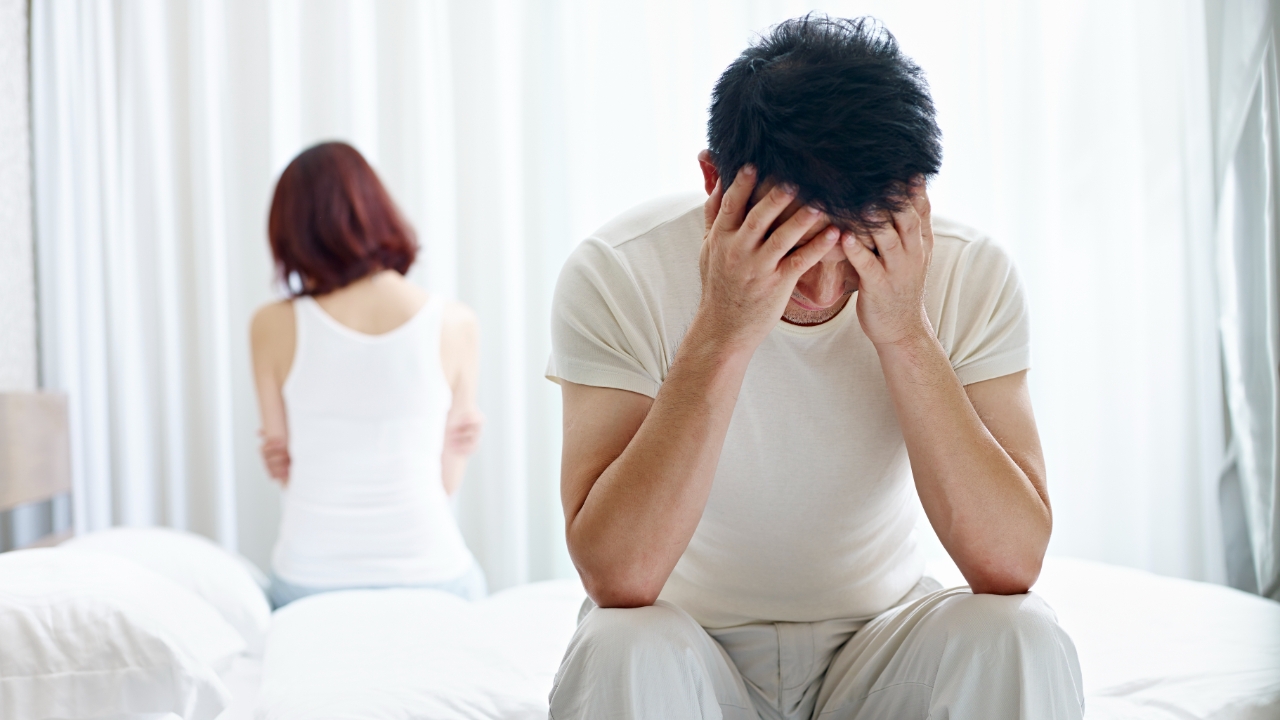
Many people are familiar with the term " male menopause " in women, but did you know that men can also experience male menopause? However, symptoms usually develop gradually, so many think it's just a normal part of aging, when in fact it may be a sign of declining male hormones.
Male menopause refers to the condition where testosterone hormone levels decline with age. Generally, hormone levels start to decrease after age 40, and some men may begin showing clear symptoms between ages 42 and 45. Several factors can trigger this, such as stress, lack of rest, smoking, alcohol consumption, or chronic diseases, leading to physical and psychological changes.
Men experiencing male menopause may have fluctuating moods, irritability, or difficulty controlling emotions. Even minor issues can cause anger or dissatisfaction easily.
They begin to lose interest in things they once enjoyed, feeling sluggish and unenthusiastic about work or activities.Variousthings feel less energizing in daily life.
Many have trouble falling asleep, wake up during the night, or sleep restlessly, resulting in waking up feeling unrefreshed and possibly experiencing daytime fatigue.
With reduced testosterone, metabolism slows down, causing more fat to accumulate around the abdomen, easier weight gain, and loss of muscle mass.

Even without heavy work, they feel drained, weak, or tire more quickly than before, due to decreased hormone levels.
They may feel slower thinking, forgetfulness, reduced ability to focus, or more difficulty making decisions than usual.
Hormonal changes can affect mental health, causing feelings of sadness, anxiety, or hopelessness. Persistent symptoms warrant consulting a doctor.
Common symptoms include reduced sexual desire or performance, which correlate with declining testosterone levels.

If multiple symptoms occur together and affect daily life, such as fatigue, insomnia, mood swings, or sexual dysfunction, they should undergo health checks and testosterone level tests to find the true cause, since these symptoms might also be signs of other diseases. Doctors will consider appropriate treatments, whether lifestyle adjustments, health care, or medication in necessary cases.
Although male menopause is a natural change, self-care is important. This includes regular exercise, eating nutritious food, controlling weight, getting adequate rest, reducing smoking and alcohol consumption, and having regular health check-ups to keep the body strong and minimize long-term effects of declining hormones.