

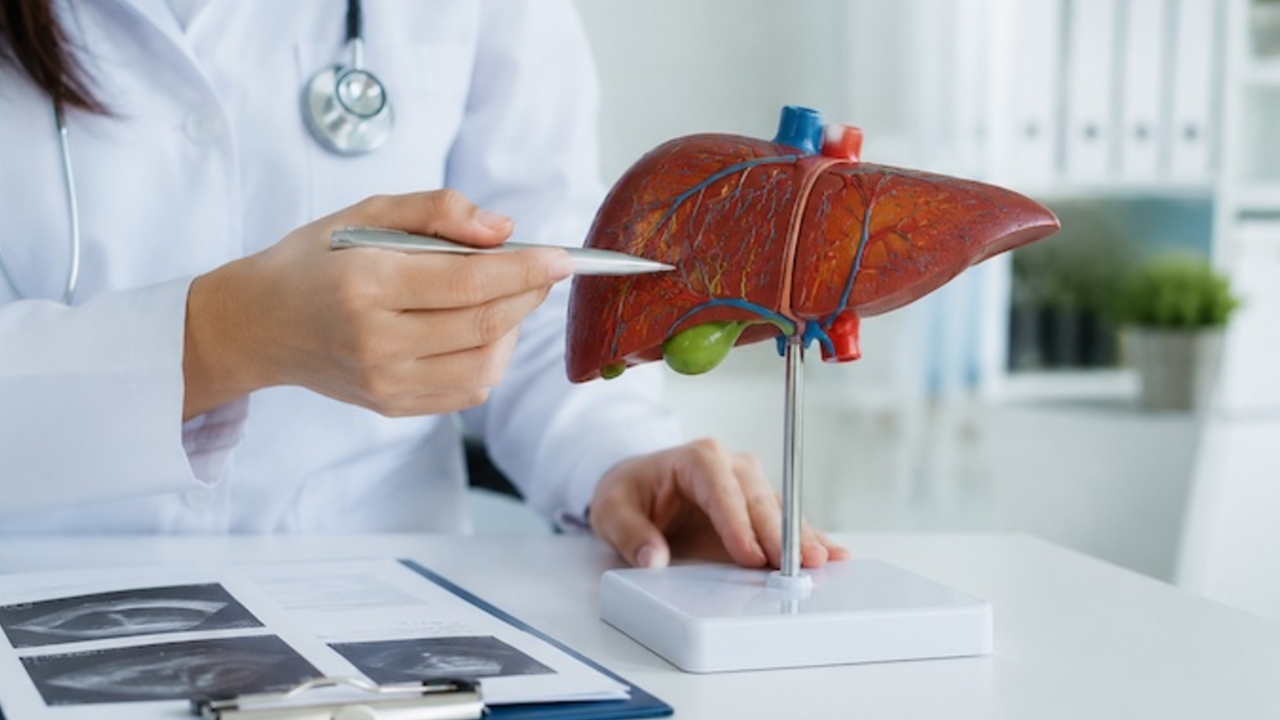
Many people often believe that“liver cancer”is a disease that affects only heavy alcohol drinkers. In reality, many other groups are at risk without realizing it.
Data from the Ministry of Public Health shows liver cancer is the leading cause of death in Thailand, ranking first among men and fourth among women. The concerning issue is that this disease often shows no symptoms in its early stages, so by the time it is detected, it is usually advanced. Understanding the causes and early self-care is therefore very important.
Liver cancer arises when liver cells mutate and multiply abnormally, forming tumors. It does not develop suddenly but gradually from chronic inflammation over a long period. Repeated damage and repair of liver cells increases the chance of cancerous mutations. It most commonly occurs between ages 50 and 70. Notably, men have 2 to 3 times higher risk than women due to higher rates of hepatitis virus infection and alcohol consumption, as well as evidence that male hormones may stimulate cancer cell growth.
Regarding this, Dr. Sawinee Jiriyasin, a gastroenterology and liver specialist at Vimut Hospital, provided interesting information that heavy alcohol consumption is only one of many causes. Important risk factors also include hepatitis B virus infection, the most common in Thais, hepatitis C virus, cirrhosis, genetic diseases, exposure to aflatoxin toxins from moldy food, and a family history of liver cancer.
Additionally, a silent threat for modern people is fatty liver caused by metabolic dysfunction, which increases liver cancer in younger patients. This condition is directly linked to common diseases such as obesity, diabetes, abdominal obesity, frequent sugar consumption, processed foods, and lack of exercise. Many people live normally unaware they are damaging their livers.
Liver cancer is called a silent threat because it usually shows no symptoms early on. Patients are often found incidentally during routine health checks, sometimes already at an advanced stage. Therefore, if warning signs appear—such as loss of appetite, unexplained weight loss, a lump or pain under the right rib cage, yellowing of skin or eyes, or abdominal swelling from fluid accumulation—medical consultation should be sought immediately. For those at risk, doctors recommend liver screening every six months rather than waiting for symptoms.
Early detection leads to high chances of cure.
Currently, accurate diagnostic technologies such as ultrasound, computed tomography (CT Scan), and magnetic resonance imaging (MRI) allow doctors to plan targeted treatment. Treatment options vary depending on disease stage and liver condition, ranging from surgery, thermal ablation of tumors, catheter-based interventions, to targeted drugs and immunotherapy. Detecting the disease early greatly increases chances of a cure.
Finally, Dr. Sawinee shared the following advice: She urged everyone to consider liver care a close-to-home issue—not just for alcohol drinkers—because many seemingly healthy people may unknowingly be at risk. Prevention can start simply by adjusting daily habits such as maintaining a healthy weight, getting vaccinated against hepatitis viruses, avoiding processed foods and alcohol. Those in at-risk groups should undergo regular screening, as early detection is crucial for timely treatment.
Source: Vimut Hospital