

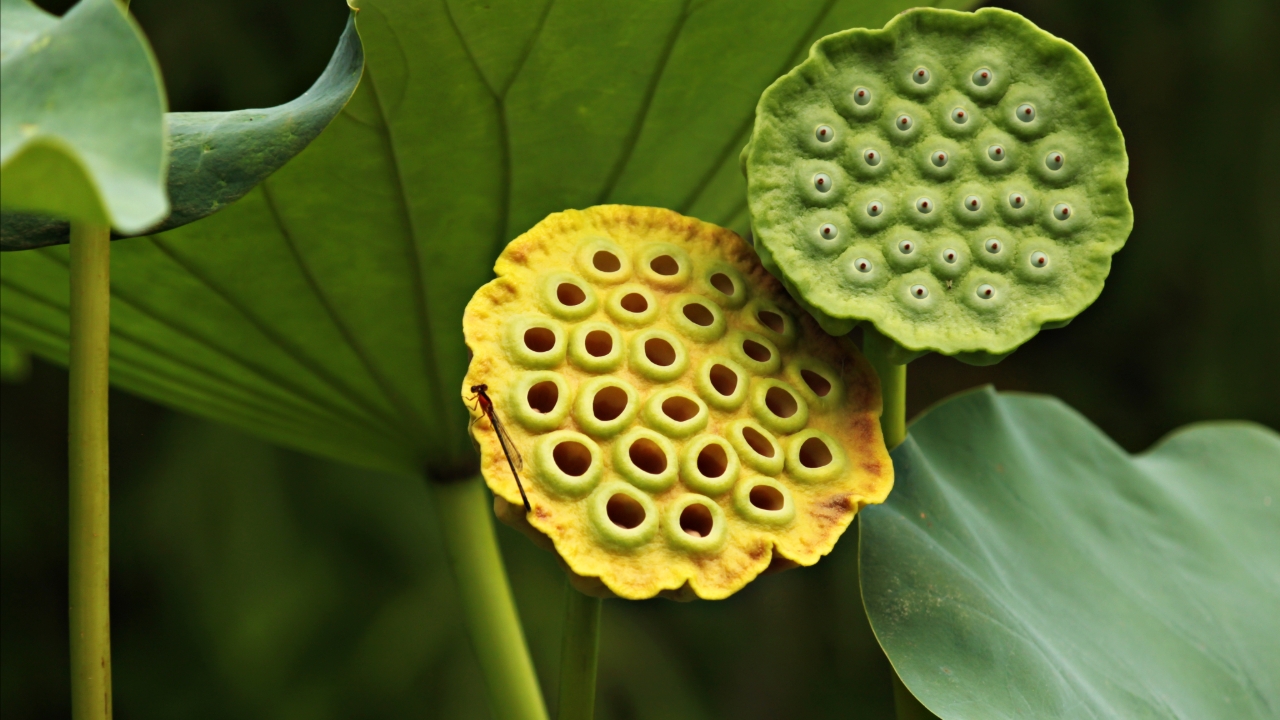
Have you ever felt goosebumps, nausea, or discomfort just by seeing images of honeycombs, lotus seed pods, sponges, or small clustered holes? You might be experiencing a condition called "Trypophobia." This condition is real and affects many people, although some may think it is strange or imagined. Trypophobia is not officially classified as a psychiatric disorder, but some sufferers report that it affects their daily lives.Trypophobiais not recognized as a mental illness, but some individuals feel that the symptoms impact their everyday functioning.
Trypophobia is a condition where sufferers feel intense discomfort, disgust, fear, or anxiety when seeing surfaces covered with many small holes, pits, or circular openings clustered together. Common triggers include

Although the exact cause is unclear, it is hypothesized that the brains of those affected may respond to patterns of many holes similarly to how they perceive potential dangers, such as skin diseases, poisons, or risky objects. This triggers an automatic feeling of disgust or fear. In many cases, the reaction is more of disgust than fear, though some people also experience anxiety.
These symptoms usually appear quickly after exposure to the trigger, and many try to avoid such images or objects to prevent recurrence.

If symptoms are mild and do not interfere with daily life, treatment may not be necessary. However, if the symptoms seriously affect studying, work, or living, consulting a psychiatrist or psychologist is advised. Initial coping strategies include:

Trypophobia causes feelings of disgust, discomfort, nausea, or fear when seeing clusters of small holes or pits. Even though these objects are harmless, those affected genuinely feel uneasy.
If Trypophobia symptoms begin to disrupt daily life, it is important not to ignore or dismiss them but to seek advice from specialists to find appropriate coping strategies and improve quality of life.