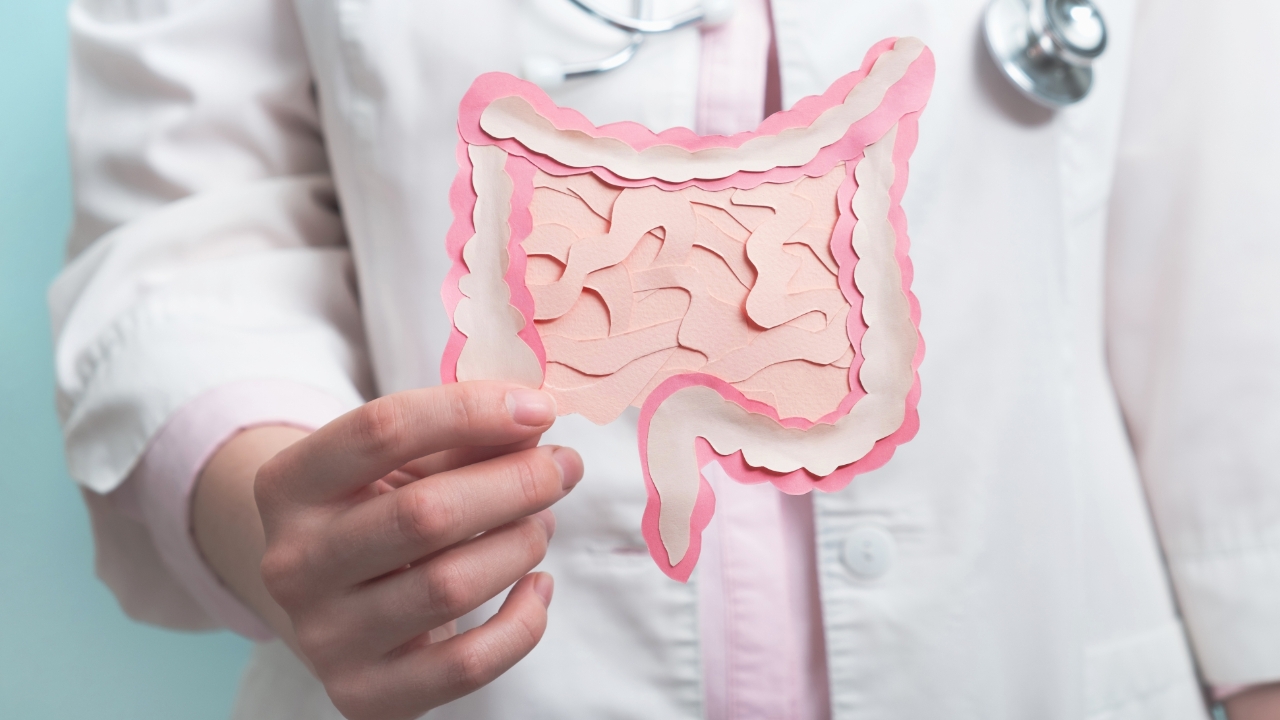
- Microorganisms in the digestive system number up to 5,000 speciesare dividedinto harmful or pathogenic groups and health-promoting groups. An imbalance of microorganisms can sometimes cause bodily abnormalities.
- Diet and food types affect microorganisms. Consistently eating the same foods or junk food may result in insufficient nutrients essential for microorganisms, especially prebiotics, which are important for various microorganisms in the body.
- Gut microbiome testing can analyze over 100 microbial species and assess risks related to nine diseases.
The human body consists of over 100 trillion cells, of which only 30 trillion are human cells. The remaining over 100 trillion are microorganisms that inhabit various parts of the body, including the skin, mouth, vagina, and predominantly the digestive system, especially the intestines, where there are up to 5,000 species.
What do microorganisms consist of?
Microorganisms include bacteria, viruses, fungi, and parasites living in symbiosis. Some help prevent diseases, stimulate metabolism, aid digestion and excretion, produce essential substances, and boost immunity. However, bodily abnormalities can sometimes result from microbial imbalance.
Therefore, scientists study the genetic code of microorganisms, called the microbiome, to identify species, quantity, and relationships between microorganisms and the human organs they inhabit. This helps in health care, disease prediction, treatment selection, and prevention of potential future illnesses.
Benefits of gut microorganisms
Due to the diversity and varying quantities of microorganisms, they play important different roles. Microorganismsare dividedinto two groups:
1. Harmful or pathogenic microorganisms These can cause diseases by producing toxins in the body, which lead to illnesses such as
- Helicobacter pylori,which causesstomach diseases, increasing the risk of ulcers, tumors, and stomach cancer.
- Certain microbes in the colon or gut bacteriaare associated with colorectal cancer, chronic inflammatory bowel disease, as well as contributing to obesity, heart disease, rheumatoid arthritis, fatty liver disease, cirrhosis, and liver cancer.2. Health-promoting microorganisms
These are beneficial microorganisms required by the body, such as Lactobacillus, which inhibits and prevents the growth of pathogenic bacteria,
- Eubacteria and Bifidobacteria, which synthesize nutrients needed by the body, act as a barrier against pathogens, stimulate immune function,
- and assistin digestion and nutrient absorption.If gut microorganisms are imbalanced, it can affect health in the following ways:
- depression or anxiety,
- obesity,
- skin diseases such as eczema,
- cardiovascular diseases,
- diabetes,
- cancer,
- liver disease,
- oral health problems such as tooth decay.
- Gut microbiome testing
Although symptoms like indigestion, mood swings, and skin diseases may indicate microbial imbalance, they can also have other causes. To confirm a link between these symptoms and gut microbial imbalance, analysis of the gut microbiome can be conducted.
examines the balance between beneficial and harmful microorganisms via stool samples analyzed in a laboratory to determine
the density of microorganisms and whether the quantity and diversity are sufficient.
- It assesses if the microorganisms are balanced and
- how the identified microorganisms affect the body.
- If density, diversity, and beneficial functions of microorganisms are imbalanced, it increases disease risk compared to those with balanced microbiomes. This test helps physicians evaluate disease risk and diagnose causes related to gut microbial imbalance, such as irritable bowel syndrome, obesity, diabetes, migraine, anxiety, and depression.
Balancing the gut with probiotics and lifestyle adjustments
Doctors can recommend nutrients to increase beneficial microorganisms, such as probiotics and prebiotics, in foods and supplements, as well as lifestyle changes including sleep and exercise adjustments, as follows:
The International Association of Sleep Disorders (IASD) recommends adults sleep 6-8 hours, as adequate sleep helps the body rest and reduce stress, promoting a healthier gut environment compared to insufficient or poor-quality sleep.
- Exercise regularly for more than 30 minutes per day, 3-5 times a week to strengthen gut immunity, reduce harmful bacterial growth, and increase microbial diversity.
- Reduce consumption of processed meats and ready-to-eat foods.
- Limit spicy, salty, or strongly flavored foods.
- Reduce intake of foods high in fats and carbohydrates.
- Consume probiotics (beneficial microorganisms) along with prebiotics (food for beneficial microorganisms) to enhance immunity and balance gut function. High doses of probiotics at once may cause side effects like bloating, constipation, or diarrhea, so medical consultation is advised for proper dosing.
- Gut microbial imbalance
A healthy microbiome helps build a mucus layer protecting epithelial cells, preventing harmful bacteria from penetrating the intestinal wall. If beneficial bacteria are deficient, this protection is lost, increasing risk of diseases like inflammatory bowel disease (IBD) and irritable bowel syndrome (IBS). Factors like microbial imbalance and antibiotic use can allow pathogenic bacteria to invade epithelial cells, causing inflammation.
This raises the risk of gastrointestinal diseases.Gut microbial imbalance can increase risk of various diseases, including:Malabsorption syndrome
Normally, healthy gut bacteria function well without symptoms.
abdominal surgery, diabetes, scleroderma, or stomach or intestinal resections can disrupt gut bacterial balance,leading to overgrowth of pathogenic bacteria,which can cause malabsorption of fats, carbohydrates, proteins, and vitamin B12.
Clostridium difficile infection (CDI)Normally, secondary bile acid–synthesizing microbes convert primary bile acids to secondary bile acids that inhibit Clostridium difficile growth, preventing toxin release that causes intestinal inflammation and diarrhea. Antibiotics kill both harmful bacteria and these beneficial microbes, so if Clostridium difficile infects the body, it can grow and release toxins causing intestinal inflammation.Inflammatory Bowel Disease (IBD)
Factors associated with IBD include genetics, immunity, and environment (diet). Normally, beneficial bacteria like Bacteroides and Firmicutes have anti-inflammatory effects and produce mucus layers that block pathogens from penetrating the gut.
Genetic or immune abnormalities cause tissue inflammation, reduced bacterial diversity, pathogenic bacteria toxin production, and intestinal inflammation.
Irritable Bowel Syndrome (IBS)
IBS types vary depending on pathogenic bacteria involved. Identifying bacterial species helps target treatment.
Enterobacteriaceae are pathogenic bacteria causing gastrointestinal infections.
Lactobacillus produces acids from fermenting disaccharides, which can cause abdominal pain
- bloating.
- Bacteroides are common in IBS patients with diarrhea symptoms.Bifidobacterium and Faecalibacterium are beneficial bacteria producing anti-inflammatory substances for the gut.Obesity and Metabolic Syndrome
- Obesity involves excessive body fat, especially visceral fat, which triggers systemic inflammation leading to insulin resistance
- and
increases risk of diabetes.
Christensenellaceae bacteria help balance gut flora, preventing visceral fat accumulation, high blood lipids, metabolic syndrome, and diabetes. Obese individuals have fewer Akkermansia muciniphila bacteria,which is associated with weight loss. This bacteria stimulates mucus production,strengthening
the intestinal wall and reducing gut inflammation.Cardiovascular disease associated with meat intakeBifidobacterium and Dehalobacterium promote production of beneficial nutrients.However, consuming red meat high in phosphatidylcholine along with harmful bacteria like Clostridiaceae and Neisseriaceae converts trimethylamine (TMA) into trimethylamine N-oxide (TMAO) in the liver, which is a major risk factor for cardiovascular disease.Gut bacterial balance testing helps preliminarily assess cardiovascular risk related to red meat consumption.
Research shows patients with colon polyps have Fusobacterium levels 415 times higher than normal. Fusobacterium suppresses cancer-fighting immune responses by inhibiting natural killer (NK) cells, a type of white blood cell critical to innate immunity.
Gut microorganisms help ferment certain fibers indigestible by the body, producing metabolites called short-chain fatty acids (SCFAs) that stimulate beta cells in the pancreas,
which synthesize and secrete insulin, reducing insulin resistance
lowering blood inflammation and leaky gut syndrome, another cause of systemic inflammation.
Bacteria with these properties include Bifidobacterium, Roseburia spp., and Faecalibacterium prausnitzii.Microbial differences across agesEach age group has distinct microbiota patterns.The prenatal stage is sterile; microbial signals passed from the mother to the fetus depend on the mother's microbiota influenced by stress, medication, or diet, affecting the child as well.The birth route is the first exposure for newborns to various microbes.
- Vaginal delivery exposes infants to more Lactobacillus bacteria than cesarean section.- Cesarean section increases Staphylococcus bacteria.Breastfed infants have increased beneficial Bifidobacterium and Lactobacillus.
Formula-fed infants have increased Bacteroides and Clostridium.
Starting adult foods and antibiotic use alter microbial species and diversity.
- Diet and food types clearly affect microbiota. Eating repetitive or junk foods may cause insufficient nutrients for microbes, especially prebiotics essential for various microorganisms.
- Exercise and geography also influence microbiota. Habitats relate to foods promoting beneficial bacteria, such as kimchi, fermented fish sauce, and natto, more common than in Europe.
- Warning signs of gut microbial imbalance include:
Gastrointestinal symptoms or irritable bowel syndrome like bloating, indigestion, nausea, vomiting, diarrhea, or constipation.
Migraines or insomnia.
- Inflammatory acne.Recurring allergic rashes.Asthma.
- Poor metabolism.Risk of anxiety, depression, obesity, type 2 diabetes, and Alzheimer's disease.Bad breath.
- Mucus in stool.
- Long-term antibiotic use.
Carbohydrate intolerance.
- Chronic fatigue.
- Regular antacid use.
- Nasal congestion.
- ** Having at least five of these symptoms may indicate microbial imbalance in the body. **
- Advantages of Next Generation Sequencing (NGS) testing
- It can identify over 100 microbial species, providing data for patient care.
- It compares pathogenic and beneficial bacteria to identify present species.
- It analyzes risk related to nine diseases: obesity, irritable bowel syndrome, diabetes, high cholesterol, cardiovascular disease linked to meat intake, colon polyps, depression, rheumatoid arthritis, and age-related macular degeneration.
- Preparation for gut microbiome testing
- No need to fast before testing.Avoid antibiotics for about three days before the test.
- Maintaining gut microbial balance is essential to support health and
- reduce disease risk. It is recommended to eat clean, nutritious food free of contaminants, minimize antibiotic use, and use them only when necessary.
- Increase intake of foods high in probiotics and prebiotics, and undergo gut microbiome testing every six months after lifestyle changes or medical advice, since microbial patterns can change with varying factors.
- Information by
: Dr. Jittakhe Thepchatree, specialist in preventive medicine,
Samitivej Sukhumvit Hospital