

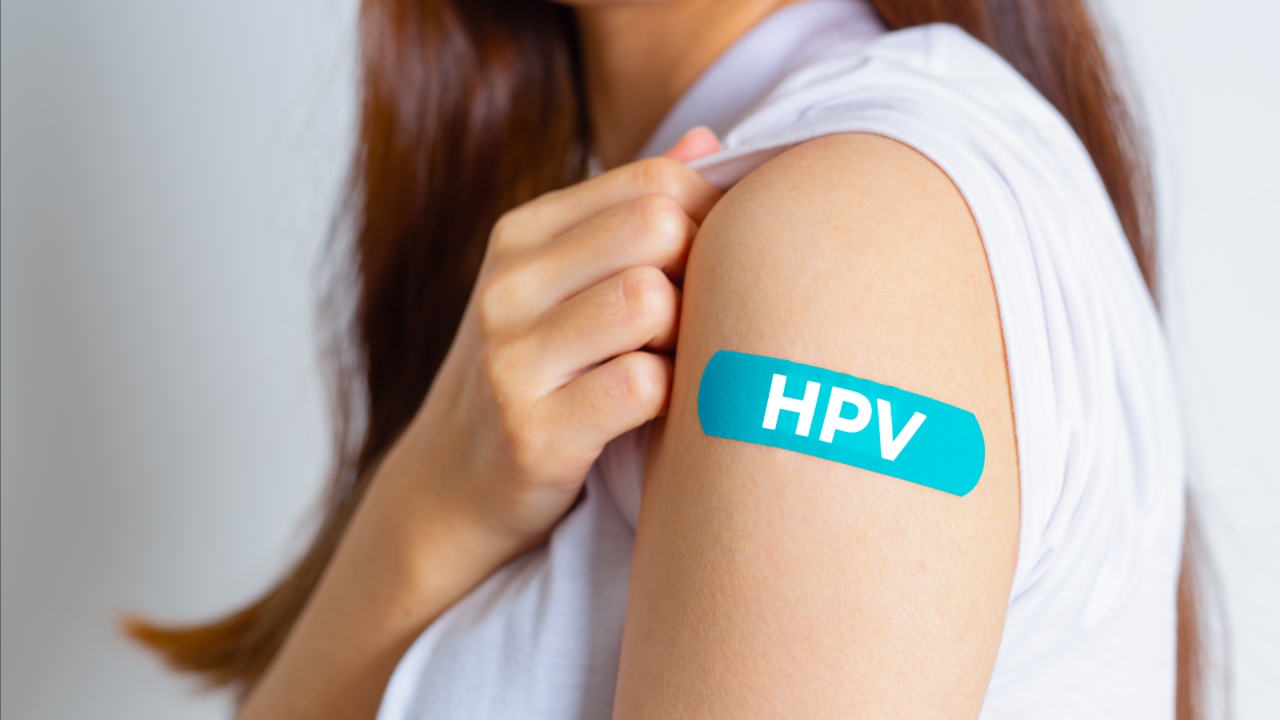
Many believe that singles or those who have not yet had sexual intercourse do not need to receive the HPV vaccine. However, in reality, preventing disease before any risk occurs is the most effective way to reduce the chance of HPV infection. Even if you currently have no sexual partners, risks may arise when relationships develop in the future. Getting the HPV vaccine builds immunity in advance to protect long-term health. This article will help you understand why singles should not overlook the HPV vaccine and who should receive it for effective prevention.
Human papillomavirus (HPV) includes over 100 strains, with about 14 classified as high-risk strains that can cause serious cancers such as cervical, oral and throat, anal, or genital cancers.
Even if you currently have no sexual partner, it does not mean you are safe from HPV because
1. Easy transmission
HPV infection can occur even after a single sexual encounter or through skin contact in the genital area. Although rare, sharing personal items contaminated with the virus, like towels, can also be a risk factor. However, most cases result from sexual contact.
2. Latent infection
HPV can remain dormant in the body for years without symptoms. Infected individuals may unknowingly spread the virus to others and are often diagnosed only after serious health problems develop.
3. Future risk
If you have a sexual partner in the future, whether short-term or long-term, the risk of infection increases immediately.Vaccinationbefore becoming sexually active or before the first sexual partner offers the highest protective effectiveness.

Prevention is the best way to maintain your health and avoid HPV andthe subsequent risk of cancer.Vaccination against HPVis the most important primary prevention method. Currently, the 9-valent HPV vaccine (Gardasil 9) can reducethe risk from HPV strainsthatcause cancerand genital warts by up to 90% or more. Alongside vaccination, personal care such as maintaining cleanliness, regular hand washing, and avoiding sharing personal items with others is recommended. Although these carry a very low risk compared to sexual contact, they remain good hygiene practices. Additionally,regular cervical cancer screening (Pap smear/HPV DNA test) as advised by your doctor should be done even if you have no symptoms.Who should getthe HPV vaccine?

Singles should consider getting the HPV vaccine because it is not only for "those with sexual partners" but also to prevent infection before future exposure, which benefits even those without a partner or sexual experience. Therefore,do not wait until health problems arise before protecting yourself. The HPV vaccine is a worthwhile investment for long-term health and reducing the risk of cervical cancer.Information provided byDr. Panurak Ketphong, Obstetrician-Gynecologist, Gynecologic Oncology Specialist, Department of Obstetrics and Gynecology, Paolo Kaset Hospital.