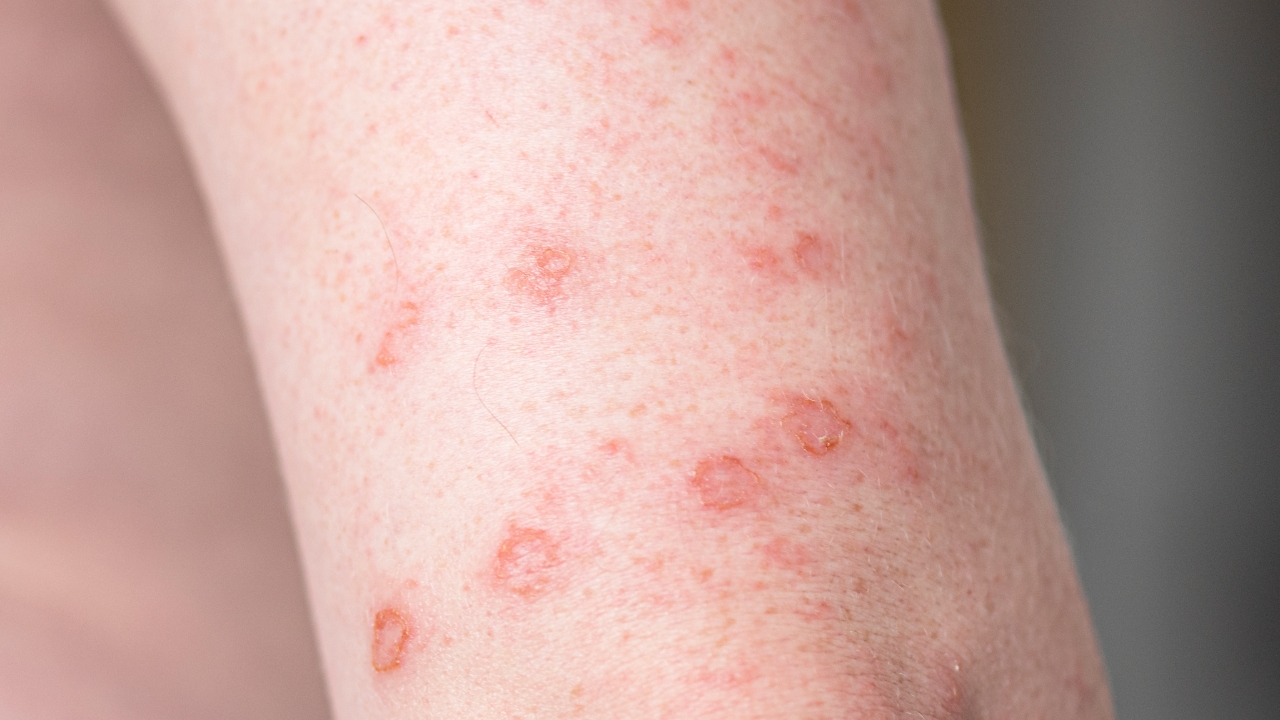
Although HIV infection has always been a major societal concern, when unusual symptoms appear on the body, especially a " rash " many people become worried and start searching for information about " what HIV rashes look like " since rash can be an early warning sign of infection.
However, a rash alone cannot confirm HIV infection because similar rashes may result from other causes, such as drug allergies, other viral infections, or common skin conditions. If a rash occurs along with risky behavior, blood testing is the only reliable way to confirm diagnosis.
Understanding " HIV " and how it differs from " AIDS " HIV
(Human Immunodeficiency Virus) is a virus that attacks the body's immune system, particularly CD4 white blood cells that protect against infections. Without treatment, ongoing immune destruction leads to AIDS (Acquired Immunodeficiency Syndrome), the stage vulnerable to opportunistic infections and serious illnesses. ,
Be aware! How is HIV transmitted?
HIV is transmitted through contact with certain bodily fluids containing enough virus, including blood, semen, vaginal secretions, rectal fluids, and breast milk, with main transmission routes as follows: Unprotected sexual intercourse,
- including vaginal and anal sex, as well as oral sex which may carry risk especially if sores or bleeding are present. Sharing needles or equipment contaminated with blood,
- such as shared syringes for drug injection. Receiving contaminated blood or blood products,
- though this is very rare nowadays due to strict blood screening. Mother-to-child transmission,
- occurring during pregnancy, childbirth, or breastfeeding if proper treatment and care are not provided. Recognizing the stages of HIV and what to watch for
Stage 1: Acute HIV Infection
Occurs 2-4 weeks after infection. Many experience flu-like symptoms including fever, sore throat, headache, muscle aches, swollen lymph nodes, night sweats, and a red rash. Symptoms usually last 2-3 weeks then gradually improve.
Stage 2: Clinical Latency (Asymptomatic Phase)
After initial symptoms resolve, most enter a stage with few or no symptoms that can last 5-10 years. Though appearing healthy, HIV continues to replicate and damage the immune system, and can still be transmitted if untreated.
Severe immune system damage increases risk of opportunistic infections and serious illnesses. Symptoms may include significant weight loss, persistent fever, chronic diarrhea, prolonged cough, fatigue, mouth sores, skin rashes or bumps, and infections related to immune deficiency.
" What does the early-stage HIV rash look like? " The HIV rash usually appears during the acute infection phase, around 2-4 weeks after exposure, though timing may vary slightly. It reflects the body's response to the virus. Typical rash features include: Small red or pink spots
scattered in multiple areas, not localized to one spot. Common locations include the torso, chest, back, neck, arms, and sometimes the face.
- Some experience mild itching, while many do not itch at all.
- The rash often occurs alongside flu-like symptoms such as fever, sore throat, muscle aches, swollen lymph nodes, and fatigue.
- Many wonder,
- Where on the body does the HIV rash usually appear?
- It can appear in many places but commonly on the chest, back, torso, neck, arms, and face. Rash characteristics and locations vary by individual, so location alone cannot diagnose HIV.
Does the HIV rash itch? Not everyone experiences the same symptoms; some have mild itching while others have none. Therefore, presence or absence of itchiness cannot confirm whether a rash is HIV-related. Other symptoms, risk history, and lab tests must be considered. When should you get tested for HIV if you have a rash?
Blood testing is the only definitive way to confirm HIV infection. Observing symptoms or rash alone is insufficient. If a rash occurs with the following symptoms and recent risk exposure, see a doctor promptly for consultation and testing:
- Body aches,
- Unusual fatigue,
- History of risky behavior such as unprotected sex or blood exposure.
- How to prevent HIV infection and AIDS
- Effective prevention includes consistent condom use during sex, avoiding sharing needles, regular HIV testing for those at risk, and using pre-exposure prophylaxis (PrEP) and post-exposure prophylaxis (PEP) as medically advised.
- Currently, antiretroviral therapy is highly effective. Early diagnosis and consistent medication enable people living with HIV to live near-normal lives and greatly reduce transmission risk.