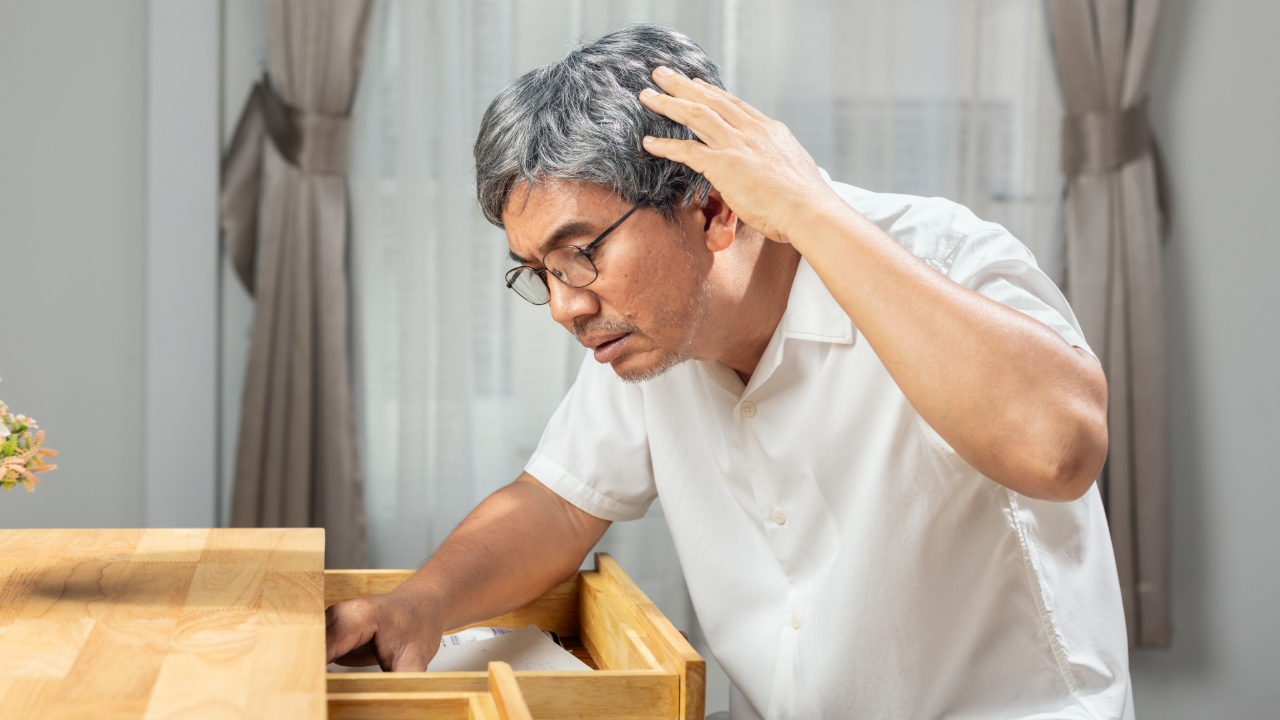
- Dementia is a syndrome caused by diseases or abnormalities that damage brain cells, resulting in declines in memory, thinking, decision-making, language use, or daily activities beyond what is expected for normal aging. However, dementia is not an inevitable part of aging. The World Health Organization emphasizes that managing modifiable risk factors such as exercise, controlling chronic illnesses, adequate sleep, mental health, hearing, and visionand social engagementregularly can help reduce risk and slow brain decline.
- When hearing declines, the brain must work harder to interpret sounds, leading older adults to withdraw socially. The World Health Organization recommends hearing assessments and the use of hearing aids to reduce dementia risk.
Dementia is a syndrome caused by abnormalities or brain cell damage from various causes, leading to declines in memory, thinking, decision-making, language, attention, and daily functioning beyond normal aging. Alzheimer's disease is the most common form of dementia, accounting for 60-70% of cases.
Comparing Normal Age-Related Forgetfulness with Dementia Warning Signs
1. Normal Age-Related Forgetfulness
- Occasionally misplacing house keys or glasses.
- Occasionally forgetting a person's name or a word but recalling it later.
- Forgetting some past events but remembering important daily life events.
- Still able to perform complex daily tasks such as cooking or handling money normally.
2. Dementia Warning Signs (Seek Medical Advice)
- Declining short-term memory, repeatedly forgetting recent events or asking the same questions within a short time.
- Confusion about time and place, getting lost on familiar routes, not knowing the date, or confusing seasons.
- Increasing language difficulties, frequently using words incorrectly, struggling to find basic words, and difficulty communicating.
- Reduced planning and decision-making skills, unable to perform familiar tasks such as following recipes or managing bills correctly.
- Changes in personality, mood, and behavior such as depression, anxiety, irritability, paranoia, or social withdrawal.
Can Dementia Be Prevented?
Although there is currently no way to prevent dementia entirely, the latest World Health Organization guidelines state that risk can be reduced or onset delayed by managing modifiable daily risk factors such as exercise, controllingchronic diseases, getting enough sleep,caring formental health,hearing, vision, and maintaining social connections.
Why Start Brain Care Before Symptoms Appear?
Brain changes often begin decades before memory symptoms appear. Changing behaviors and controlling chronic illnesses during midlife is the most critical period to build cognitive reserve to protect brain cells long-term.
How to Stay Dementia-Free: Four Pillars from the World Health Organization
The WHO emphasizes that dementia prevention requires a multidomain intervention—systematic management of multiple risk factors across life stages as follows:
Pillar 1: Lifestyle and Behavioral Modifications
- Increases cerebral blood flow, stimulates production of neurotrophic factors, and reduces vascular inflammation.
- Adults should engage in moderate-intensity aerobic exercise for at least 150 minutes per week, such as brisk walking, cycling, or swimming.
- Older adultsshould also include muscle strengtheningand balance exercises like single-leg stands, chair rises, balance walking, or resistance training 2–3 days weekly to reduce fall and head injury risks, important dementia risk factors.
2. Cognitive Stimulation and Learning
- Engage in new learning and varied activities such asreading,playing card or board games, crafts, trying new recipes, or learning new technologies to stimulate brain function and strengthen neural connections.
- Cognitive training involves structured exercises targeting memory, attention, planning, and problem-solving, especially helpful for those with mild cognitive impairment (MCI).
3. Regular Social Engagement
- Conversing, meeting friends, volunteering, or group activities reduce loneliness, depression risk, and stimulate brain function through communication.
4. Avoid Smoking and Alcohol
- Quit smoking as it damages blood vessels, increasing stroke and dementia risks; quitting clearly reduces risk.
- Avoid or limit alcohol since WHO states no safe drinking level for the brain; heavy or regular drinking directly harms brain tissue.
Pillar 2: Nutrition and Sleep
- Recommend natural diets like the Mediterranean-like or MIND diet emphasizinggreen leafy vegetables,berries, whole grains, nuts, fatty fish such as mackerel and salmon, and olive oil.
- Avoid processed foods, fried items, sweets, and salty foods that increase hypertension, diabetes, dyslipidemia, and vascular disease risks.
- Currently, there is insufficient medical evidenceto confirmthat vitamin B, vitamin E, Omega-3, or multivitamin supplements prevent dementia or Alzheimer's in individuals with normal vitamin levels.
- Therefore, vitamin supplements are not recommended solely for dementia prevention; focus should be on balanced nutrition from natural foods like vegetables, fruits, nuts, and fish (unless vitamin deficiency is diagnosed and supplementation prescribed by a doctor).
3. Quality Sleep and Rest
- Sleep allows the brain to clearwaste products and residual proteins such as Amyloid-beta.Adults should achieve 7–9 hours of quality sleep nightly.
- If experiencing loud snoring, frequent awakenings, unrefreshing sleep,
- or abnormal daytime sleepiness,a sleep study is advised to identify causes, especially obstructive sleep apnea..
Pillar 3: Managing Chronic Diseases and Sensory Health
1. Control of Hypertension, Diabetes, and Cholesterol
- High blood pressure, diabetes, and elevated LDL cholesterol cause brain blood vessel narrowing and hardening,leading to vascular dementia.Regular health checks to keep blood pressure, HbA1c, and lipid levels within targets are essential.
- 2. Weight Management in Midlife
3. Midlife central obesity may cause chronic inflammation and metabolic dysfunction,
increasing heart disease, vascular disease, and dementia risks. Maintaining appropriate weight, BMI, and waist circumference is important. Hearingand Vision CareHearing loss forces the brain to work harder interpreting sounds, leading to social withdrawal in older adults. The WHO recommends hearing checks and hearing aids to reduce dementia risk.
- Vision health requires regular eye exams and treatment of conditions like cataracts, glaucoma, or diabetic retinopathy to support daily living and social activities.
- Pillar 4: Reducing Air Pollution Exposure
Research confirms fine particulate matter (PM2.5) can enter the bloodstream and brain via respiration, causing neuroinflammation. Use masks or air purifiers when pollution levels are high.
Avoid smoke from biomass cooking fuels, incense, or tobacco indoors.
- Dementia Assessment Procedures
Dementia assessment requires multifaceted evaluation of symptoms, memory, daily living, chronic diseases, medications, and blood tests to distinguish true dementia from other causes of memory problems such as depression, insomnia, thyroid disorders, vitamin B12 deficiency, or medication side effects.
History taking to determine onset, progression, and impact on daily life such as missed medications, appointments, financial errors, getting lost, or repetitive questioning.
- Informant interviews with family or caregivers to reveal changes in memory, mood, behavior, and function, improving diagnostic accuracy.
- Cognitive tests assessing memory, clock drawing, calculation, language, planning, and attention to evaluate brain function decline.
- Evaluation of daily activities to see if the patient can still cook, use phones, pay bills, travel, take medications, bathe, and dress independently.
- Physical and neurological exams to assess gait, balance, muscle strength, reflexes, sensation, Parkinsonism signs, or stroke indicators.
- Blood tests to identify treatable causes like thyroid hormone deficiency, vitamin B12 deficiency, anemia, electrolyte imbalances, or liver and kidney dysfunction.
- Medication review to check for drugs that may cause drowsiness, confusion, or memory impairment such as sedatives, anxiolytics, older antihistamines, or certain painkillers.
- Brain imaging using CT or MRI scans
- helps identify brain abnormalities causing memory loss such as atrophy, vascular lesions, tumors, hemorrhages, or normal pressure hydrocephalus (NPH), which is surgically treatable in some patients.Specialized tests like PET scansor in some cases,
- assessment of Amyloid-beta or Tau protein levels in blood or cerebrospinal fluid, or ApoE gene testing, may assist early Alzheimer's diagnosis and risk evaluation.How Is Dementia Treated?The primary goals of dementia treatment are not only memory support but also slowing brain decline, managing behavioral and emotional symptoms, and maximizing patients' quality of life.
For Alzheimer's or some dementia types, doctors may prescribe drugs to regulate brain neurotransmitters.
Medications do not restore brain cells or cure the disease but help support memory, attention, thinking, and prolong ability to perform daily tasks.
- 2. Non-Pharmacological Care
- Cognitive stimulation and rehabilitation through group therapy, music therapy, art therapy, or tailored brain exercises suited to patient ability level.
Environmental modifications to enhance safety, such as adequate lighting, installing grab bars in bathrooms, securing wires and rugs to prevent falls and head injuries, key dementia risk factors.
- Establishing consistent daily routines using calendars, large clocks, notebooks, or reminder signs to reduce confusion, anxiety, and build patient confidence.
- 3. Emotional and Behavioral Care
- For symptoms like irritability, aggression, depression, or hallucinations, always seek triggering causes such as pain, urinary tract infections, sleep deprivation, or noisy environment first.
Focus on adjusting the environment and caregiver behavior before considering psychotropic medications.
- Information provided by Dr. Suwana Srirattanawong, Internal Medicine Specialist in Geriatrics, License No. 41869,
- Samitivej Srinakarin Hospital.