

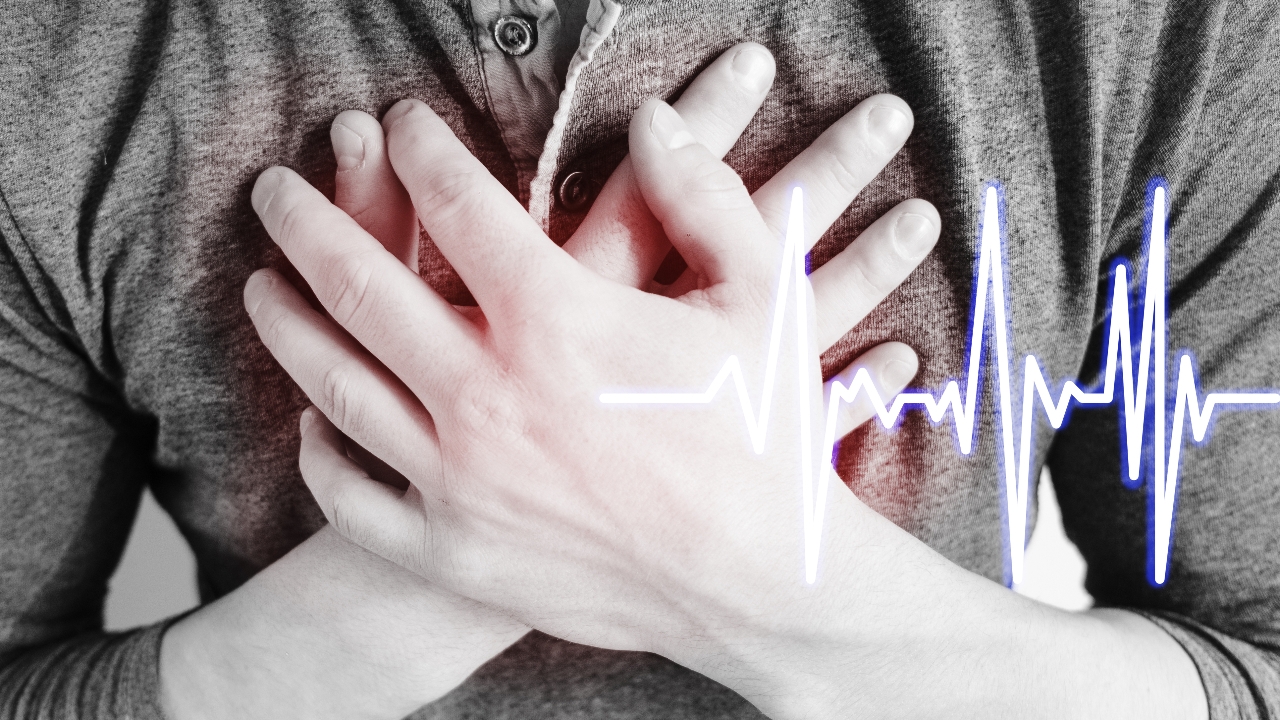
Have you ever heard about someone you know or someone who seemed healthy suddenly fainting? Some are fortunate to receive timely help, but others tragically lose their lives. The issue of sudden fainting or loss of consciousnessis sudden.This is not only a concern for the elderly; young people and health-conscious individuals are also at risk. Thairath Online explores the causes of these symptoms, the silent diseases behind them, and how to properly observe and prevent them.
Loss of consciousness is a temporary state where the body loses awareness and balance due to insufficient blood flow to the brain. Most patients regain consciousness quickly, but in severe cases caused by critical complications such as sudden cardiac arrest, it can lead to sudden death if not promptly treated.
Fainting and sudden collapse can arise from various causes, categorized into the following main groups:


Observed warning signs | Suspected diseases or causes | Danger level | Initial response |
Chest tightness, feeling pressure or pain radiating to shoulder/arm | Myocardial ischemia | Most dangerous | Call 1669 immediately Prepare for CPR |
Facial drooping, slurred speech Weakness on one side of the body | Stroke | Very dangerous | Urgently transport to hospital as quickly as possible |
Dizziness Lightheadedness when standing up | Temporary low blood pressure | Low to moderate | Sit and rest, lie down flat Rise slowly |
Shortness of breath, sweating Cold body, trembling hands | Low blood sugar | Moderate to severe | If conscious, drink sweet fluids or sip water |
If you or someone close to you experiences these symptoms, see a doctor immediately even if consciousness is not lost:

The body often sends subtle warning signs. Not ignoring these and regularly monitoring health are the key to preventing loss from this silent threat.
References: Department of Medical Services, Ministry of Public Health; The Cardiac Society of Thailand under Royal Patronage; National Institute for Emergency Medicine; American Heart Association (AHA)