

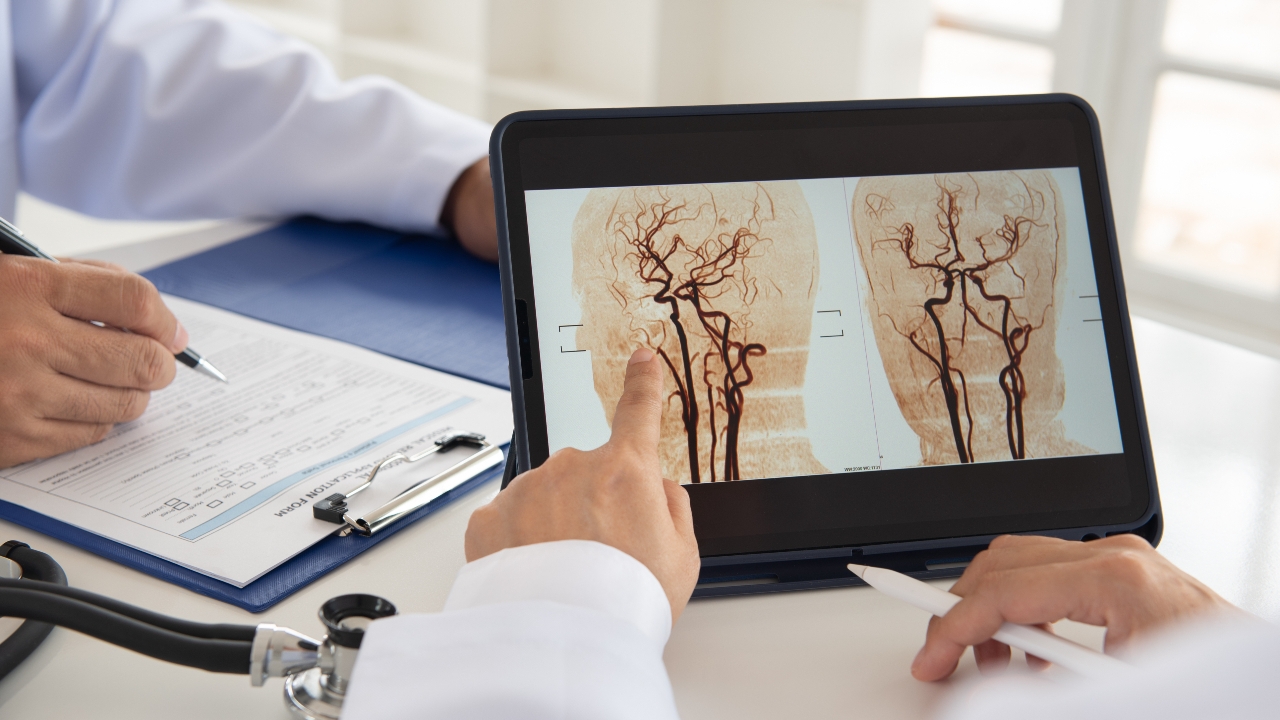
When you go for a health check-up and hear the doctor say" lesion detected "many people might immediately worry and ask what it means and how serious it is—especially if it concerns cardiovascular and cerebrovascular lesions a medical term often associated with an unexpected silent threat. Let's clarify exactly what this type of lesion is and why it differs from the common lesions we usually know.
In medical terms, the word"lesion"refers to an abnormality, damaged tissue, or wound occurring in any part of the body. It may result from infection, inflammation, age-related degeneration, or injury, ranging from harmless to conditions requiring urgent treatment.
Cardiovascular and cerebrovascular lesions refer to abnormalities specifically occurring in the"blood vessels"that supply the heart and brain, or damage to the heart and brain tissue caused by defective blood vessels.

Comparison topic | General lesions | Cardiovascular and cerebrovascular lesions Location found |
Can occur anywhere—skin, stomach, muscles | Restricted to blood vessels, heart, and brain tissue | Main causes |
Bacteria, viruses, abrasions, localized inflammation | Fatty deposits, high blood pressure, blood clots, vessel degeneration | Visibility/touch |
Usually visible (bumps, rashes, wounds) or palpable | Not visible to the naked eye; requires medical imaging like MRI, CT scan, or angiography | Urgency level |
Ranges from harmless to urgent (e.g., allergic rash, mouth ulcers) | Highly dangerous and critical; risk of stroke, paralysis, or sudden death | Symptoms |
Often localized symptoms like pain, burning, itching, or pus | May have no symptoms (silent threat) until blockage or rupture occurs | Warning signs not to ignore |
1. Brain warning signs (BE FAST method)

"cardiovascular and cerebrovascular lesions " can be identified early through annual health check-ups, which offer a golden opportunity to prevent serious disease. These lesions can be managed and controlled with medication and lifestyle changes. By managing blood pressure, cholesterol, blood sugar, exercising regularly, and avoiding smoking, you can lower the risk of these lesions progressing to sudden vessel blockage.References: Department of Medical Services, Ministry of Public Health; Neurological Institute; Cardiac Society of Thailand under Royal Patronage; American Heart Association / American Stroke Association (AHA/ASA)
Related news:
Clearing up the confusion about 'lesions': easy self-checks and warning signs requiring medical attention