

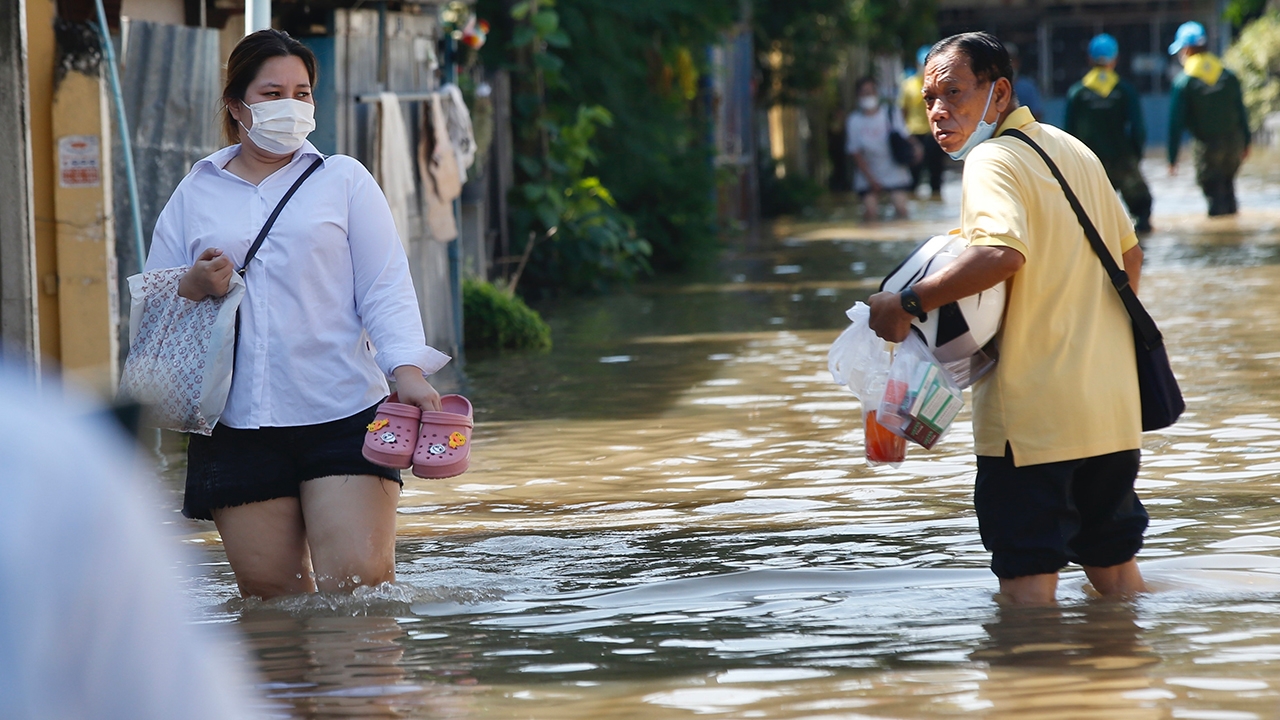
Entering the rainy season during which many areas face the 2026 flood crisis, the main concern is "diseases associated with flooding." Check the symptoms of five common diseases and simple prevention methods to keep every family member safe.
The flood situation in 2026 has affected many areas nationwide. Besides property damage, health problems are important issues not to be overlooked. When floodwater remains stagnant for long periods, it begins to decay and becomes a breeding ground for pathogens. Walking through or soaking in such water for extended periods increases the risk of illness.
Several diseases commonly spread during floods or heavy rains. People should understand their symptoms and proper prevention methods as follows.

Caused by fungi that thrive in moist environments, usually occurring when feet are soaked or exposed to water for a long time.
Symptoms
Itching between toes, peeling skin, or rash. If untreated, it may spread to the soles and nails.
Prevention
Avoid prolonged soaking in water. If wading through water is necessary, wear boots and thoroughly wash and dry feet immediately afterward.
A common infectious disease of the digestive tract caused by viruses or bacteria contaminated in floodwaters.
Symptoms
Loose stools three or more times a day or at least one occurrence of bloody mucus in stool.
Prevention
Drink clean or bottled water. If using floodwater, boil it first. Wash hands thoroughly before eating and after defecation, and avoid defecating directly into water sources.

A contagious viral infection that spreads easily. While not life-threatening, it can cause complications if not treated promptly.
Symptoms
Eye irritation, tearing, and discharge. Symptoms typically last about 10 days.
Prevention
Do not rub eyes with dirty hands, avoid contact with infected individuals, and avoid bathing in contaminated water.
Leptospira bacteria contaminate stagnant water and can enter the human body through wounds, abrasions, or mucous membranes (eyes, mouth, nose).
Symptoms
About 10 days after exposure, severe headaches (especially forehead or behind the eyes), intense calf and thigh muscle pain, high fever with chills, and sometimes red eyes appear.
Prevention
Avoid wading in water possibly contaminated with animal urine. Wear boots if necessary. Shower and clean the body immediately after exposure. If suspicious symptoms arise, do not self-medicate; see a doctor promptly.
Loss of property and difficult living conditions directly affect mental health.
Symptoms
Anxiety, insomnia, inability to perform daily activities normally.
Coping methods
Monitor your own and others' emotions. If severe stress disrupts daily life, consult a doctor or psychiatrist for appropriate advice and treatment.
Diseases associated with the 2026 floods and rainy season These can be prevented by adopting hygienic lifestyle habits, avoiding direct contact with dirty water, and maintaining personal cleanliness. However, if abnormal symptoms appear after exposure to floodwater, do not take them lightly; avoid self-medicating and seek medical diagnosis promptly.
Read related articles