

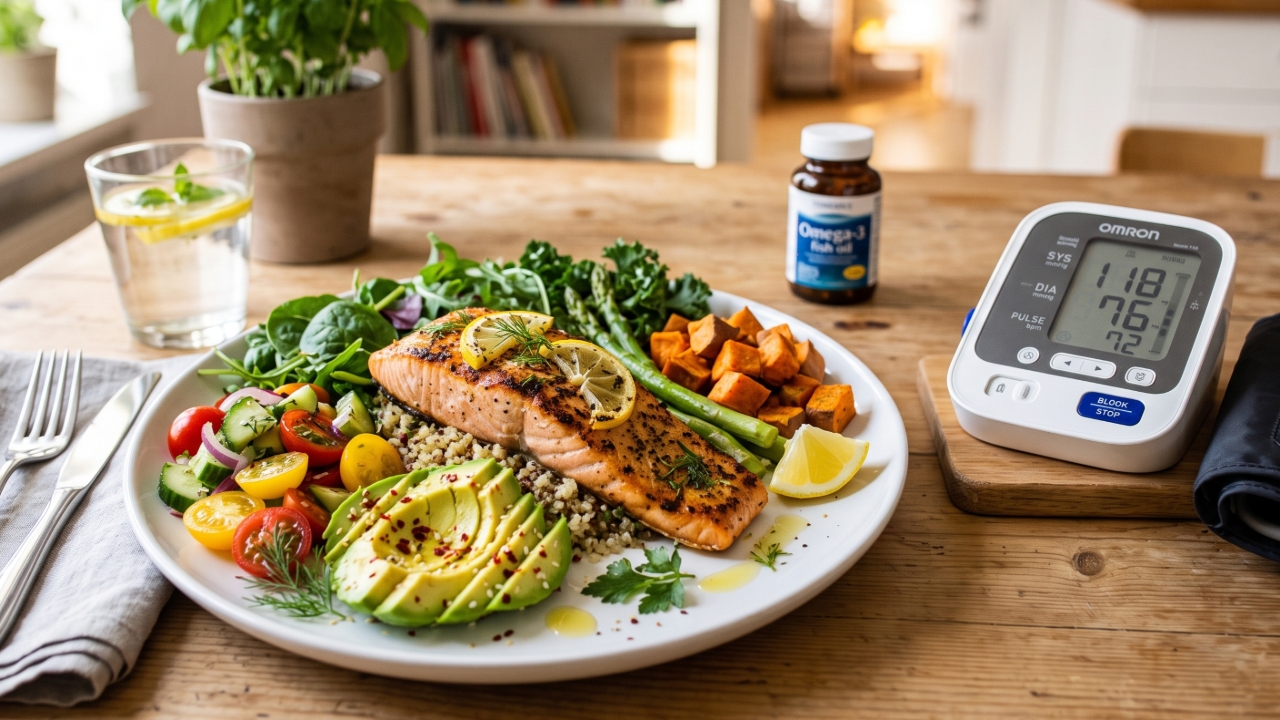
Here are 5 simple eating tips to help lower blood fats and cholesterol, preventing coronary artery disease without giving up delicious foods. Just adjust your habits, and your heart can become stronger every day!
Many people mistakenly believe that "reducing fat" or maintaining a healthy heart means completely cutting out enjoyable foods, which can cause discouragement and giving up early. In reality, coronary artery disease caused by fat and plaque buildup in blood vessels can be prevented and reversed simply by smartly changing eating habits, without enduring hunger or eating bland food.
Let's explore 5 practical, simple plate adjustments you can make daily to enjoy your favorite meals as usual while regaining a strong heart.
Reducing fat doesn't mean eliminating fat entirely, since the body still needs fats to produce hormones and absorb vitamins. What matters is changing the type of fat consumed.
Soluble fiber acts like a “sponge” that traps cholesterol and digestive juices, helping to expel them, reducing fat absorption into the bloodstream.
No need to eliminate carbohydrates, but balance your plate to control energy and fat intake.

Many focus only on fats but forget that excess sugar is converted by the liver into triglycerides, which can accumulate in blood vessels.
If you want to eat shabu, grilled pork, or fried favorites, you don’t have to socially isolate yourself and stress. Instead, practice mindful eating.
Food type | Avoid or reduce | Choose instead |
Cooking oils | Palm oil, real butter, margarine | Rice bran oil, olive oil, canola oil |
Meats | Crispy pork, fatty cuts, sausages | Freshwater/marine fish, skinless chicken breast, tofu |
Snacks | French fries, pastries, cookies | Roasted almonds (unsalted), low-sugar fruits |
Beverages | Fully sweetened bubble tea, soda | Unsweetened green tea, black coffee, water |
Make small daily eating adjustments without excessive stress because the key to long-term fat reduction is consistency you can enjoy every day. This will significantly lower the risk of coronary artery disease and clearly improve heart health.
References: Department of Medical Services, Ministry of Public Health; The Cardiac Society of Thailand Under the Royal Patronage; American Heart Association (AHA)