

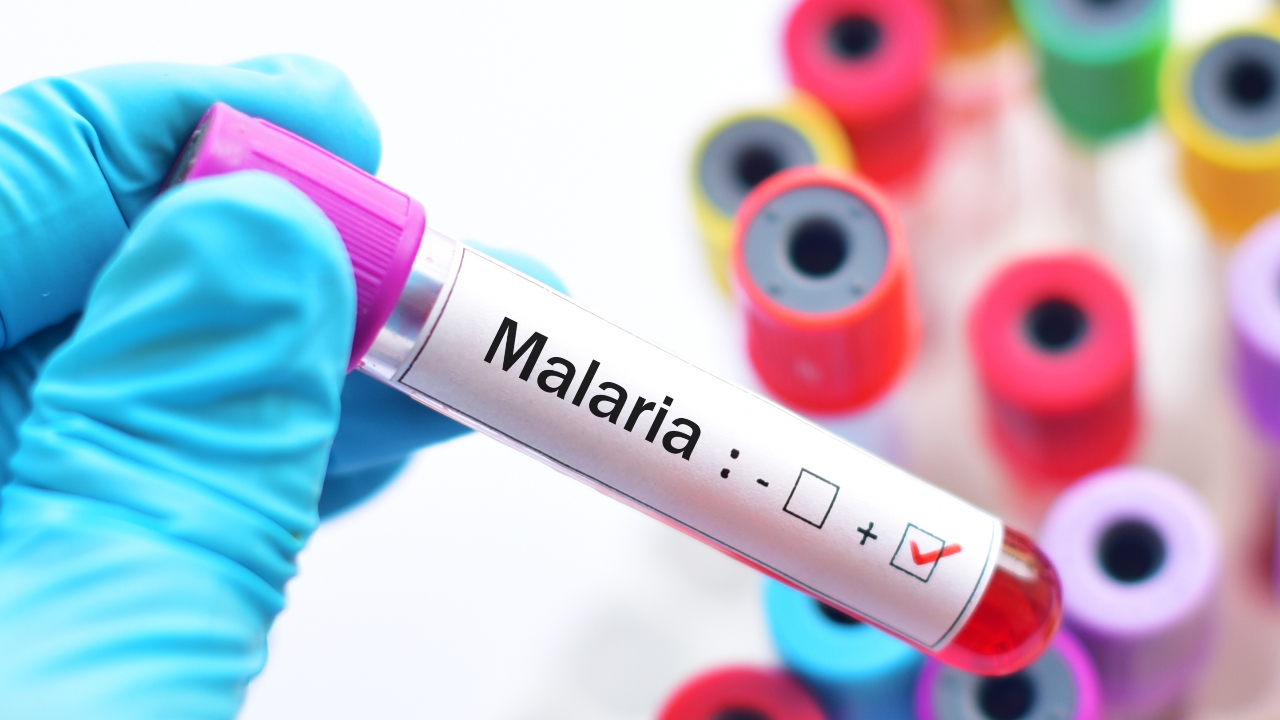
The incident became major news worldwide when foreign media reported that two staff members at Frankfurt Airport, Germany, died from malaria infection. Public health officials suspect the cause was mosquitoes carrying the parasite that hitched a ride on a plane from abroad—known as Airport Malaria. This event has renewed awareness of the dangers of this disease. Thairath Online will take a closer look at what malaria is, its symptoms, and how to protect yourself.
Malaria, known in Thailand as "forest fever" or "chills fever," is a serious infectious disease caused by a single-celled parasite from the Plasmodium group. The main carrier is the female Anopheles mosquito. When an infected mosquito bites a person, the parasite enters the bloodstream and travels to the liver to mature before re-entering the bloodstream to destroy red blood cells.
Although malaria commonly occurs in forested or tropical areas, the case of "mosquitoes on airplanes" shows that carrier mosquitoes can now travel globally via air transport. This means people who have not traveled to forests or high-risk areas can still be exposed to infection.
Comparison table | Anopheles mosquito (Malaria carrier) | Aedes mosquito (Dengue fever carrier) |
Active feeding time | Primarily active from dusk until dawn (nighttime) | Primarily active during daytime |
Resting posture | Rear end raised at a 45-degree angle to the surface | Body parallel to the surface with alternating white and black stripes |
Breeding sites | Natural clear water such as streams in forests | Stagnant water in household containers like tires or flowerpots |
Typically, symptoms appear 7 to 30 days after a mosquito bite, with distinctive signs divided into three main stages:

Warnings: If infected with the severe Plasmodium falciparum strain, delayed treatment can cause serious complications such as cerebral malaria, kidney failure, or severe anemia, potentially resulting in death.
If symptoms are suspected, immediately visit a hospital for professional care. Self-medicating is strongly discouraged.