

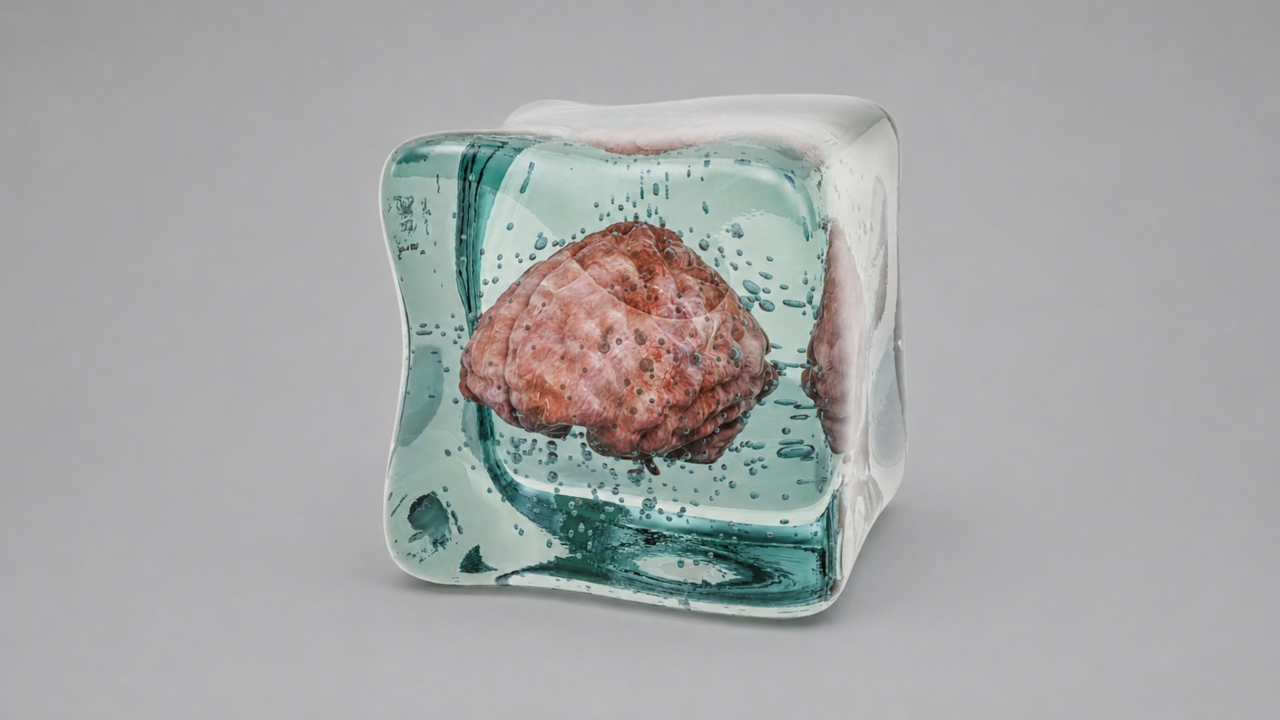
Cryoablation is a modern treatment technology that uses extremely low temperatures to destroy cancer cells. Currently, there are two main types of cryoablation technology based on their mechanisms: using inert gases like argon or helium, and using liquid nitrogen. Both methods are safe and offer comparable treatment effectiveness.
Cryoablation is performed by an interventional radiologist who uses ultrasound and/or computed tomography (CT scan) to guide the procedure. This allows the cryoprobe needle to be precisely and safely inserted into the tumor without the need for surgical incisions.
The key equipment used is the cryoprobe, a very small needle comparable in size to a pen tip. Once inserted into the tumor, it delivers extreme cold to selectively destroy cancer cells at that location.
By combining medical imaging guidance with the new small-sized cryoprobe needle, the resulting wound is minimal—about the size of a needle puncture—and typically heals on its own within approximately 3–5 days.


Cryoablation is suitable for patients with tumors or cancerous masses about 2–4 centimeters in size that can be located via ultrasound to allow precise planning and treatment.
Generally, cryoablation treatment is performed once because the tumor cells at the targeted area are destroyed by the extreme cold during the procedure. However, the number of treatments may vary depending on the size, location, and characteristics of the tumor and the treating physician’s discretion.
After the procedure, patients may experience mild pain or tightness at the treatment site, which can be managed with pain relievers such as paracetamol. Typically, patients stay in the hospital for observation for one night and can go home the next day. No additional wound care is usually needed, but waterproof dressings should be kept on for at least 72 hours. Patients should avoid strenuous exercise or heavy lifting for three days after treatment.
Information provided by : Dr. Sukrit Solaspinya, board-certified radiologist and interventional radiologist specializing in minimally invasive treatmentsSamitivej Sukhumvit Hospital