

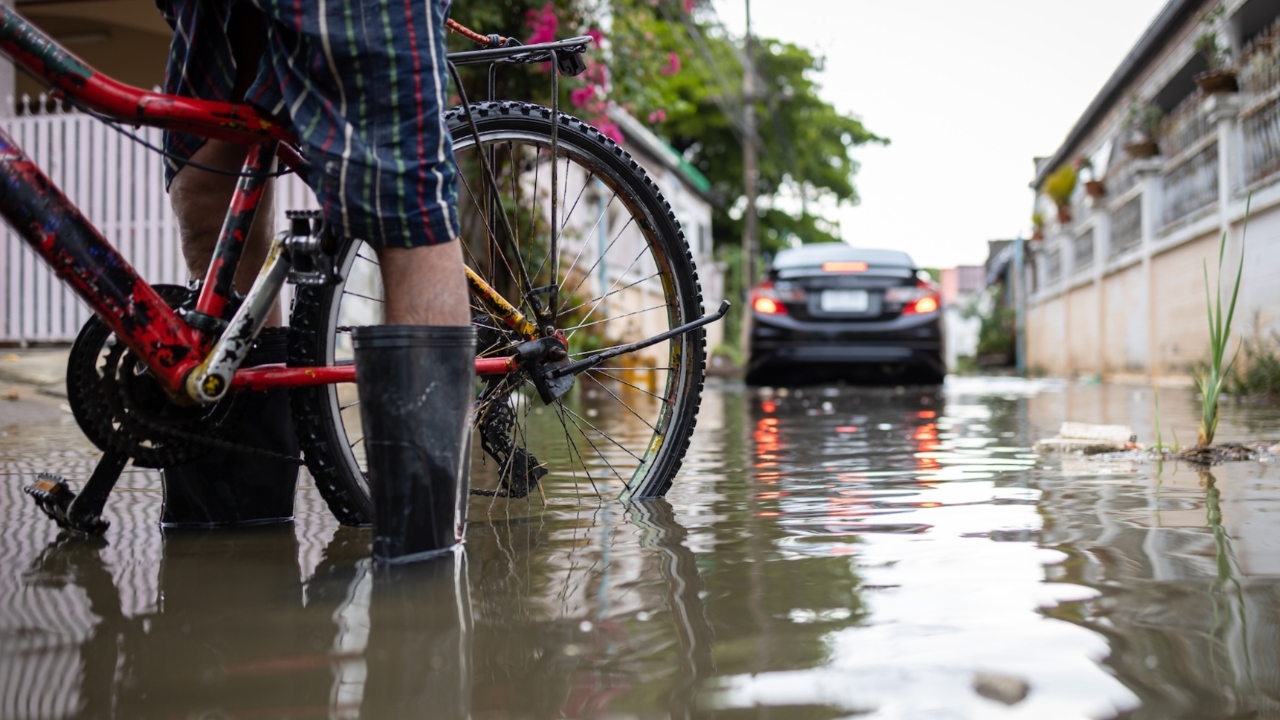
During heavy rains and flooding, not only is travel difficult, but these conditions also provide easy pathways for pathogens and vectors to enter homes.
Having to wade through water, step in mud, or remain submerged for long periods should never be taken lightly, as even small wounds or mild fevers can escalate into serious illnesses if not properly treated.
Medical experts have provided health warnings and summarized a checklist of five common flood-related diseases, notable statistics, and prevention strategies to help the public recognize abnormal symptoms and care for themselves correctly.
Flooded areas with mud and dirty water become reservoirs for leptospirosis, caused by the Leptospira bacteria found in the urine of rats and other animals such as cattle, buffalo, pigs, dogs, and squirrels. The bacteria easily enter through wounds, abrasions, or mucous membranes of the eyes, mouth, and nose.

Dr. Harit Thongvitoomalai of the Faculty of Medicine, Chiang Mai University, explained that infected individuals experience high fever, severe headaches, intense calf and back muscle pain, and red eyes. Without timely antibiotic treatment, the disease can progress to jaundice, kidney failure, pulmonary hemorrhage, and death.
According to the Department of Disease Control, from 1 January to 21 July 2026, there were 2,190 cumulative cases and 30 deaths reported. Anyone who has been exposed to floodwater and develops fever, muscle aches, or red eyes within 7–14 days should seek medical care immediately.
During the rainy season, even small amounts of stagnant water in containers, plant saucers, or trash around homes become breeding grounds for Aedes mosquitoes, causing a surge in dengue fever cases.Dengue feverhas resurged heavily.
Early signs include sudden high fever, headaches, eye pain, muscle aches, nausea, vomiting, and red rash. Special caution is needed when the fever starts to drop, as this may be a critical phase. Severe abdominal pain, frequent vomiting, cold extremities, or bleeding spots on the skin require urgent medical attention.

It is crucial to avoid self-medicating with aspirin, ibuprofen, or diclofenac, as these increase the risk of stomach bleeding. The Department of Disease Control reported 16,094 cumulative cases and 26 deaths from 1 January to 22 July 2026, with children and adolescents aged 10–19 being the most affected group.
Evacuating and living together in shelters or enclosed buildings during floods raises the risk of rapid influenza spread due to limited ventilation, facilitating transmission through coughing, sneezing, or sharing items.

Warning signs include high fever, headache, body aches, cough, sore throat, and runny nose. High-risk groups include young children, the elderly, pregnant women, and those with chronic illnesses.
From 1 January to 8 July 2026, the Department of Disease Control recorded 213,621 cumulative influenza cases and 22 deaths, with children aged 5–9 years being the most affected.
Floodwaters easily contaminate food, ingredients, and daily water supplies with dirt and waste, leading to rapid outbreaks of diarrhea and food poisoning.

Symptoms include diarrhea, abdominal pain, nausea, vomiting, or fever. Initial care involves drinking clean water mixed with oral rehydration salts (ORS) to prevent dehydration. Severe symptoms such as bloody stools, persistent vomiting preventing fluid intake, or lethargy require immediate medical attention.
Data from the Department of Disease Control from 14 June to 9 July 2026 show that diarrhea is the most common disease during the rainy season.
Prolonged walking or soaking in dirty water softens the skin, weakening its natural barrier and leading to athlete's foot, itchy rashes, fungal infections, and bacterial wound infections.

Early signs such as itching, burning, peeling skin, blisters, or swollen, red, warm wounds on feet and between toes indicate skin diseases that require prompt cleaning and care.
People with diabetes, the elderly, and those with weakened immune systems must be especially cautious, as infections can worsen rapidly and become dangerous more easily than in healthy individuals.
Disease | Warning Signs | Prevention and Basic Care |
1. Leptospirosis | High fever, calf/back pain, red eyes, jaundice | Wear rubber boots, clean body immediately after wading, avoid stagnant water |
2. Dengue Fever | Sudden high fever, eye pain, abdominal pain | Empty standing water containers, use mosquito repellent, avoid NSAIDs |
3. Influenza | High fever, cough, sore throat, body aches | Wear masks, wash hands frequently, avoid sharing items |
4. Diarrhea | Diarrhea, abdominal pain, nausea, vomiting | Eat freshly cooked food, sip ORS solution |
5. Skin diseases/Infected wounds | Soft feet, itchy rash, swollen red wounds with pus | Dry feet thoroughly after water exposure, cover wounds with waterproof dressings |
Safe flood response starts with five personal practices to prevent infection and hazards from stagnant water.
Dr. Suwanich Treanchanchuchai, Director of Vimol Phaholyothin Hospital, emphasized the importance of observing symptoms in oneself and family, especially young children and the elderly. If experiencing persistent high fever, severe muscle pain, or red, swollen infected wounds, seek medical attention immediately.
References