

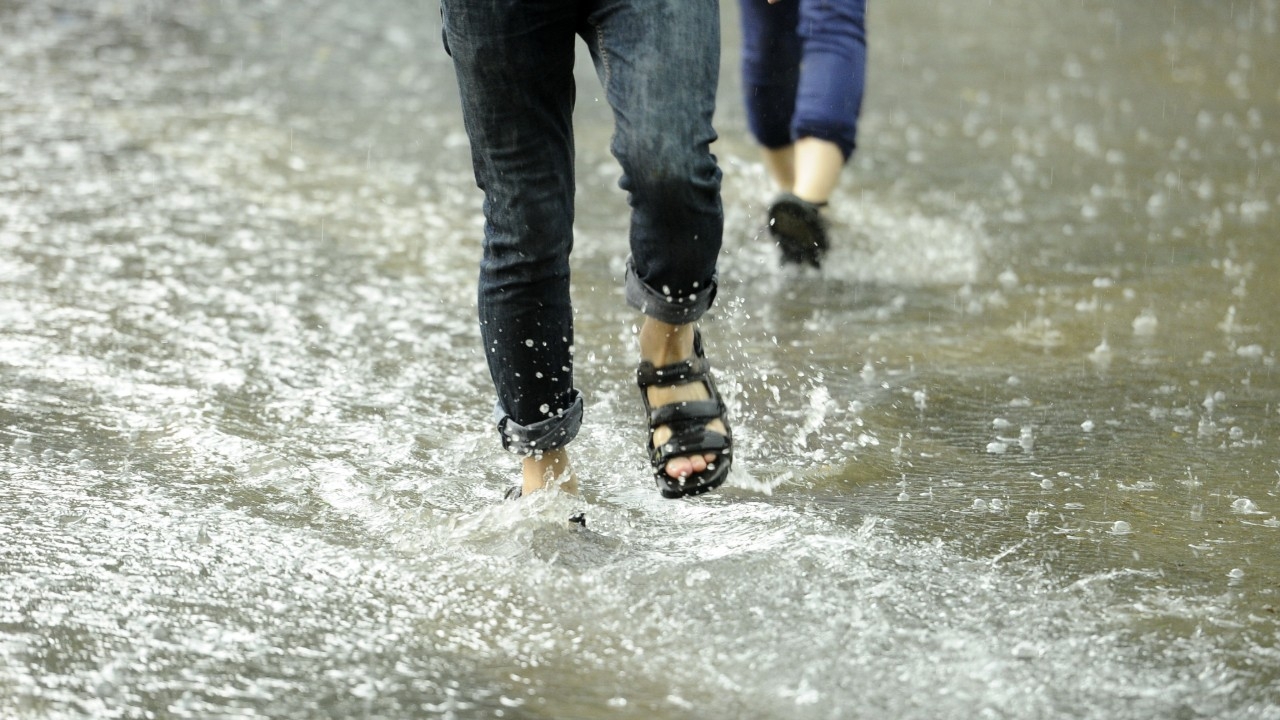
Recently, continuous rainfall, especially in Bangkok and its metropolitan area, has caused some areas to experience drainage delays or temporary flooding. Daily travel may make avoiding contact with or wading through water difficult. Therefore, the concern is not just travel inconvenience but also that standing water may be contaminated with dirt, pathogens, and animal urine washed into it, increasing health risks, particularly leptospirosis and athlete’s foot—two diseases commonly found during heavy rains and prolonged water exposure.
Leptospirosis is caused by the bacterium Leptospira, which is found in the urine of animals, especially rodents, and other species. When rainwater or floodwater is contaminated with this bacterium, those wading through the water—especially if they have wounds, abrasions, or softened skin from prolonged water exposure—may have the bacteria enter their bodies through these areas.
Therefore, even short periods of wading require monitoring for any abnormal symptoms after exposure, particularly if the following signs appear.
Symptoms of leptospirosis
If you have a history of wading through or contacting floodwaters and then develop a high fever with unusual muscle pain, do not dismiss it as just from rain exposure; see a doctor promptly for proper evaluation.

Another common problem during heavy rain and flooding is athlete’s foot, especially among those who walk through water or wear wet shoes and socks for extended periods. Moisture softens and irritates the skin on the feet, making it susceptible to fungal infections. Dirty water can cause skin to break down and increase the risk of secondary infections.
Symptoms of athlete’s foot
If feet remain wet or moist for long periods, symptoms can worsen; therefore, immediately clean and dry feet after water exposure.

On heavy rain or flood days, avoiding flooded areas is the best prevention. If you must travel or wade through water, take extra precautions as follows.

During periods of heavy rain and possible flooding, wading through water may be unavoidable for many. The key is to minimize contact with dirty water, maintain cleanliness afterward, and watch for abnormal symptoms. Upon returning home, take a shower, clean your body and feet, change wet clothes, and keep yourself dry and warm. Those with wounds should regularly inspect the affected areas, as early symptoms may resemble common illnesses. If you experience high fever, headache, or distinct muscle pain—especially in the calves—or have swollen, red, or painful foot wounds that do not improve after water exposure, promptly consult a doctor for proper assessment and treatment to reduce risks of complications.
Information provided by: Internal Medicine Clinic, Phyathai Nawamin Hospital