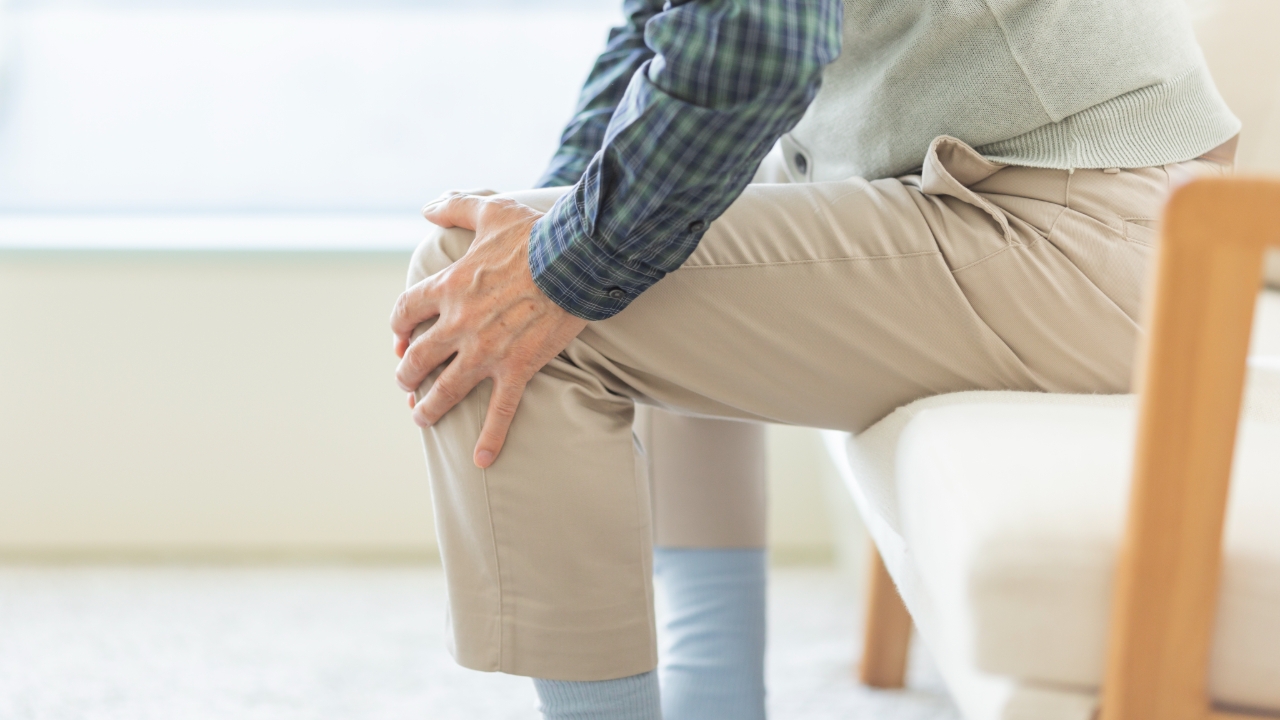
- Knee pain symptoms In people aged 40 and over, knee pain is not always caused by osteoarthritis. It may stem from muscles, tendons, or the knee meniscus. Correctly identifying the cause early helps target the appropriate treatment.
- Those with early symptoms have several non-surgical treatment options ranging from behavior modification, physical therapy, medication, to targeted injections such as artificial joint fluid or PRP. Surgery is considered only when necessary.
- If knee pain is chronic, disrupts daily life, or does not improve with medication, it is advisable to see a knee specialist for early assessment.
1. Common knee pain symptoms in people aged 40+
- Pain when walking that improves with rest.
- Pain when going up and especially down stairs, as the knee bears more weight during descent.
- Difficulty standing up or sitting down, such as squatting, sitting cross-legged, or rising from a low chair with stiffness or pain.
- Morning knee stiffness with limited mobility after waking or prolonged inactivity, usually improving after some movement.
- Swollen knee that appears enlarged and feels warm to the touch.
- Knee cracking or popping sounds when bending or straightening the knee.
People over 40 may experience these symptoms, with severity varying individually. Without care, symptoms may worsen.
Knee pain does not always mean "osteoarthritis" because the knee joint comprises bones, cartilage, tendons, muscles, and menisci. Abnormalities in any of these can cause pain. Common causes include:
- Muscle weakness - Weak thigh and surrounding knee muscles increase the load on the knee, causing pain and fatigue.
- Tendon inflammation - Repetitive use or improper weight-bearing can inflame tendons around the knee, causing localized pain that worsens with movement.
- Meniscus injury - The meniscus cushions shocks; injury or degeneration can cause pain, stiffness, or a catching sensation during movement.
- Osteoarthritis - Gradual cartilage wear due to age and use causes pain and stiffness, with possible deformity in advanced stages.
- Knee joint inflammation - Inflammation inside the joint itself, such as rheumatoid arthritis or gout.
3. Non-surgical treatments for osteoarthritis
Many patients worry about needing surgery when knee pain begins. However, most with early to moderate symptoms improve with non-surgical care. Doctors assess severity individually to choose appropriate methods to reduce pain, slow degeneration, and restore daily function. Early evaluation expands non-surgical options.
4. Treatment options for osteoarthritis
Treatment ranges from self-care to surgery, tailored to each patient’s condition. Summary includes:
- Behavior modification and weight control to reduce knee pressure.
- Physical therapy and muscle strengthening to support the knee joint.
- Medications to relieve pain and inflammation.
- Injections into the knee joint, such as joint lubricants, as indicated by a physician.
- PRP therapy using concentrated platelets from the patient's own blood, suitable for selected cases.
- Surgery is reserved for severe cases or when other treatments fail, ranging from arthroscopy to total knee replacement.
- Knee replacement surgery is an option when degeneration is advanced and other treatments no longer relieve symptoms. It reduces pain and improves joint mobility, enhancing quality of life. Replacement may be partial or total, depending on severity.
For patients advised to undergo surgery, details comparing total versus partial knee replacement can be found in the article “Total vs Partial Knee Replacement: What’s the Difference?” (internal website link).
5. When to see a knee specialist
Certain knee pain signs should not be ignored and warrant specialist evaluation, including:
- Intermittent knee pain lasting several months without improvement.
- Frequent or continuous use of pain medication to maintain normal activities.
- Pain interfering with walking, sleeping, or daily routines.
- Swelling, deformity, or inability to fully bend or straighten the knee.
Early consultation does not necessarily mean surgery but ensures accurate diagnosis and appropriate care before symptoms worsen.
6. Managing knee pain with a specialist team at Samitivej Sukhumvit Hospital
At the Knee Health Center, Samitivej Sukhumvit Hospital, we provide comprehensive knee care from prevention to treatment. We identify the true cause of pain, recognizing it may originate not only from the knee but also from the hip, spine, or foot and ankle. Our multidisciplinary specialists conduct thorough assessments and offer personalized care ranging from non-surgical to surgical interventions when needed.
7. FAQ - Frequently Asked Questions
Q1. Is knee pain in your 40s abnormal?
Not always abnormal, but it should not be overlooked. Early diagnosis when symptoms are mild can increase non-surgical treatment options.
Q2. Does knee pain mean osteoarthritis?
Not necessarily. Knee pain can stem from muscle weakness, tendon inflammation, meniscus issues, or osteoarthritis. Specialist diagnosis is needed to determine the cause.
Q3. If knee pain starts, do I need surgery immediately?
Usually not. Most patients with mild symptoms begin with non-surgical methods such as behavior changes, physical therapy, medication, or injections. Surgery is a last resort.
Q4. How to care for knees at home to strengthen them?
Maintaining healthy weight, regularly exercising knee muscles, and avoiding positions that excessively load the knees are fundamental for long-term joint health.
Q5. What does knee swelling mean? Is it dangerous?
Swelling is common in early knee problems, seen as enlargement and warmth. It does not always indicate osteoarthritis as many causes exist. If swelling is accompanied by deformity or limited movement, see a specialist.
Q6. How is tendon inflammation different from osteoarthritis?
Tendon inflammation usually results from repetitive strain, heavy sports, or improper weight-bearing causing localized pain that worsens with movement. Osteoarthritis is cartilage wear with possible deformity in advanced stages. Specialist diagnosis clarifies the difference.
Information by: Dr. Kritkamol Sitthithool, Orthopedic Surgeon specializing in knee and hip joints, license number W.27713Samitivej Sukhumvit Hospital