

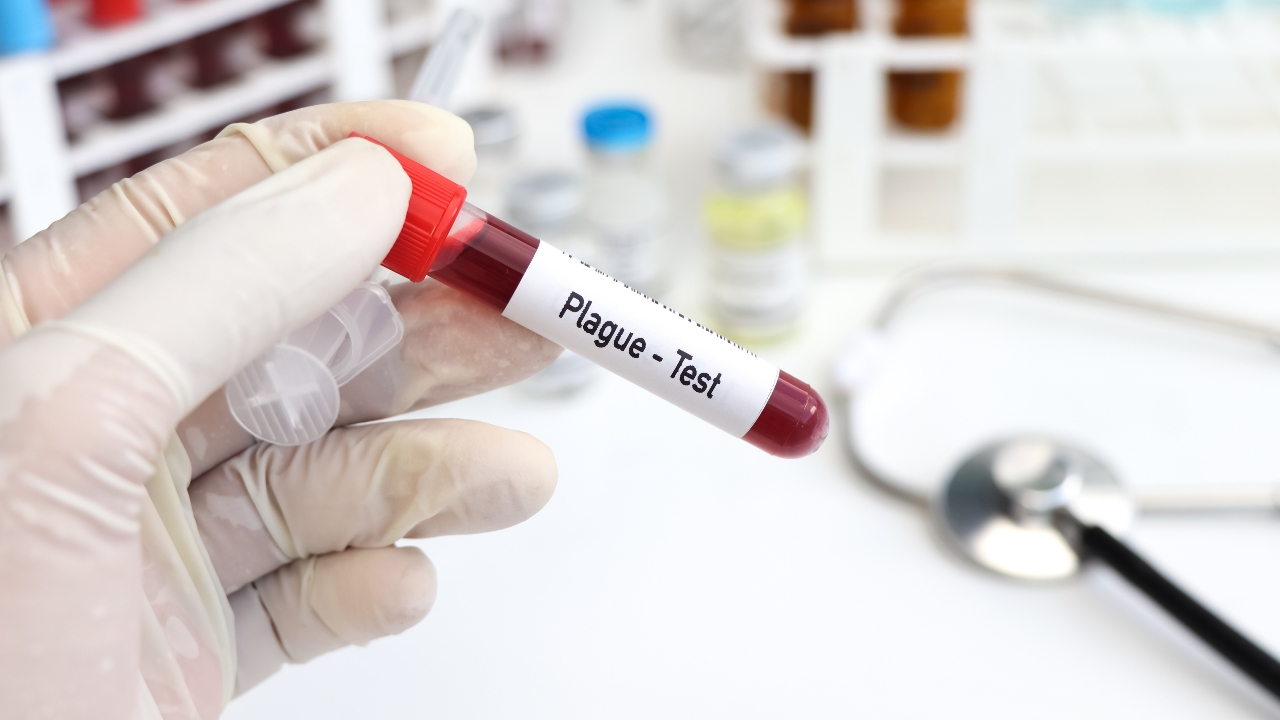
The incident has attracted worldwide attention after reports of an accident at a plague research laboratory in Russia led to the death of a female researcher, with nearly 200 individuals requiring monitoring. Authorities are still conducting detailed analyses to identify the precise strain involved.
Although this event occurred far from home, it prompts us to revisit the question: What exactly is "plague," a disease that once caused widespread fear in human history? How dangerous is it, and how do we manage it today?
Plague is a serious infectious disease caused by the bacterium Yersinia pestis, typically found in small rodents such as rats and squirrels, as well as fleas living on these animals. Historically, plague outbreaks were so severe they were called the "Black Death" because patients developed blackened tissue necrosis on their bodies.
Nowadays, plague is a communicable disease under surveillance. Although large-scale outbreaks are rare due to effective antibiotic treatments, the bacterium remains strictly controlled in high biosafety standard laboratories.
Plague transmission can occur through various factors, mainly including:

Plague is classified into three main types based on symptom presentation as follows:
Types of plague | Mode of infection | Key symptoms | Severity level |
1. Bubonic plague | Most common, caused by bites from infected fleas. | Swollen, painful lymph nodes in the groin, armpits, or neck; high fever; chills. | Moderate to high danger; with timely antibiotic treatment, survival rates are high. |
2. Septicemic plague | Bacteria enter directly into the bloodstream or spread from lymph nodes. | High fever; abdominal pain; shock; extremities may turn black due to tissue death from poor blood supply. | Severe; can cause organ failure. |
3. Pneumonic plague | Bacteria infect the lungs or are inhaled via infectious droplets. | Coughing blood; difficulty breathing; rapid onset of high fever. | Most dangerous form; easily spreads person to person; high risk of death if untreated within 24 hours. |
Historically, plague seemed a deadly and untreatable disease, but modern medicine can cure it with antibiotics like Streptomycin, Gentamicin, or Doxycycline if diagnosed and treated promptly at early stages.
Global health organizations remain vigilant about plague, especially pneumonic plague, due to its airborne transmission risk. Strict biosafety standards are essential to prevent any pathogen escape from laboratories into communities.
While the news of overseas pathogen monitoring raises awareness, the general public need not panic excessively. Accurate information and understanding of causes and symptoms help us protect our health properly.
References