

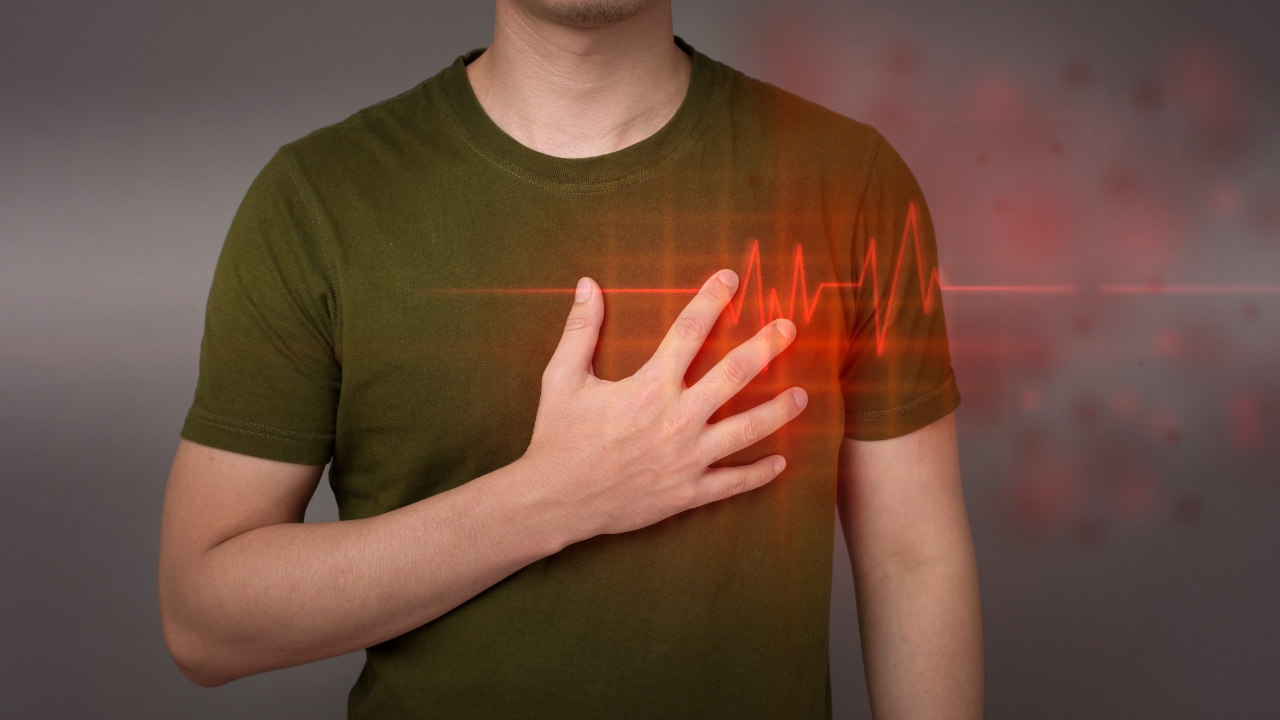
According to Thailand’s Ministry of Public Health, approximately 70,000 people die annually from heart and vascular diseases in the country.
Sudden death from coronary artery disease in men over 40 usually results from long-accumulated health risk factors without prior warning signs.
As men enter their 40s, their bodies undergo changes affecting metabolism, blood pressure, and blood lipid management.
Especially when uncontrollable factors like genetics and family history of heart disease or hereditary high cholesterol combine with risky lifestyle behaviors such as
These factors accelerate arterial deterioration and plaque buildup in coronary arteries, often progressing silently until causing ischemic heart disease or sudden death.
A common misconception is that coronary artery disease results only from gradual fat buildup leading to arterial blockage and heart attack. In reality, the mechanism causing acute myocardial infarction is complex, severe, and much faster, mainly due to instability of"fatty plaque deposits"medically known as"plaque."

Over decades, cholesterol, calcium, and white blood cells accumulate beneath the coronary artery lining, forming atheromatous plaque. This plaque consists of a lipid-rich necrotic core covered by a fibrous cap that isolates harmful components from the bloodstream. However, chronic inflammation from high blood pressure, diabetes, or smoking thins this cap by losing vascular smooth muscle cells, making the plaque vulnerable and unstable (vulnerable plaque).

Chest pain from acute coronary artery disease and gastroesophageal reflux disease (GERD) often resemble each other, causing confusion and possibly overlooking critical warning signs, delaying diagnosis and treatment.
Key differences: | Acute coronary artery disease | Gastroesophageal reflux disease (GERD) |
Symptom characteristics | Severe chest tightness, pressure, as if a heavy weight is pressing down. | Burning sensation in chest and throat, discomfort under the sternum. |
Pain radiation location | Often radiates to left arm, shoulder, jaw, neck, or back. | Typically radiates upward along the neck, not to arms or jaw. |
Triggering factors | Physical exertion, exercise, heavy lifting, stress. | Eating spicy or fatty foods, lying down after meals. |
Duration of symptoms | Sudden onset lasting minutes, possibly worsening. | May last for hours and recur multiple times daily. |
Associated symptoms and danger signs | Sweating, cold skin, shortness of breath, dizziness, fainting. | Belching, bitter taste, bloating, difficulty swallowing, chronic cough, hoarseness. |
Relief methods | Rest from activity, sublingual vasodilator medication. | Sitting or standing upright, taking antacids. |
Although heart disease and acid reflux have distinct symptoms, sometimes distinguishing them is difficult. Men over 40 experiencing unusual chest pain or tightness should not self-diagnose but seek medical evaluation for proper risk assessment and diagnosis.

Coronary artery disease can progress silently until the first acute ischemic event occurs.
Therefore, men over 40, especially those with risk factors, family history of heart disease, or suspicious symptoms, should undergo risk assessment alongside annual health check-ups. Doctors will recommend additional appropriate tests based on individual risk.
Coronary Artery Calcium Score (CT Calcium Score) uses high-speed CT to detect calcium in coronary artery walls, part of plaque buildup. This early screening is especially useful for asymptomatic men over 40.

If risk or coronary artery disease is detected, lifestyle changes combined with proper medical care help control risk factors, slow disease progression, and reduce future heart complications.
1. Lifestyle changes
The key approach to prevention and management is"lifestyle modification"to reduce risk factors, including
2. Lipid-lowering medications
If lifestyle changes are insufficient, doctors may prescribe medications like statins to lower LDL cholesterol and reduce cardiovascular risk, also stabilizing plaques. Antiplatelet drugs are considered individually by weighing benefits of preventing vascular blockage against bleeding risk.

3. Treatment for severe coronary artery blockages
If severe blockage causes ischemia or acute myocardial infarction, doctors may perform balloon angioplasty and place stents to restore blood flow. A catheter is inserted to the blockage site, the balloon inflates to push plaque against the artery wall, and a stent supports the artery to prevent re-narrowing.
For multiple severe blockages unsuitable for angioplasty, coronary artery bypass grafting (CABG) surgery is considered to create new blood flow routes bypassing occlusions."Coronary artery bypass grafting"(CABG) creates new pathways for blood flow around blockages.
Coronary artery disease develops gradually over time, especially after age 40. The concern is not only gradual narrowing but unstable plaque that may rupture suddenly, causing acute occlusion without warning.Knowingyour risk and undergoing appropriate assessments like CT Calcium Score when indicated helps plan early prevention and care. Good heart health starts with understanding and managing risks today.
Information by Dr. Apichai Pongpattanaruk, Board Certified Cardiologist (license no. 22037)Samitivej Sukhumvit Hospital