

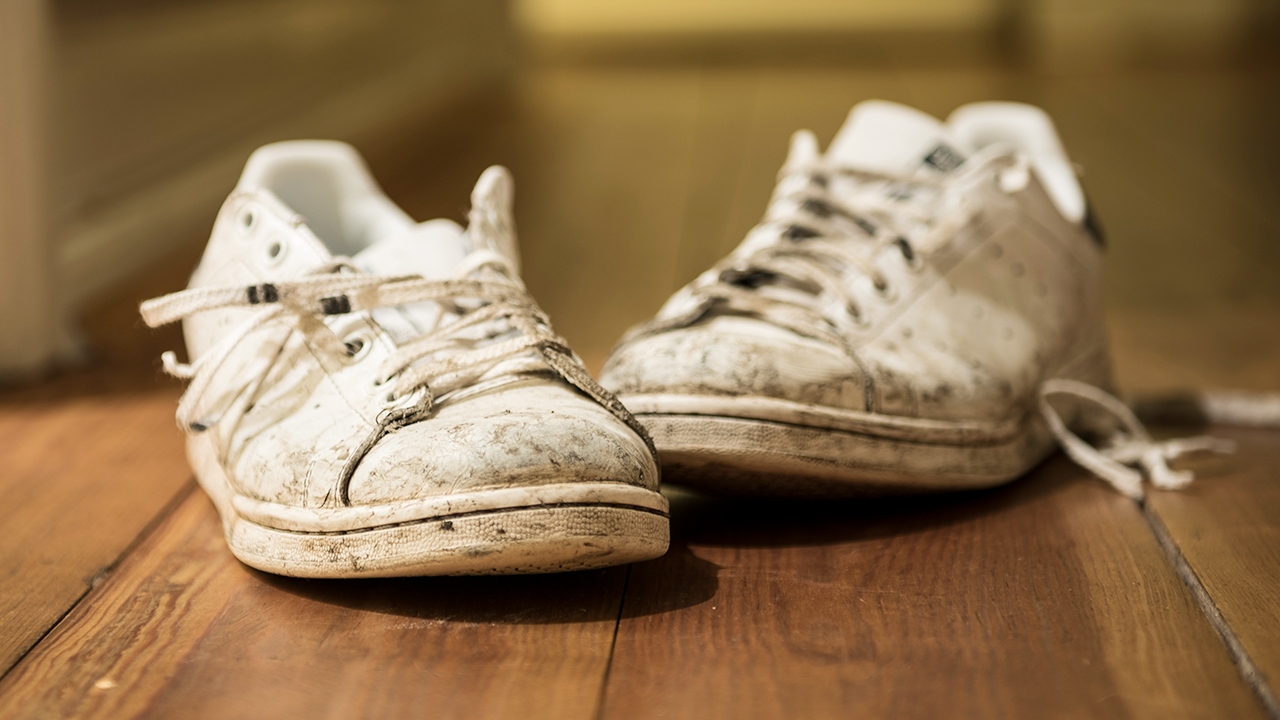
Wearing the same pair of shoes every day without cleaning allows sweat and dirt to build up, causing moisture that encourages the growth of certain fungi and bacteria. This increases the risk of skin diseases on the feet and nails, especially nail fungus and foot hole disease.
Moisture inside shoes increases the risk of nail fungus infection, which can spread beneath the nail causing abnormalities. The symptoms include:
Nails turning white, yellow, or brown.
Nails thickening, becoming brittle, cracking, or crumbling into powder.
Accumulation of nail and skin debris under the nails.
Nail deformities or pain when wearing shoes.
This condition may require treatment for several months because toenails grow slowly and it can recur.
Foot hole disease results from certain bacteria thriving in moist conditions that consume keratin in the outer skin layer, creating many small holes on the soles. It mainly affects people who sweat heavily or wear closed-back shoes for long periods. Symptoms include:
Many small holes on the soles, especially on the heels and forefoot.
Pale or macerated skin when wet.
Strong foul odor from the feet even after washing.
Some may experience itching or pain when walking.
This disease is treatable with topical antibacterial medication as prescribed by a doctor, along with keeping feet dry and clean.

Alternate shoes by having at least two pairs to reduce germ buildup.
Regularly wash shoes, especially the insoles, using cleaning methods appropriate for the shoe type.
Change socks daily, choosing fabrics that breathe well and wick moisture; change immediately if socks become wet.
Air out shoes after use by placing them in well-ventilated areas to dry; avoid storing damp shoes in closed cabinets.
Maintain foot hygiene by washing feet with soap daily and thoroughly drying, especially between toes before wearing shoes.
Keeping shoes clean and dry helps reduce the risk of nail fungus and foot hole disease. If nails discolor, thicken abnormally, or soles develop holes, consult a doctor promptly.