

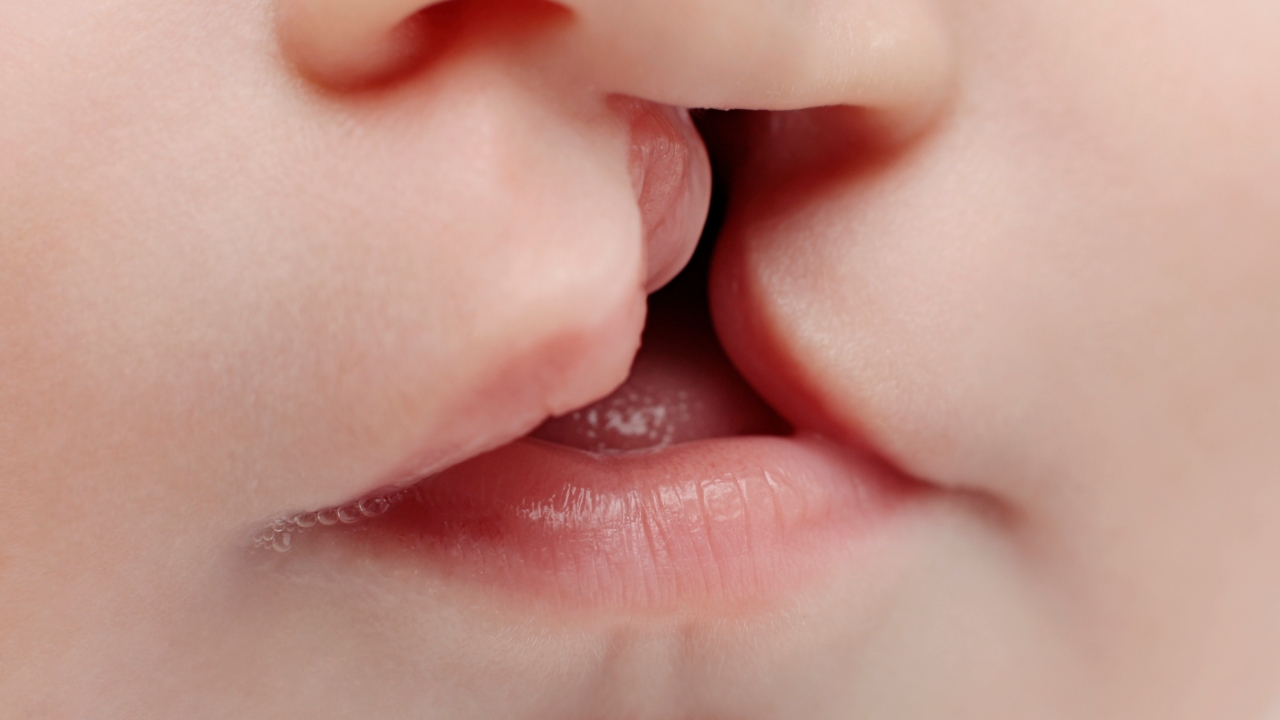
Cleft Lip and Palate This congenital condition can occur while the baby is still in the womb, caused by both genetic and environmental factors during pregnancy, especially within the first three months, which is a critical period for the development of the baby's facial and oral structures.
For expectant mothers or those planning to conceive, understanding what causes cleft lip and palate, along with the risk factors involved, helps emphasize the importance of prenatal health care and being prepared to follow medical advice appropriately.
Cleft lip and palate (English: Cleft Lip and Cleft Palate) is a structural abnormality of the face and oral cavity present from the fetal stage, where tissues around the upper lip or palate fail to fuse completely, resulting in a split in the upper lip, the palate, or both simultaneously.
This abnormality typically occurs during the first 2-3 months of pregnancy, influenced by genetic and environmental factors that can affect the facial development process. However, cleft lip and palate can be treated and the function of affected organs can be restored.
Data from Bumrungrad Hospital indicates that in Thailand, the incidence of cleft lip and palate is about 1-2 cases per 1,000 newborns, making it a congenital condition that parents should be aware of in order to plan proper treatment and care.

Although the exact cause cannot be pinpointed in every case, several factors have been found to increase the risk of cleft lip and palate, as follows.
Genetics is a key factor associated with cleft lip and palate, especially in families with members who have had the condition, as well as certain chromosomal abnormalities that may affect fetal development.
However, having a family history does not guarantee that a child will be born with cleft lip or palate, but it is important information to share with doctors during prenatal visits for risk assessment.
Smoking and drinking alcohol during pregnancy can increase the risk of cleft lip and palate because the development of the baby's facial and oral structures takes place early in pregnancy.
Therefore, women planning pregnancy or currently pregnant should avoid smoking and alcohol to reduce risks that could affect their baby's health and development.
Some medications and chemicals may impact fetal development, especially if exposure occurs during the first three months when facial structures are forming.
However, not all medications increase the risk of cleft lip and palate. Expectant mothers should inform their doctors about any medications they are taking and should not stop or change prescribed treatments without medical advice.

Mothers diagnosed with diabetes before pregnancy or who become obese during pregnancy may have an increased risk of having a baby born with cleft lip and palate.
Proper health management before and during pregnancy is crucial, especially for those with underlying conditions, who should consult their doctors to plan care and monitor their health appropriately.
Lack of proper nutrition and certain infections during pregnancy are external factors potentially linked to cleft lip and palate, particularly during the first three months when organ and facial structure formation occurs.
Mothers should prioritize health and nutrition during pregnancy, attend prenatal appointments, and follow medical advice to monitor and prevent possible abnormalities.
This is done through ultrasound examination, where doctors may observe structural abnormalities of the face. However, some types of the condition may not be clearly visible until after birth. After birth, doctors can identify splits in the lip or palate. Some affected infants may have difficulties with sucking, swallowing, or experience milk flowing out through the nose, and they may face hearing and speech challenges as they grow.
Can cleft lip and palate be fully treated?

The main approach is surgical repair of the lip and palate abnormalities, supported by a multidisciplinary medical team to help the child eat, speak, hear better, and improve facial structure appearance. Regarding treatment timing,
surgery to repair a cleft lip is usually performed between 3-6 months of age, while palate repair surgery may be done from 12 months onward. Doctors will decide based on the child's condition and severity, and some may require ongoing treatment as they grow. Although
cleft lip and palate are associated with multiple risk factors, having these risks does not guarantee a child will be born with this condition. Mothers should avoid excessive worry and focus on prenatal care, health maintenance, and consulting doctors with any concerns to ensure proper care from the earliest stages. Source: MedPark Hospital, Bumrungrad Hospital