Thairath Online
Thairath Online

Chinese New Year 2026: Clearing Up the Confusion Between Ang Pao and Tae Ea

Life11 Feb 2026 10:06 GMT+7

Share article

Chinese New Year 2026: Clearing Up the Confusion Between Ang Pao and Tae Ea

Chinese New Year 2026 Falls on 15-17 February. According to tradition, red envelopes called Ang Pao are given as a blessing, symbolizing good wishes and gratitude. During this festival, besides the term "Ang Pao" you often hear the word "Tae Ea." This leads many to wonder, what is the difference between Ang Pao and Tae Ea? Thairath Online has gathered information to clarify the differences between Ang Pao and Tae Ea in this article.

What is the difference between Ang Pao and Tae Ea?

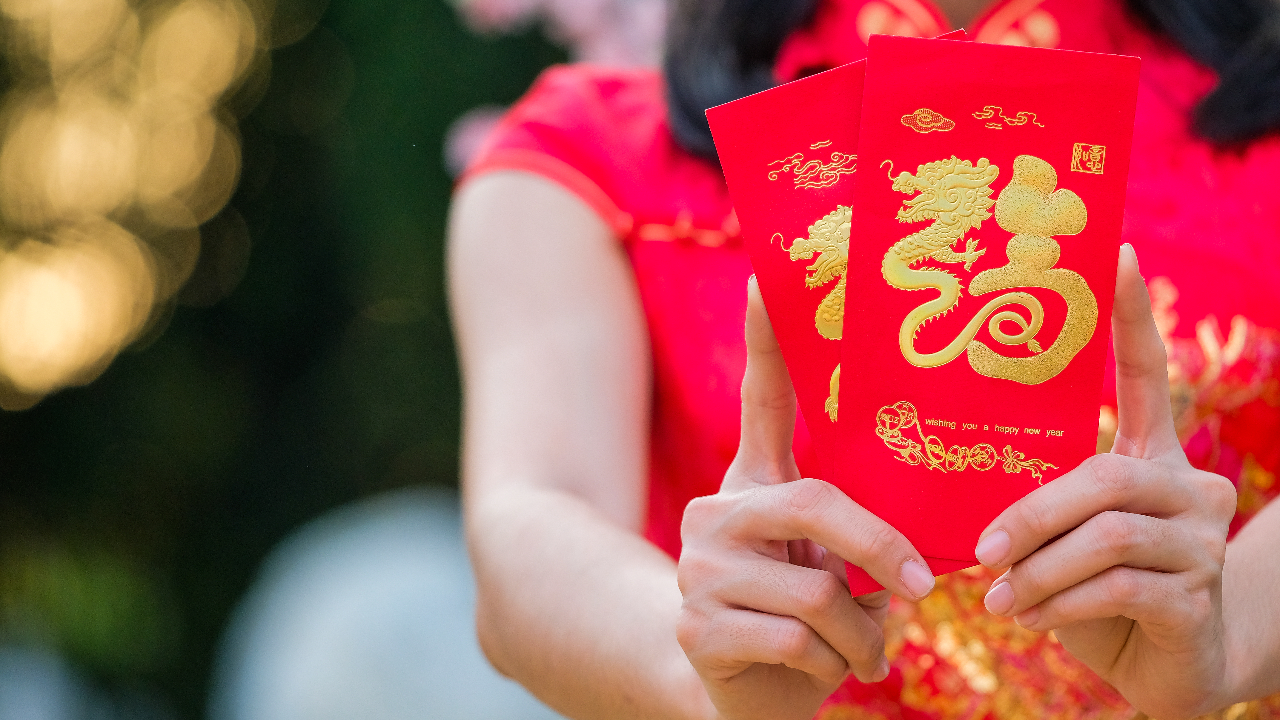
Ang Pao (红包) is the pronunciation in Teochew Chinese; in Mandarin it is pronounced "Hong Bao." Ang Pao refers to the red envelope containing money, given as an auspicious gift representing good feelings and well-wishes among people. As for what is Tae Ea, the answer is Tae Ea (压腰) is a traditional Chinese custom of giving money or gifts in money bags or gold pouches to children to tie around their waists during Chinese New Year. This aligns with the meaning of "Tae Ea," which means pressing or tying at the waist.

When is Ang Pao given?

The Ang Pao giving day in 2026 is mostly during the Chinese New Year festival. However, since Ang Pao envelopes are considered auspicious gifts, tradition also includes giving them on special occasions such as business openings, birthdays, weddings, and other important days.

Who should give Ang Pao?

There is no strict rule about who must give Ang Pao; it depends on each family. But generally, elders give to younger ones. For those wondering about giving Ang Pao to adults, the answer is that younger people or working descendants can also give Ang Pao to elders or family members to express gratitude.

What numbers do Chinese usually put in Ang Pao money?

It is customary to give money in even numbers, considered lucky. However, customs vary regionally. In southern China, the number 6 is popular because its pronunciation sounds like "smooth" or "well-off," and 8 is favored for its meaning of "wealth." Conversely, the number 4 is avoided because its pronunciation resembles the word "death."

Why give Ang Pao on Chinese New Year?

Chinese New Year is considered the Chinese New Year holiday, a festival full of auspicious meaning. Giving Ang Pao expresses good feelings, care, and blessings for loved ones, elders, and descendants, wishing for success, longevity, health, and a happy new year. It also reflects the value of gratitude in Chinese culture.

Giving Ang Pao to each other is a special, warm activity during Chinese New Year. When children receive Ang Pao, they should offer blessings to elders in return as thanks. Working-age descendants may give Ang Pao to their parents to express gratitude and wish them long life during the festival.

Read related news