

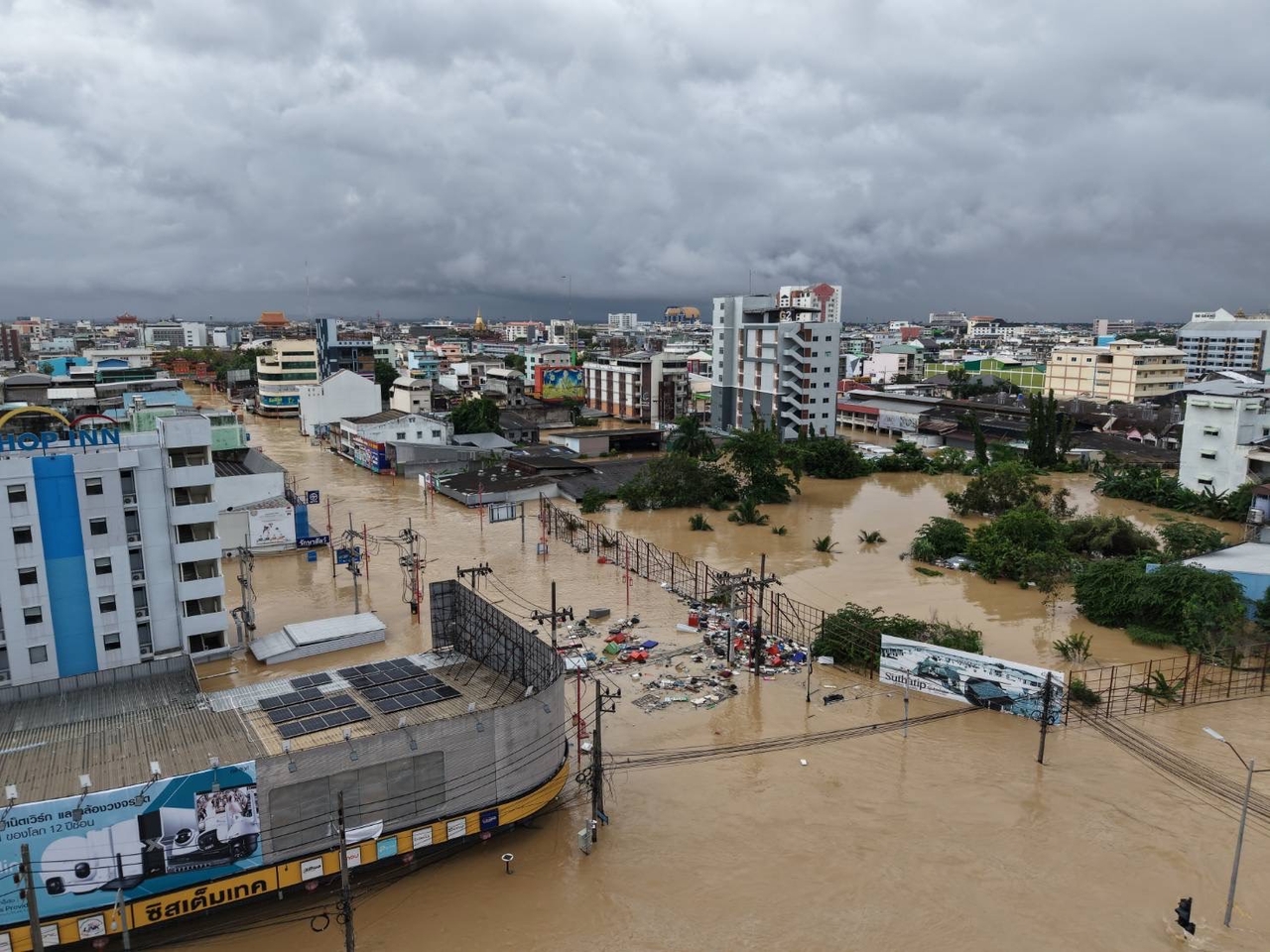
Techniques for managing your home to survive this major flood crisis, cutting off electric shock circuits, making improvised life jackets, reducing the risk of secondary injuries from sharp objects, and how to evacuate pets safely without drowning.
When water levels rise to critical points, staying calm and preparing are the most important steps. The following information provides safety guidelines for managing your home's environment, adapting lifesaving equipment, and caring for pets to help you and your family safely endure the situation.
Before the water reaches your home or as flooding begins, the most crucial priority is preventing electrical hazards and dangers from household items. The greatest risk is the electrical system. You should unplug all electrical devices, and if water levels rise, avoid staying near outlets. If possible, "mark the spots" by making symbols or writing the locations of electrical outlets on the wall at eye level. This serves as a reminder to yourself and family members to avoid touching or approaching outlets submerged in water, which could cause electric leakage.
Gas cylinders should be securely tied to sturdy house posts or solid bases to prevent them from floating away with the water, which could cause impact damage or gas leaks.
Sharp objects must be carefully managed. Knives, scissors, or tools should be kept above water level and securely stored. During flooding, these items can float unpredictably and cause cuts or infections, leading to secondary accidents.
The emergency kit should be kept in a high, dry place and be ready to grab at any time. Store everything in waterproof ziplock bags, including:
In emergencies without life jackets, it's important to improvise using nearby items that trap air, as any object containing air can float.
Look for household items such as water containers with lids, empty jerrycans, foam sheets, sturdy plastic boxes, basins, or even wooden doors and tables that can be held onto for flotation.
Also, clothing like shirts or long pants can be adapted into flotation aids by tying the sleeves or pant legs tightly and blowing air inside to hug for support. Large black plastic bags, when filled with air and sealed tightly, can also serve as DIY flotation cushions.
Once equipment is ready, the next step is carefully planning escape routes. If trapped on the second floor without normal exits, use thick ropes (if available), bedsheets, or curtains tied securely together for climbing down. It is crucial to anchor these only to strong house posts or structural supports—not curtain rods or shelves, which can easily come loose. This should be a last resort if no other exits exist.
After reaching a safe spot, gather at the highest point and signal your location by waving red cloths, flashing flashlights, or banging metal objects to attract rescue teams’ attention and facilitate their access.
For families with pets, this is critical. Never tie pets to posts, fences, or fixed structures, as rising water will trap them, causing drowning.
The correct method is to place pets in basins or baskets tied to floating objects like jerrycans. If leashing is necessary, use a loose leash attached to movable floating objects so the animal rises with the water level, and keep them close at all times. For small animals, place them in plastic boxes, floating cages, or other buoyant containers secured near you.
Besides rising water, watch out for hidden threats such as venomous snakes, centipedes, or scorpions that flee floodwaters to dry areas. Prepare tools to keep them at a distance, like long-handled brooms or mops to ward them off, but avoid harming them.
Also, important safety prohibitions include: Do not use sharp objects in water; avoid touching wet or submerged electrical outlets or devices; do not swim against currents; and do not climb unstable structures, as these actions risk further injury.
If flooding reaches the roof and you must leave the building, stay calm and cling to the largest floating object you can find, such as a door, jerrycan, or table, to stay afloat as long as possible. Then try to move toward higher buildings or sturdier structures to await rescue.