

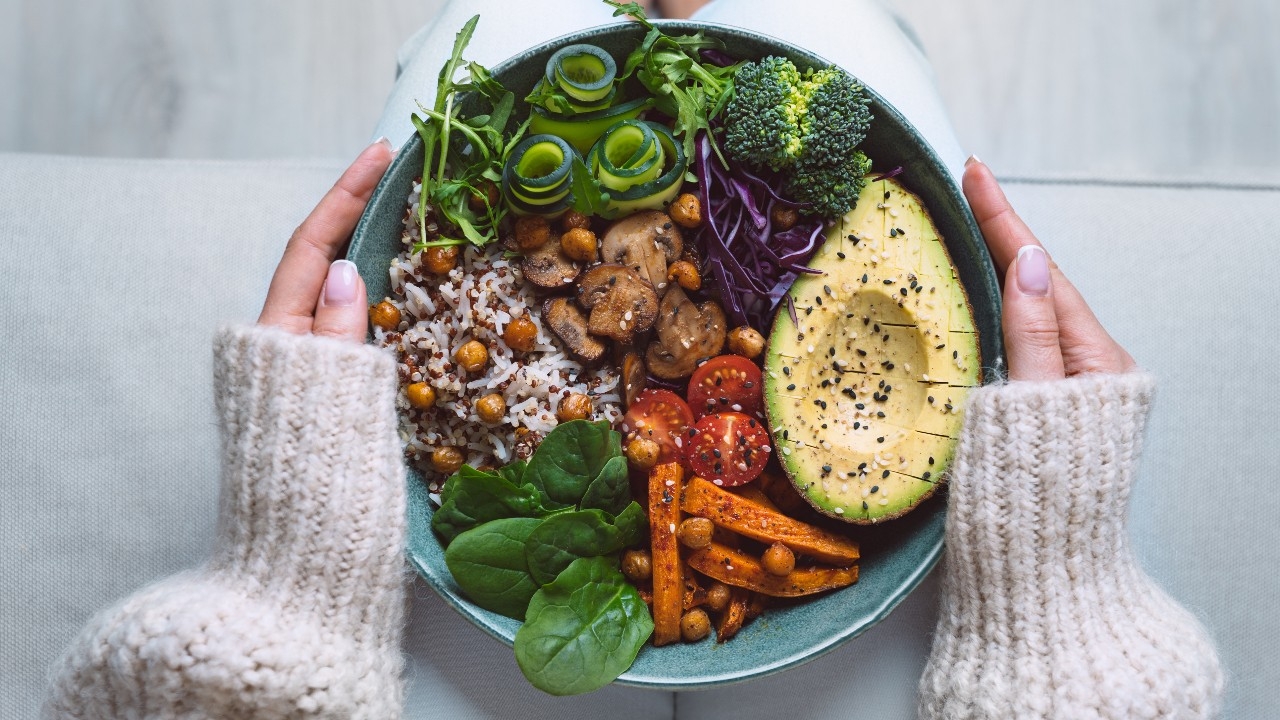
Is a Plant-based Diet Really Beneficial? An in-depth look at the advantages and precautions before changing your eating lifestyle.
The hottest health trend right now is undoubtedly the Plant-based Diet. Many wonder if reducing meat and focusing on plants truly benefits the body or if it's just a passing fad. Today, we delve deeper to help you prepare for a sustainable transition to a "plant lover" lifestyle.
What is a Plant-based Diet?
A Plant-based Diet means choosing foods that "primarily emphasize plants." It is not necessarily vegetarian or vegan. The focus is on minimally processed or unrefined foods like vegetables, fruits, whole grains, legumes, and seeds. It doesn't require eliminating meat entirely but aims to reduce its quantity to a minimum.
Benefits of Eating Plant-based
Plants are high in fiber, aiding digestion, promoting longer fullness, and usually contain fewer calories.Fatty meatsare thus reduced, helping effective weight control.
Studies show that focusing on plants lowers the risk of heart disease, high blood pressure, type 2 diabetes, and reduces blood cholesterol levels, thereby decreasing chronic disease risks (NCDs).
Skin looks radiant and ages slower because plants contain abundant antioxidants and vitamins that protect cells from damage, making the skin glow and slowing bodily deterioration.
Reducing meat and increasing plants not only aids weight loss but also "cleanses" the body internally, such as:
Though appealing, sudden dietary changes may cause nutrient deficiencies if not well planned, including protein and vitamin B12 shortages commonly found in meat, essential for nerve and blood health. If following a 100% Plant-based Diet, consulting a doctor about supplements is advisable.
Also, highly processed foods like meat substitutes or snacks, even if plant-based, often contain excess sodium and saturated fats. Choosing natural foods is best. Rapid increases in fiber may cause bloating or gas for some; it’s recommended to gradually increase vegetables and drink plenty of water.
Starting a Plant-based Diet need not be stressful. Begin by reducing meat in some meals and replacing it with quality plant proteins. The key is selecting "real food" (whole food) over processed items. This simple approach allows your body to truly benefit from plant-based eating.