

According to a Thairath Poll survey on political party popularity and prime ministerial candidates from the perspective of Thairath Online readers in November 2025, conducted between 4 Nov and 15 Nov 2025 with over 36,000 respondents, the popularity scores for individuals and parties still significantly favor the People's Party. However, the proportion of those undecided and not choosing any candidate remains considerably high.
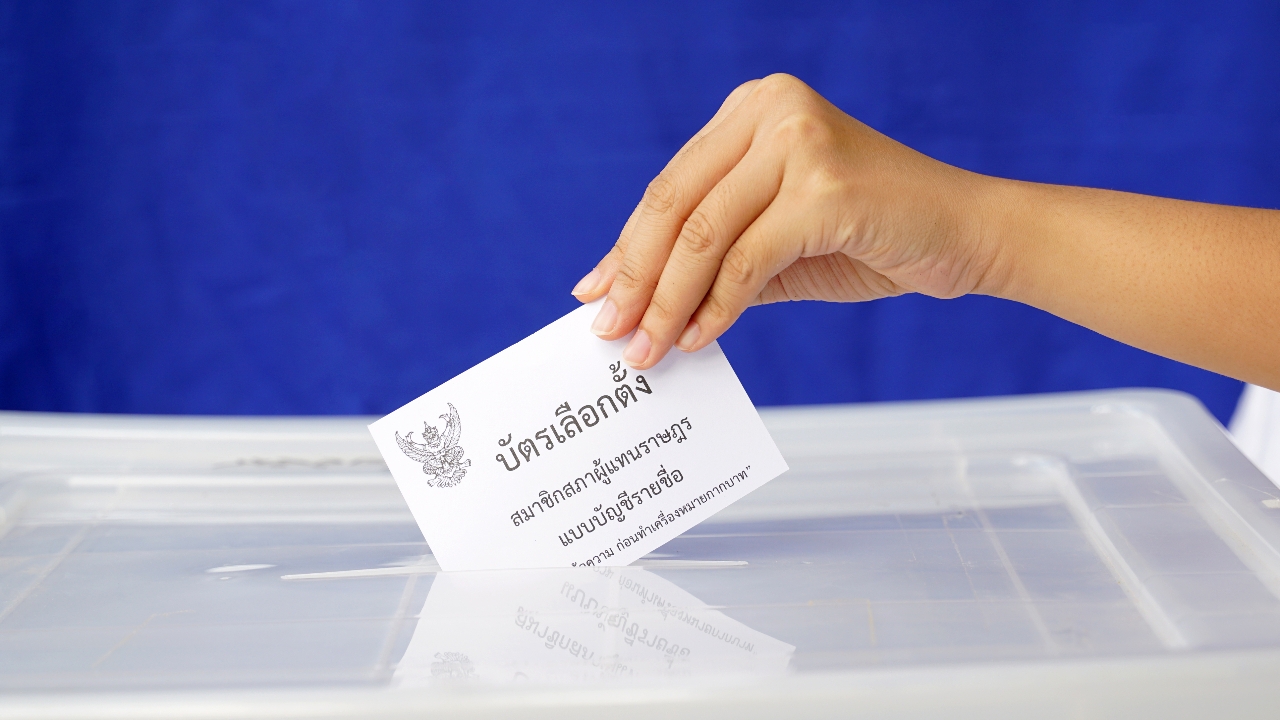
Many people may wonder what to do if they do not want to vote for anyone. Between “sleeping on your rights” by staying home and “going out to mark the ballot as not choosing any candidate,” the outcomes differ completely, both legally and symbolically in politics. Today, Thairath Online summarizes everything clearly in one place.
From a legal and democratic perspective, the intentions behind these two behaviors affect your status and election results differently, as follows:
This means an eligible voter does not appear at the polling station and has not notified any valid reason before or after the election.
This means going to the polling station, verifying identity, receiving the ballot, and marking the box for “no candidate chosen.”
According to the Organic Act on MP Elections, if you do not vote and fail to notify a valid reason, you will be restricted from certain rights for 2 years (counted from the date of the missed election), as follows:
In summary, if you do not like any candidate, going out to “not cast a ballot” or “vote no” appears to be the most meaningful and safest choice. It reflects your true demand to the system and helps you keep important political rights that you may need in the future.