

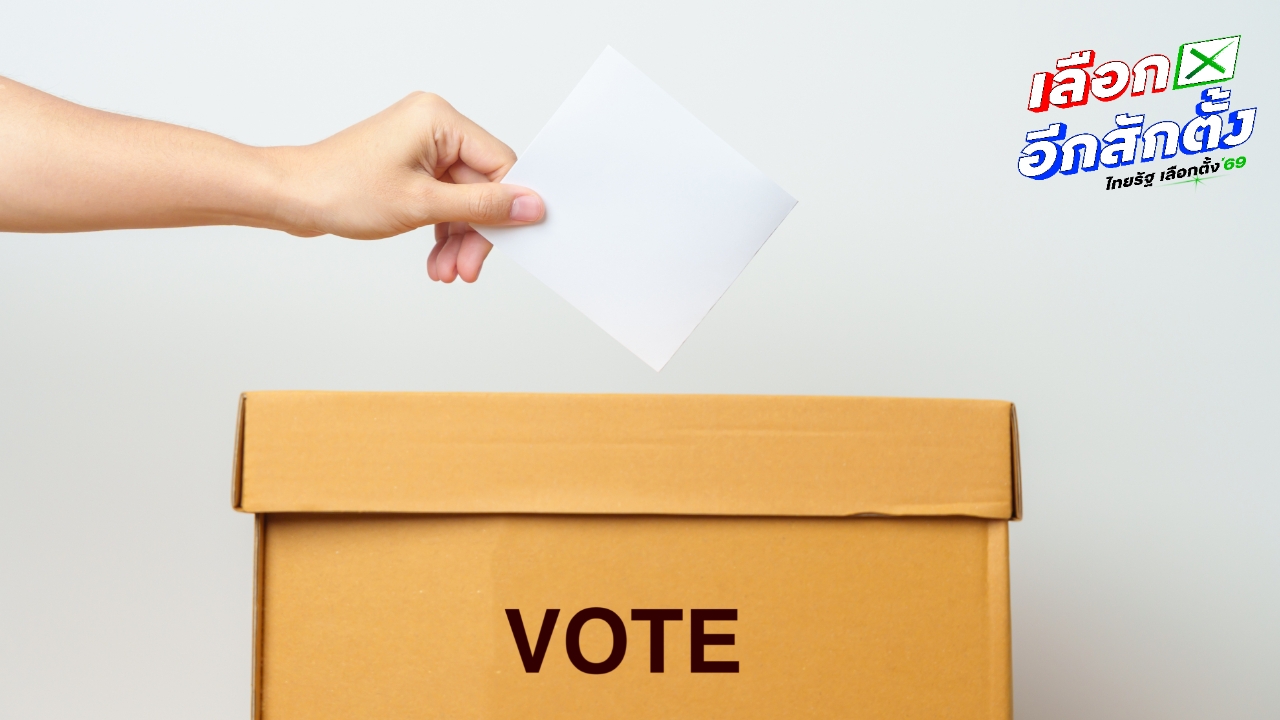
Clarifying the difference between “No Vote” and “Vote No,” summarizing the legal impacts, loss of rights, and significance for the 2026 election, with a thorough analysis aimed at the younger generation.
As the 2026 election approaches, a common debate among eligible voters is whether to express political views by “not voting for anyone” or by “not voting at all.” In fact, “No Vote” and “Vote No” have completely different meanings and consequences, both in terms of vote counting and legal penalties. This article will explore every aspect before you decide to cast your ballot.
Amid heightened political awareness surrounding the 2026 election, understanding the “tools” available to voters is crucial—especially for those dissatisfied with any candidate on the ballot. The choice between staying home (No Vote) or entering the booth to mark the 'no preference' box (Vote No) carries significant implications that could shift Thailand’s political direction more than expected.
Vote No means eligible voters go to the booth, receive a ballot, and mark an X in the “no preference” box located at the end of the ballot.

No Vote means an eligible voter does not go to vote, whether by deliberate protest or unavoidable circumstances.
Legal status: It is not counted and is considered neglect of constitutional duty.
Campaigns to boycott voting: In some contexts, campaigns encouraging not voting aim to reject the entire electoral process, but under Thai law, this carries risks and harms the individual.
Many mistakenly believe spoilt ballots (e.g., those with protest messages or multiple marks) count as Vote No, but election law states invalid ballots are excluded from vote counts and cannot overturn election results as a valid Vote No can.
If you choose No Vote without valid reason, you face political rights restrictions for two years, including:
The 2026 election will be a pivotal moment to set the foundation for economic, welfare, and freedom policies. Using Vote No is a more effective way to communicate than No Vote, as it affirms your presence in democracy and that your voice matters enough to reject inadequate choices.