

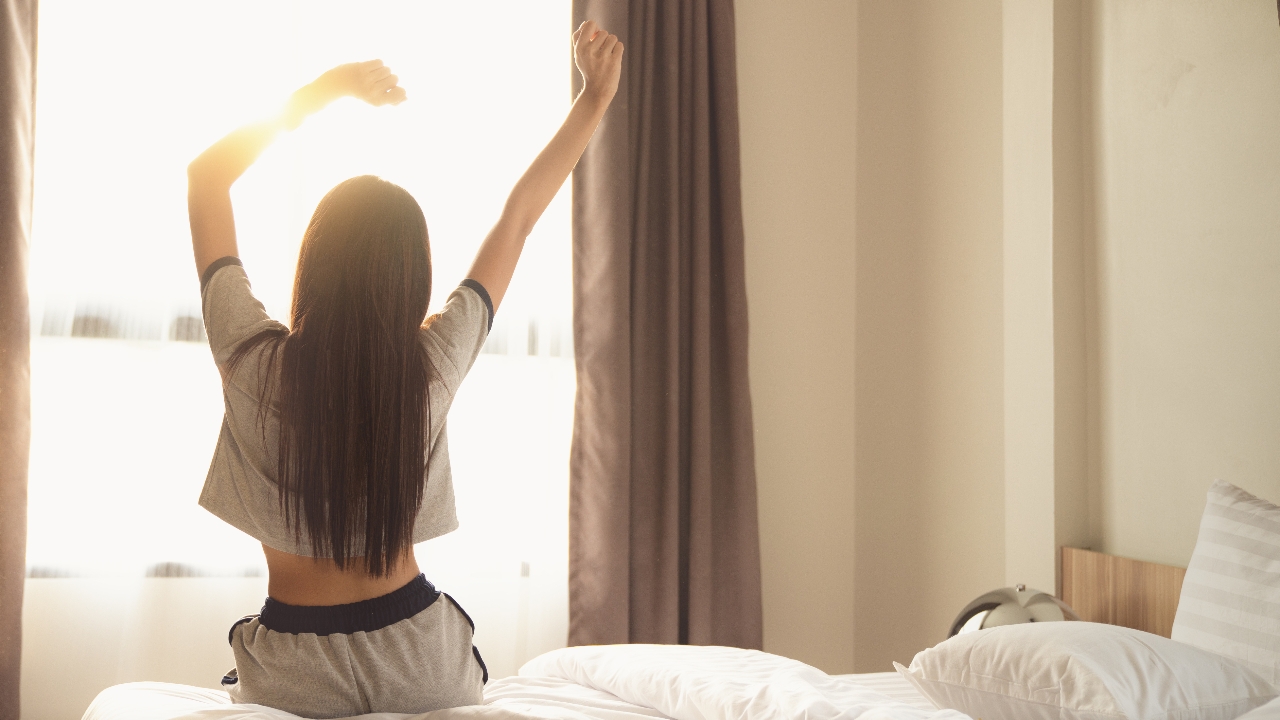
The alarm clock sounds in the morning. Instead of feeling refreshed and ready to start the day, you feel as if you only just fell asleep moments ago. Your body feels heavy, your mind foggy, and fatigue clings to you all day long, even though you’re sure you went to bed early and got a full 8 hours of sleep as recommended.
If you’re facing this confusing situation, you’re not imagining it, and it’s not laziness. Rather, it’s a warning sign from your body signaling that your sleep quality is problematic.
It’s time to get to know Sleep Hygiene, the key to unlocking why the magic number 8 hours isn’t the final answer to restful sleep.
Of course, we’ve all been taught to believe that“You must get a full 8 hours of sleep.”While this is generally good for health, in reality, good sleep isn’t measured by the clock alone but rather by“the quality of sleep.”If you sleep long but toss and turn or cannot reach deep sleep, your body won’t fully repair and rejuvenate, leaving you waking up feeling as tired as if you hadn’t slept at all. That’s why Sleep Hygiene plays a role in adjusting behaviors and the environment to promote the highest quality sleep.
Sleep Hygiene starts simply with your surroundings. The bedroom environment affects the brain more than you might think. A good bedroom should be completely dark and comfortably cool. Even slight light from street lamps or electronic indicator lights can disrupt melatonin secretion, the hormone that aids sleep. The ideal temperature is around 23-25 degrees Celsius to help the body enter rest mode more easily. Importantly, the bed should be reserved only for“sleep.”Using the bed for work or watching series confuses the brain and prevents it from switching off when it’s truly time to sleep.
The biggest enemy in the digital age is blue light from smartphone, tablet, or computer screens. This light tricks the brain into thinking it’s still daytime, suppressing natural sleepiness. It’s best to put your phone away at least one hour before bedtime. Also important are drinks: caffeine in coffee or tea can stay in your system longer than expected, so avoid these in the afternoon. Alcohol may help you fall asleep initially but reduces sleep quality and causes nighttime awakenings.
The human body loves consistency. Going to bed and waking up at the same time every day, even on weekends, helps balance your internal clock. Sleeping late and waking late on weekends can cause Social Jetlag—a groggy feeling like jetlag when you have to wake early on Monday. Training your body to remember your rest times helps you fall asleep easier and wake refreshed naturally without an annoying alarm clock.
Sleep Hygiene isn’t a magic cure that works overnight, but a series of small lifestyle changes requiring persistence. Start by examining your habits tonight: make your room darker, put yourphoneaway earlier, and you’ll discover that truly quality sleep can wonderfully transform you into a new person, full of energy every morning.