

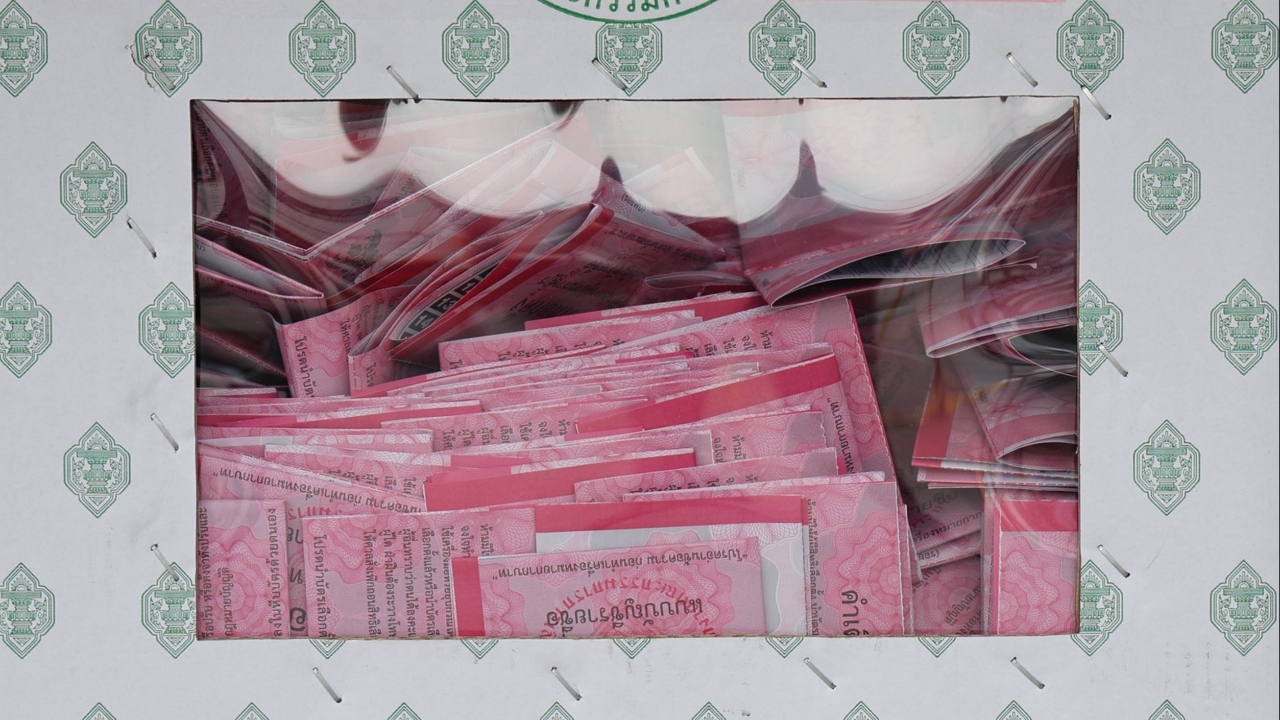
Although voting in the 2026 election has finished and ballots have been cast, the process does not end immediately at 5:00 p.m.
This entire situation marks the start of the most intense political spotlight yet. Many may wonder why official results are not immediately available and what factors during this interim period could shift the political landscape.
Starting around 9:00 p.m., unofficial vote counts begin to be reported through various media outlets. These are "raw votes" from polling stations nationwide. While this gives a broad idea of which parties are leading, these numbers cannot yet be used to fully establish a government.
The key reason is that early results often come from simpler precincts or those with fewer voters, while more complex areas or overseas votes may be reported later, potentially affecting the numbers.The number of Members of Parliament (MPs)on party lists can fluctuate throughout the night.
The law grants the Election Commission (EC) up to 60 days, no later than early April 2026, to verify results before officially declaring them. This is when the "deciders" begin their full work.
If evidence of vote-buying is found, the EC has the authority to suspend candidates' rights—commonly known as issuing yellow or red cards—which could lead to new elections in affected districts.
Technical issues where ballot counts do not match voter turnout could prompt a complete recount at a polling station, and even a few votes can immediately change the winner in that district.
Any vote adjustments from recounts are recalculated nationwide to allocate seats.The entire party-list MPsmay be rearranged.
While awaiting official certification, political maneuvering to form a government will take place. Parties will use unofficial vote counts as leverage to negotiate coalition support to reach a parliamentary majority. The public should watch how political blocs shift and where smaller parties lend their support.
To stay informed, the public should monitor two key sources.
First: Statistical data – follow reports from the EC on voter turnout and invalid ballots, which indicate public engagement and government performance.
Second: Political developments – track analyses from reputable media on various "deals," as these movements often reveal the likely new government more clearly than raw numbers.
Today's election (8 February 2026) is only the start of a two-month-long process. Official clarity will come when the EC is confident in the integrity and fairness of the process, confirming that every citizen’s vote has been counted correctly and fairly.
Photo: Ekkaluk Mainoi