

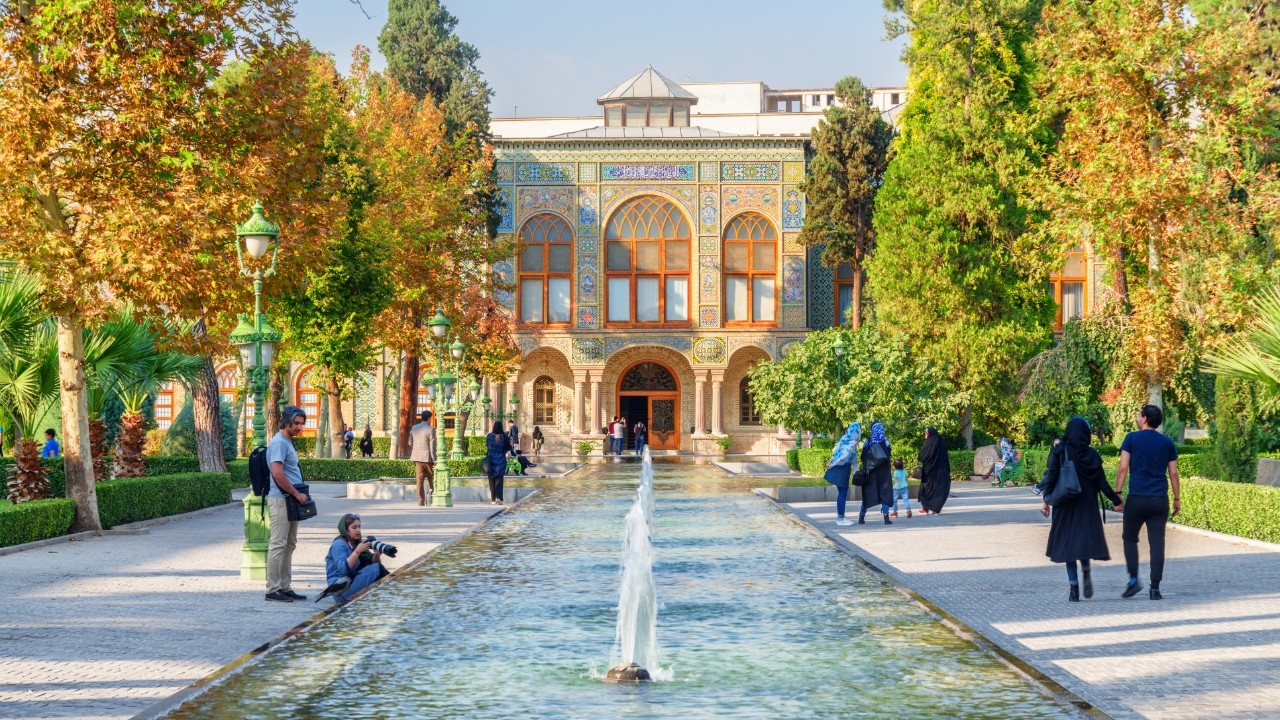
An introduction to the history and importance of Golestan Palace, a UNESCO World Heritage site in Tehran, Iran, amidst global concerns over ongoing conflicts.
Golestan Palace is not just a beautiful structure in central Tehran; it is the cultural and historical "heart" of Iran, recognized as a UNESCO World Heritage site. Amid the Middle East's tense situation affecting important heritage sites, this article revisits the grandeur of the Qajar dynasty and explains why the world must unite to protect this treasure of humanity.
Golestan Palace, or the "Palace of Flowers," located in Tehran, Iran, began construction during the Safavid dynasty but was most elaborately expanded and decorated during the Qajar dynasty in the 18th and 19th centuries. It served as the official residence and administrative center of the country.

This site represents the glory of Persian art perfectly blended with Western influences, earning UNESCO recognition as a World Heritage site in 2013.
Golestan Palace covers a vast area and was once part of Tehran's historic fortress (Arg). Its exterior is distinguished by the Qajar-era "polychrome tiles," featuring designs of flowers, animals, and scenes from Persian life. Combined with a Persian-style garden emphasizing shaded water features and greenery, the palace appears majestic like a paradise on earth.

Inside the palace, the wealth is vividly displayed. Many rooms, especially the Hall of Mirrors, are decorated with countless small mirrors cut into geometric shapes that sparkle brilliantly. Furniture, paintings, and chandeliers imported from Europe reflect the era when Iran began integrating Western culture with its traditional roots.

One of the palace's most precious artifacts is the Peacock Throne (Takht-e Tavous), adorned with countless precious gems including emeralds, rubies, and diamonds. The throne is intricately designed in the shape of a peacock with a fanned tail, symbolizing the supreme power of the Persian king. It was used in coronation ceremonies and is a symbol visitors worldwide long to see in person.
In the context of regional conflict, any loss or damage to Golestan Palace affects not only Iranians but the world's historical heritage. Under the Paris Convention for the Protection of Cultural and Natural World Heritage, destruction of heritage sites violates an important international agreement highly valued worldwide.