

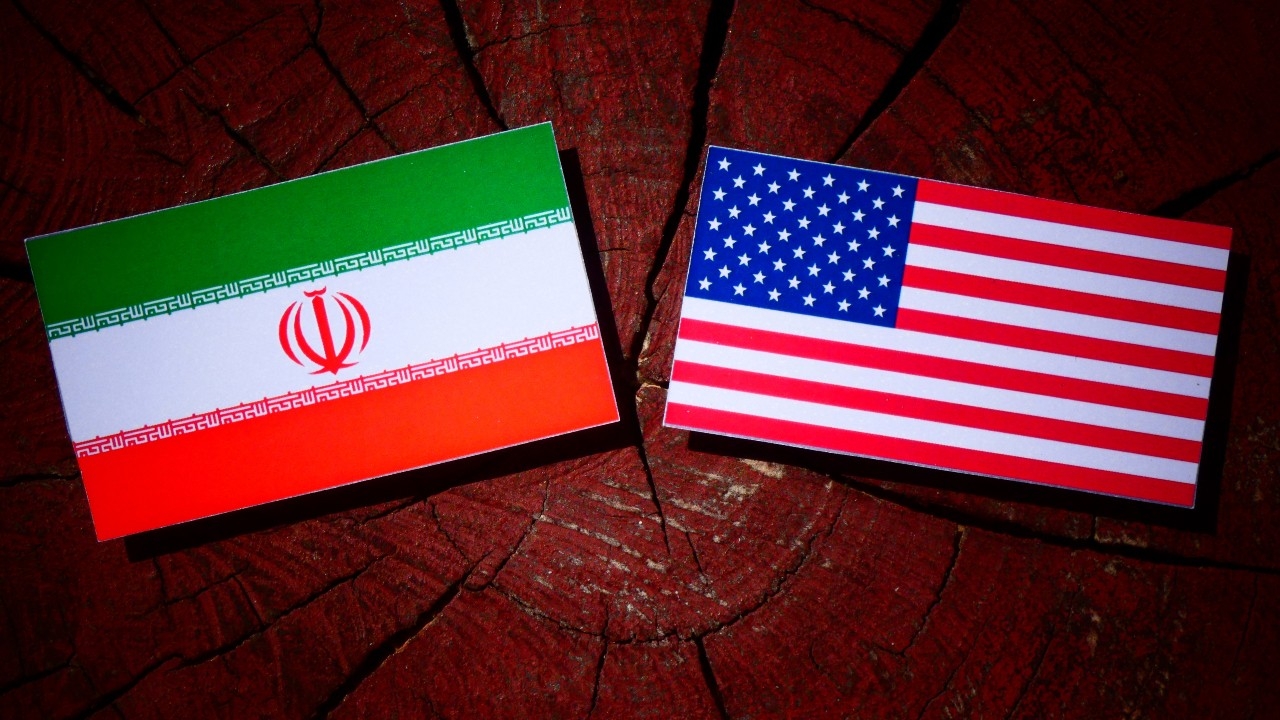
Although the US and Iran have not declared full-scale war, tensions and conflicts in the Middle East remain a hot and persistent issue with ongoing risks.
Certainly, if this conflict escalates into a "prolonged war," its impact will inevitably affect the livelihoods and daily lives of Thai people. Here are five crisis warning signs to prepare for.
1. Soaring Oil Prices
The Middle East is the world's most important oil-producing region, especially the "Strait of Hormuz," which Iran controls. If a prolonged war occurs and this strait is blocked or oil transport is disrupted, global crude oil prices will surge sharply. Thailand, which mainly imports crude oil, will inevitably face higher pump prices.
2. Tourism Disrupted with Sky-High Airfares
The tourism and travel industry will be heavily affected by two factors.
First, fuel costs: jet fuel prices will rise following crude oil prices, forcing airlines to increase ticket prices and reroute flights. Due to airspace closures, airlines will have to fly around conflict zones in the Middle East, resulting in longer travel times and higher fuel consumption.
Additionally, tourists from Europe or the Middle East may delay trips to Thailand, impacting the country's tourism revenue.
3. Heavy Baht Fluctuations and Record Gold Prices
During wartime, global investors tend to sell risky assets and flock to "safe-haven assets" like the US dollar and gold.
The baht may experience volatility and likely weaken against the dollar, increasing Thailand's import costs. Meanwhile, gold prices will continue to rise sharply. Those wanting to buy gold for investment may face high prices, while current gold holders might find a good opportunity to profit.
4. Rising Transportation Costs
As oil prices increase, logistics and domestic transportation costs will rise accordingly. Businesses may struggle to absorb these costs and will likely raise prices for consumer goods. Ultimately, the public will bear this burden as "inflation," leading to higher living costs and reduced purchasing power.
5. Export and International Trade Disruptions
War affects key shipping routes such as the Red Sea and the Persian Gulf. Sea freight from Thailand to the Middle East and Europe will face delays and higher shipping rates. Thai exporters of agricultural products, automotive parts, and electronics may lose revenue or face significantly reduced profit margins.
Although a direct war may not yet have occurred, global geopolitical volatility cannot be underestimated. Staying informed and having contingency plans is the best approach.