

Thairath Online
Thairath Online

Understanding the Heat Index: At What Temperature Does It Become a Health Hazard?

Life02 Apr 2026 18:07 GMT+7

Share

Understanding the Heat Index: At What Temperature Does It Become a Health Hazard?

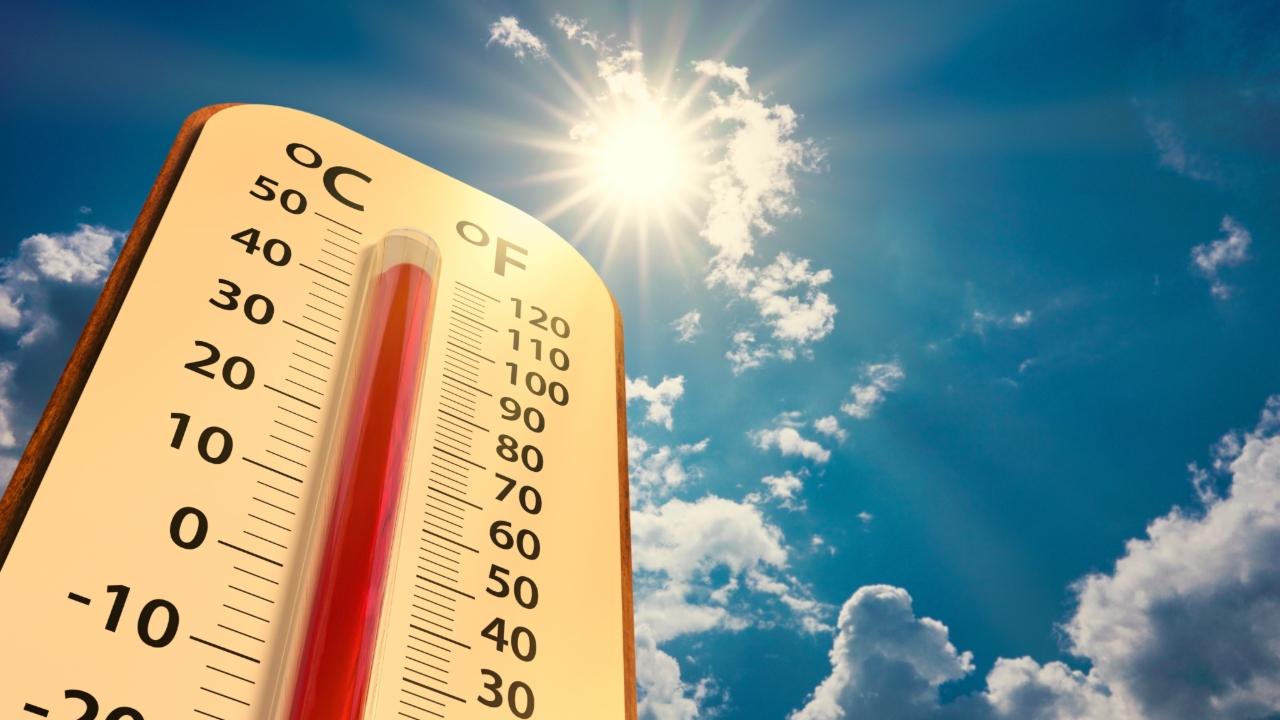
Period of extreme heat In Thailand, many people may have heard the term “ Heat Index ” used in weather forecasts and health warnings, especially during unusually hot summer periods that can impact health if staying outdoors too long.

Thairath Online will help explain what the Heat Index is and at what level it starts to become dangerous to the body, enabling appropriate protection against extreme heat risks.

Getting to know the "Heat Index" and what it means

The Heat Index is a value that indicates the temperature the human body “actually feels” at a given time. It does not depend solely on air temperature but also factors in the relative humidity.

When the air is hot and humid, sweat evaporates less easily, making it harder for the body to cool down. This causes us to feel hotter than the actual temperature and increases the risk of health issues such as

  • heat exhaustion,
  • dizziness,
  • heat rash,
  • and heat stroke.

Checking the Heat Index in 2026: At what temperature does extreme heat become hazardous to health?

For the hot weather in 2026, the Heat Index can be divided into 4 levels with corresponding advice as follows:

1. Watch Level

  • Temperature : 27.0–32.9 degrees Celsius
  • Advice : Monitor heat warnings and maintain regular health care.
  • At-risk groups : Should drink clean water frequently to prevent dehydration.

2. Warning Level

  • Temperature : 33.0–41.9 degrees Celsius
  • Advice : Reduce outdoor activities, especially between 11:00 a.m. and 3:00 p.m. when heat is most intense.
  • At-risk groups : If symptoms such as dizziness, fatigue, or nausea occur, seek medical attention immediately.

3. Danger Level

  • Temperature : 42.0–51.9 degrees Celsius
  • Advice : Closely monitor your condition and avoid prolonged exposure to the sun.
  • At-risk groups : Seek medical help promptly if symptoms arise, as heat stroke risk is high.

4. Extreme Danger Level

  • Temperature : Above 52.0 degrees Celsius
  • Advice : Absolutely avoid outdoor activities and stay in shaded or well-ventilated indoor areas.
  • At-risk groups : If symptoms like fainting, severe heat, or unconsciousness occur, get emergency medical treatment immediately.

At-risk groups needing special care during "hot weather" include

  • young children (0–5 years)
  • elderly people 60 years and older
  • pregnant women
  • patients with chronic diseases
  • people with obesity
  • those who consume alcohol
  • people who work outdoors for long hours
  • outdoor exercisers and tourists

However, if the Heat Index is at or above the "level warning " (33.0–41.9 degrees Celsius), outdoor activities should be reduced and adequate hydration maintained. Knowing risk levels in advance helps the public prevent harm from extreme heat and reduce the risk of heat stroke. Thank you for the information from:

Bangkok Metropolitan Administration