

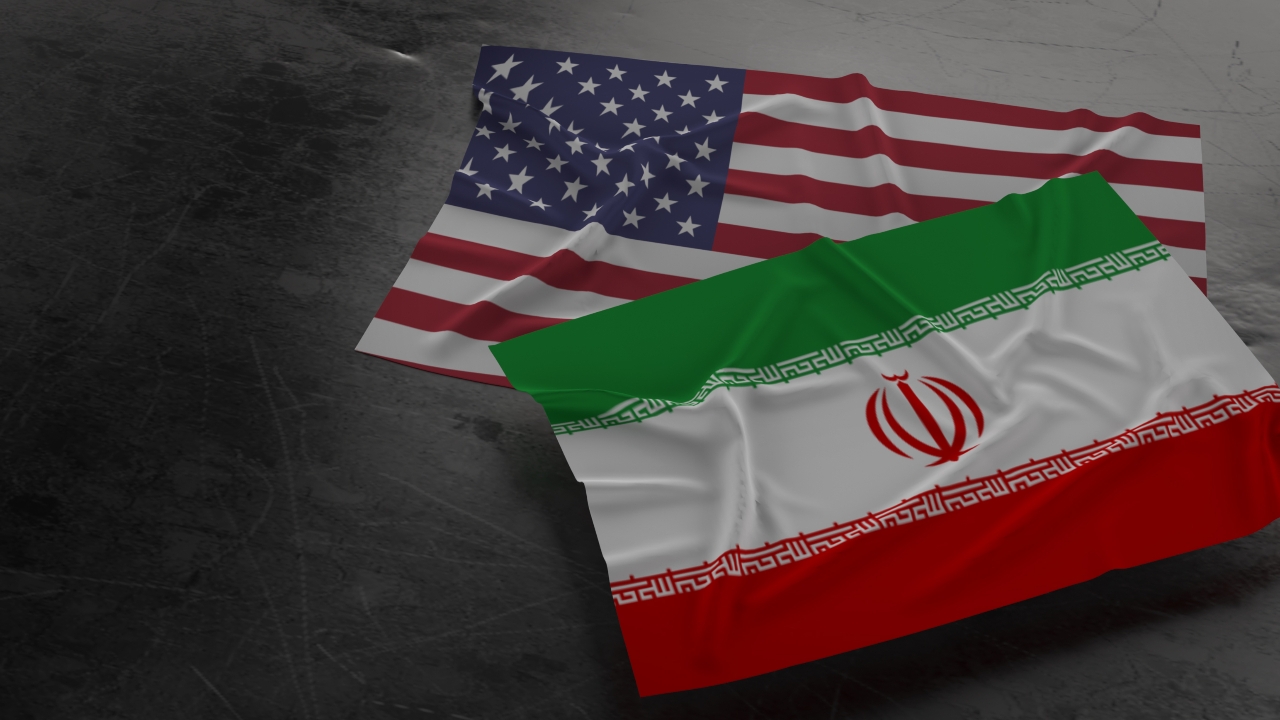
Amid escalating conflict in the Middle East following the US and Israel's attacks on Iran at the end of February,
a recent survey by RealWatch Lab reveals that Thai people are closely monitoring the situation, with 68% expressing concern about international political stances and the energy crisis.
By analyzing over 34,000 social media messages over the past 10 days, RealWatch Lab found that the greatest worry among Thais. is not merely about "oil" but about the "political stance."
The number one concern is foreign policy stance, at as high as 37%. Netizens are divided, but most agree that “Thailand must remain neutral” to avoid the repercussions of the great power conflict.
Next in line remainsinevitably the energy crisis and cost of living at 31%. Thai people fear that rising global oil prices will damage Thailand’s economy and drive inflation higher.
Furthermore, security concerns and the potential spread of war rank third at 24%. Many have begun questioning the possibility of a “Third World War” and its impact on safety within Thailand. Fourth and fifth places are concerns about information warfare at 5%, with Thais alarmed by fears of fake news and misinformation from both sides, as well as the fate of Thai workers at 3%, reflecting worries for fellow Thais still trapped in conflict zones.
The National Economic and Social Development Council (NESDC) has also analyzed the impact of the situation on Thailand’s economy in terms of " two concerning scenarios." Data from the World Bank and NESDC reveal alarming figures: if the war drags on and the "Strait of Hormuz"—a crucial global oil shipping route—is blocked, Thailand will inevitably be affected.
In the first scenario, if the conflict is brief but scattered and ends within a month, oil prices could range from $95 to $105 per barrel, reducing Thailand’s 2026 GDP growth to 1.6%.
The most worrying scenario is a prolonged, intense war with the Strait of Hormuz closed, driving oil prices up to $115–$125 per barrel, limiting Thailand’s economic growth to only 1.3% (down from the original forecast of 2%).
The challenges facing Thai people in this situation are not only a diplomatic test for the government in maintaining international relations but also a test of the strength of the country’s energy infrastructure and the public’s cost of living.
Amid voices from netizens calling for peace and appropriate positioning, the key question is whether Thailand is prepared to face the "economic domino effect" that lies ahead.
Information: RealWatchLab(RealWatch Lab), the Research and Data Analytics division of Real Smart Public Company Limited