

Amid escalating geopolitical tensions, especially the major global news about the closure of the Strait of Hormuz, many may think this is distant and only affects fuel prices at gas stations.
In reality, the economic shockwaves are hitting everyday items like plastic bags and rubber products. This marks a critical turning point where the Zero Waste concept is no longer just an eco-friendly lifestyle but could be a "lifeline" in an era of soaring resource costs.
The Strait of Hormuz is a vital artery transporting over 20% of the world's crude oil. When this route is blocked or at risk, global crude oil prices inevitably soar. Importantly, plastics and synthetic rubber originate from "petrochemicals," byproducts of crude oil refining.
Therefore, as oil prices rise, production costs for plastic bags, disposable cups, and even tiresand shoe soles, along with products made from plastic and rubber, increase accordingly.Producers unable to bear these costs ultimately pass the hidden expenses onto consumers like us in the form of higher prices.
Beyond economics, plastics and rubber are major contributors to global warming. From oil extraction to refining and molding into plastic or rubber, these processes emit vast amounts of greenhouse gases.
Plastic bags used for just five minutes take over 400 years to decompose, while rubber waste often ends up being incinerated, releasing toxic gases and carbon dioxide back into the atmosphere, perpetuating an endless cycle of rising global temperatures.
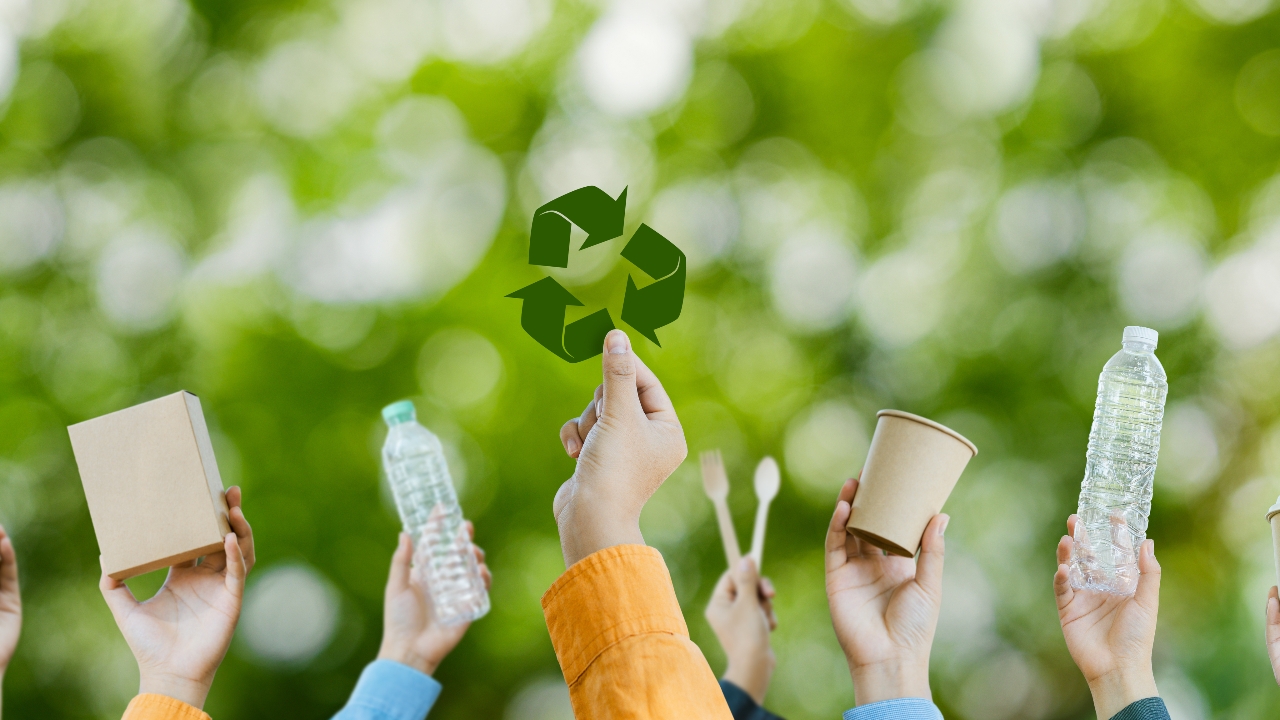
As disposable items become more expensive and environmentally damaging amid ongoing conflicts, adopting a Zero Waste lifestyle maximizes resource efficiency and may represent an exciting new wave. People are beginning to adapt in simple ways, such as
switching to alternative materials and rejecting single-use plastics from the start—boldly refusing plastic bags, straws, or cutlery with delivery orders and always carrying reusable cloth bags to break the cycle of new production.
Also, caring for rubber and plastic items to extend their usability—for example, regularly checking tire pressure to prolong tread life or repairing favorite shoes instead of buying new ones.
Investing in reusable items, like replacing daily bottled water purchases with a personal water bottle, not only reduces waste but can save tens of thousands of baht annually.
In an age when global conflicts impact our doorstep, awareness and small behavioral changes guided by Zero Waste principles provide a strong shield that helps save money while preserving the planet for future generations.