

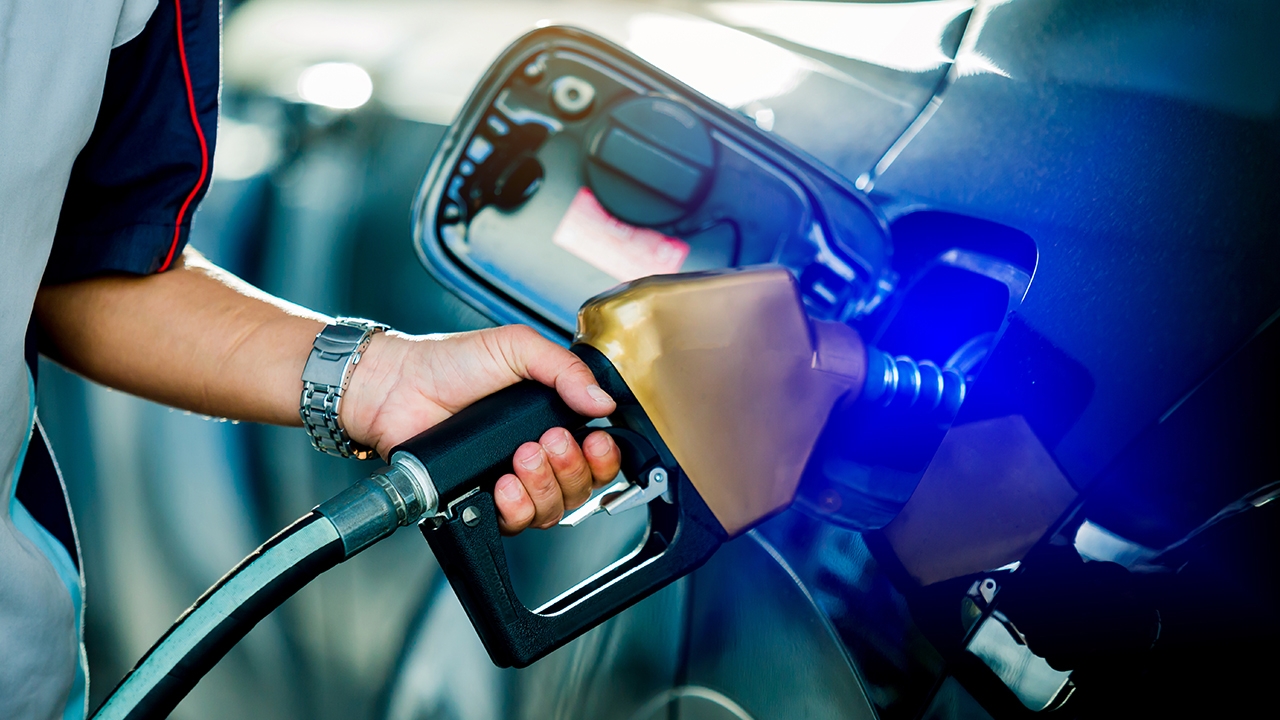
Clearing up drivers' doubts and tips When is the best time to refuel for maximum value? Is it true you get more fuel when filling up in the early morning? Here's a summary of the facts about temperature and fuel volume, along with practical fuel-saving methods.
Many drivers have probably heard the advice that "You should refuel in the early morning or at night when the air is cooler." This is based on the basic scientific principle that liquids contract when cold and expand when heated, leading to the belief passed down that refueling when the temperature is low yields denser fuel, giving you a "full measure" compared to filling up during the hot midday sun.
Although the principle of liquid expansion and contraction with temperature is true, experts in energy and automotive engineering explain that all gas stations follow strict safety standards, with large fuel tanks buried underground.

The underground environment acts like insulation, helping to maintain the fuel's temperature in the tank relatively "constant throughout the day." It is not directly affected by sunlight or outside weather. Therefore, whether drivers choose to refuel in the morning, afternoon, or night, the density of the fuel drawn through the pump nozzle is almost identical. The amount of fuel received is therefore the same. Choosing a refueling time hoping for better value does not significantly save fuel.
Choosing a refueling time Whether morning, afternoon, or night, it does not change the volume of fuel you receive because the underground storage system maintains a stable temperature. What drivers should focus on for maximum value is monitoring fuel prices, adjusting driving habits to avoid sudden acceleration, and regularly checking engine condition and tire pressure—these are fuel-saving techniques that deliver clear and lasting results.
While the refueling time doesn't affect the amount of fuel you get, your driving behavior directly impacts fuel efficiency. Here are techniques to help you use fuel most economically:
1. Avoid letting your fuel tank run nearly empty
You should not let your fuel level frequently drop to the red zone or trigger the warning light. This risks overworking the fuel pump and inadequate heat dissipation, causing damage. Also, excess air space in the tank can increase fuel evaporation. Refueling when the gauge shows about one-quarter full is the best approach.
2. Regularly check tire pressure
Underinflated tires increase friction with the road surface, forcing the engine to work harder and burn more fuel than usual. Maintaining tire pressure according to the manufacturer's recommendation (found in the vehicle's manual or on the driver's door sticker) is key to energy saving and safe driving.
3. Monitor fuel prices and credit card promotions
The biggest factor affecting value is the "pump price." Drivers should stay informed about fuel price announcements in advance and use credit cards or fuel station membership cards that offer point accumulation, discounts,orcashback, which directly reduce expenses effectively.