

Thairath Online
Thairath Online

Is Microwave-Safe Plastic Truly Safe? Clarifying the Microwave-Safe Symbol

Life07 May 2026 07:15 GMT+7

Share

Is Microwave-Safe Plastic Truly Safe? Clarifying the Microwave-Safe Symbol

Symbol Microwave-safe plastic Microwave-Safe Does it really mean 100% safe? Thairath Online investigates the doubts and highlights precautions to avoid chemical residues and microplastics.

Is plastic labeled microwave-safe truly safe?

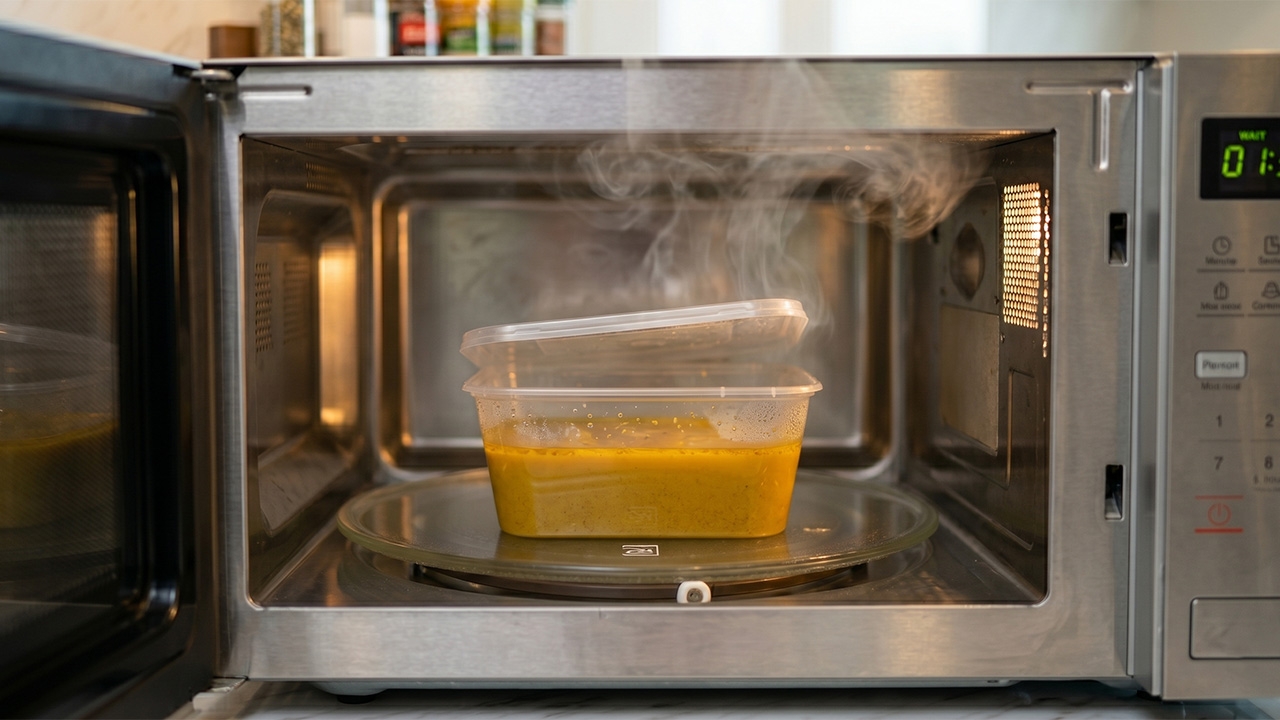
Many people see the microwave wave symbol or the words "Microwave-Safe" on food containers and immediately heat them in the microwave with confidence. However, health and science communities still question whether these plastics are truly 100% safe for microwave use and if chemicals might leach into the food.

What does the "Microwave-Safe" symbol mean?

According to food safety agencies, including the U.S. Food and Drug Administration (FDA), the "Microwave-Safe" symbol on plastic containers—usually polypropylene (PP), recycling number 5—means the plastic will not melt, crack, or warp under microwave heat. Chemical migration into food is "within government-set standards deemed not acutely harmful."

วิธีดูสัญลักษณ์พลาสติกเข้าไมโครเวฟได้

Does having the symbol mean it is truly "100% safe"?

Although tested for heat resistance, it does not mean zero risk. Packaging research shows that when plastic undergoes continuous high heat, two main concerns arise:

  1. Microplastic contamination: High heat can degrade plastic structure, releasing microplastic particles into food.

  2. Reactions with fats and sugars: Foods high in fat (oil, butter, fatty meat) or sugar can reach temperatures much higher than water's boiling point. This intense heat can damage even microwave-safe plastic surfaces and increase the chance of chemical leaching.

Precautions when heating food in plastic

For safety and to reduce chemical buildup in the body, follow these recommendations:

  • Do not use degraded plastic. If plastic containers have scratches, discoloration, cloudiness, or warping, discard them immediately. Do not reuse for heating because cracks are easy points for chemical leaching.
  • Avoid heating fatty foods in plastic containers. For oily dishes or coconut milk curry, transfer food to glass or ceramic containers before microwaving to avoid damage.Items strictly prohibited in microwaves due to explosion risk.
  • Heat in short intervals. Avoid prolonged high heat. For large food portions, heat in small amounts, stir, then continue heating.
  • Do not allow plastic wrap to touch food directly. Even microwave-safe wraps should be kept away from food, especially fatty dishes, to prevent melting onto food.

Containers marked microwave-safe can be microwaved safely under regulated standards—they won't melt or catch fire. However, prolonged heating at very high temperatures or with high-fat foods still poses risks of microplastic and chemical contamination. For maximum safety, using heat-resistant glass or clear-coated ceramic containers is a more reliable choice.