

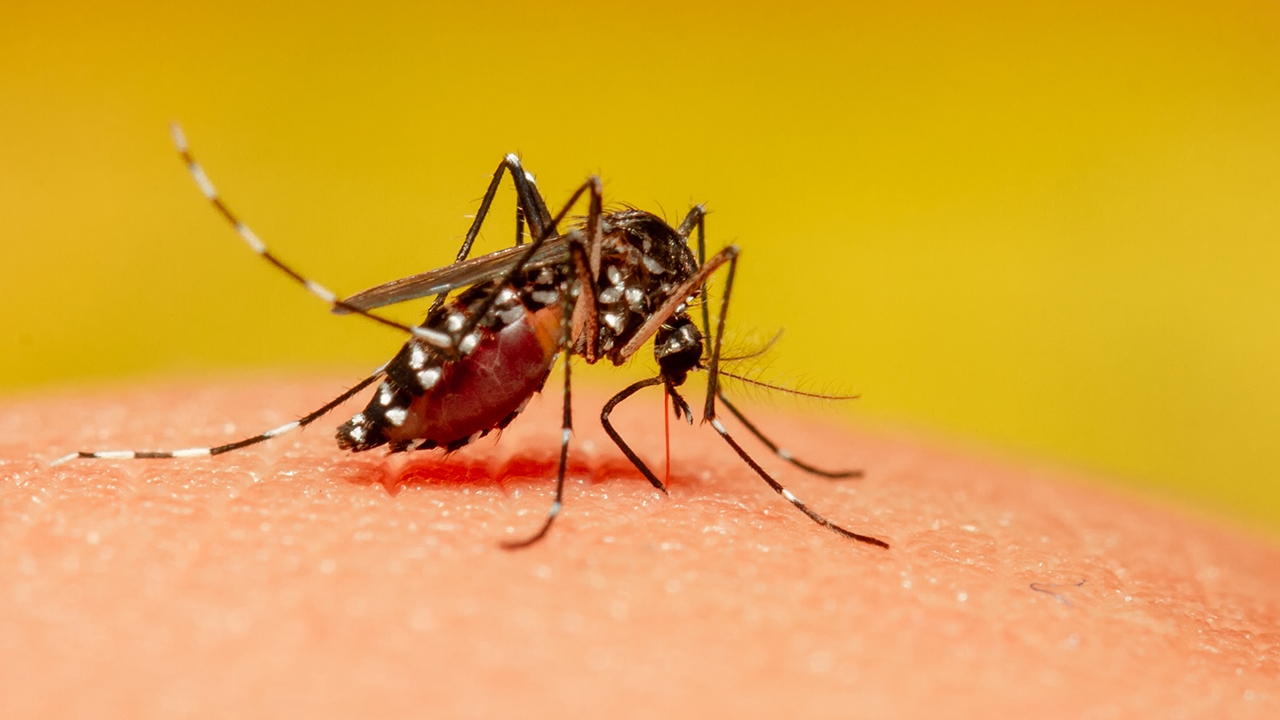
How Long Do Mosquitoes Live? A question many wonder when bothered by them. Let's explore the four-stage life cycle of these tiny killers, from egg to adult, revealing factors that extend mosquito lifespan and how to break the cycle to eliminate outbreaks.
On quiet nights, the buzzing near your ear is one of the most annoying human nuisances. Mosquitoes are not just pests; they are carriers of deadly diseases that have claimed countless lives worldwide. Many have wondered, "How long do mosquitoes live?" And if left alone, how long before they die on their own?

A surprising fact is that male and female mosquitoes have different lifespans, influenced by their diet and biological roles, as follows:
Data from the Department of Disease Control shows that Aedes mosquitoes, the dengue carriers in Thailand, can live up to 1-2 months in high humidity and moderate temperatures, increasing their potential to spread disease.
To understand mosquito lifespan, we must look back to their beginning. Mosquitoes undergo complete metamorphosis, divided into four main stages.
1. Egg stage
Female mosquitoes lay eggs in water or damp areas, about 50-200 at a time. Some mosquito eggs can survive dry conditions for months and hatch within 24-48 hours after receiving water.

2. Larva stage
Larvae live in water, breathe through air tubes, and feed on organic matter. This stage lasts about 7-10 days, depending on temperature and food availability.
3. Pupa stage
Similar to a butterfly's chrysalis, the mosquito pupa does not feed but moves quickly in water to avoid predators, lasting only 1-3 days before the adult mosquito emerges.
4. Adult stage
After emerging from the pupa, mosquitoes rest to dry their wings before flying to find food. Female mosquitoes seek “blood” to obtain protein for egg production, while males search for natural nectar.
Why do mosquitoes in homes sometimes seem never to decrease? Environmental factors can extend their lifespan.
Knowing how long mosquitoes live, the most effective prevention is to “break the cycle” before they reach the larval stage.
Information sourced fromVector-borne Disease Division, Department of Disease Control, Ministry of Public Health.