

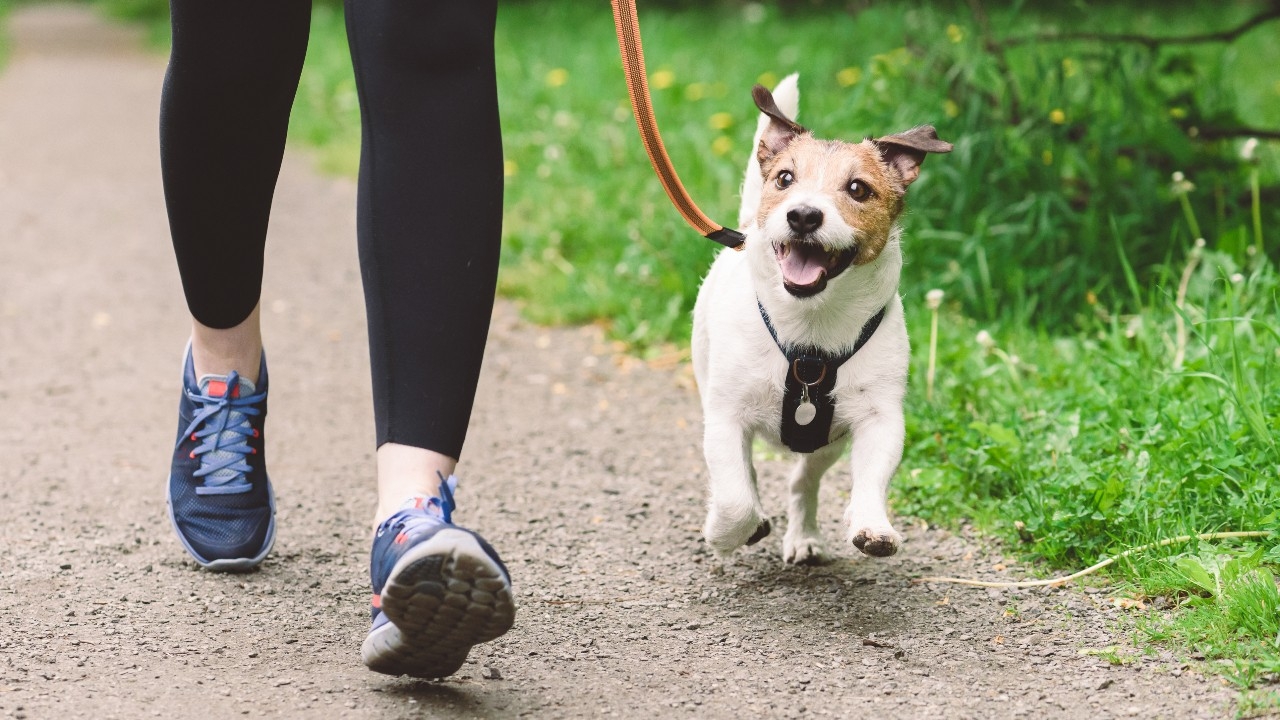
Running is no longer a solitary activity. The health trend now extends beyond people to include our beloved four-legged friends. The "Pet-Inclusive Running" trend, which involves taking pets—especially dogs—to run and exercise in parks or even participating in races that allow pets, is gaining strong popularity. Not only does it strengthen bonds, but it also helps burn energy, reduce stress, and curb destructive behavior at home effectively.
Many remain concerned about Thailand’s hot weather. When taking your dog out to run against the wind, be cautious of silent dangers like heatstroke or overheating because dogs don’t have sweat glands all over their bodies like humans. They cool down through panting and their paw pads only. Without proper preparation, what starts as a fun run could end with a trip to the veterinary hospital.
1. Choose the right time, avoid intense sun, and test the pavement.
A cardinal rule for running with your dog is to run only during early morning or evening when it’s cooler and less sunny. An important factor often overlooked is the "heat of the pavement." Use the "5-second rule" by placing your hand on the pavement for 5 seconds. If it feels too hot for you to bear, your dog’s paws will also struggle and may blister.
2. Equip properly: swap collars for harnesses.
For running, switch from a regular collar to a "harness" to prevent neck and windpipe injuries when your dog gets excited and pulls on the leash. Also, use a running-specific leash (hands-free leash) or one of appropriate length to avoid your dog tripping you while running.
3. Always carry water and be your dog’s personal bartender.
An essential item is a "portable water bottle and bowl." Regularly pause to let your dog sip water every 15-20 minutes during the run to maintain body temperature. Don’t let your dog run continuously until thirsty and panting heavily.
4. Assess fitness: start small and gradually increase.
Dogs, like people new to running, can’t jump into a half marathon on day one. Begin with short distances alternating walking and jogging, then observe their response. If your dog seems happy and capable, gradually increase distance on subsequent days. However, brachycephalic breeds like Pugs or French Bulldogs have respiratory structures that make them pant and tire more easily. For them, focus on brisk walking or light short runs only.
Watch your dog’s body language closely during the run. If your dog begins showing these signs, stop running immediately.
For first aid, quickly move your dog to a shaded, well-ventilated area. Use room-temperature water—never ice water—as cold water can cause blood vessels to constrict, preventing heat from dispersing. Gently wipe your dog’s body, especially the belly, groin, and paws. Let your dog drink small amounts of water, and if symptoms don’t improve, seek veterinary care immediately.
Running with your dog doubles the joy. By paying attention to details, preparing properly, and respecting your dog’s physical limits, this wind-filled run will build good physical health and lasting emotional happiness.