

Thairath Online
Thairath Online

How to Evacuate Pets Safely from Condos During Earthquakes to Protect Both Owners and Beloved Animals

Life18 May 2026 14:30 GMT+7

Share

How to Evacuate Pets Safely from Condos During Earthquakes to Protect Both Owners and Beloved Animals

This article compiles methods to evacuate pets from high-rise buildings during earthquakes in Bangkok, providing recommended steps to calmly and safely lead your beloved four-legged companions to safety.

Earthquake tremorsMyanmarThe recent tremors felt in Bangkok's high-rise buildings have raised awareness among condo residents, prompting guidance on how to safely evacuate pets from tall buildings without losing them during emergencies.

When the condo shakes: Pet instincts and what owners must face

The recent earthquake that shook Bangkok's high-rise buildings caused distress not only among humans but also among pets such as dogs and cats. These animals often sense abnormalities faster than people. Their instincts cause panic, fear, loud cries, or fleeing to hide, which poses a major challenge if an earthquake occurs in a condo and evacuation is necessary.

Evacuating pets from a high-rise building during an emergency differs from a routine walk because of time pressure, alarm sounds, and crowds of panicked people. Without proper preparation, accidents or lost pets can happen along the way.

Steps to safely evacuate pets from high-rise buildings

For the safety of both owners and pets, animal behavior experts and rescue units recommend the following evacuation steps for pets:

1. During the shaking (do not evacuate immediately)

First, stay calm and take cover by crouching or ducking.Take cover.Protect yourself first. If your pet is nearby, bring it to shelter with you. Do not try to chase it if it runs to hide under a bed or cabinet, as falling objects could injure you. Wait until the shaking stops.

2. After the shaking stops (begin evacuation)

  • Dogs: Immediately secure a sturdy leash. For small breeds, it is recommended to use an evacuation bag or carrying cage.
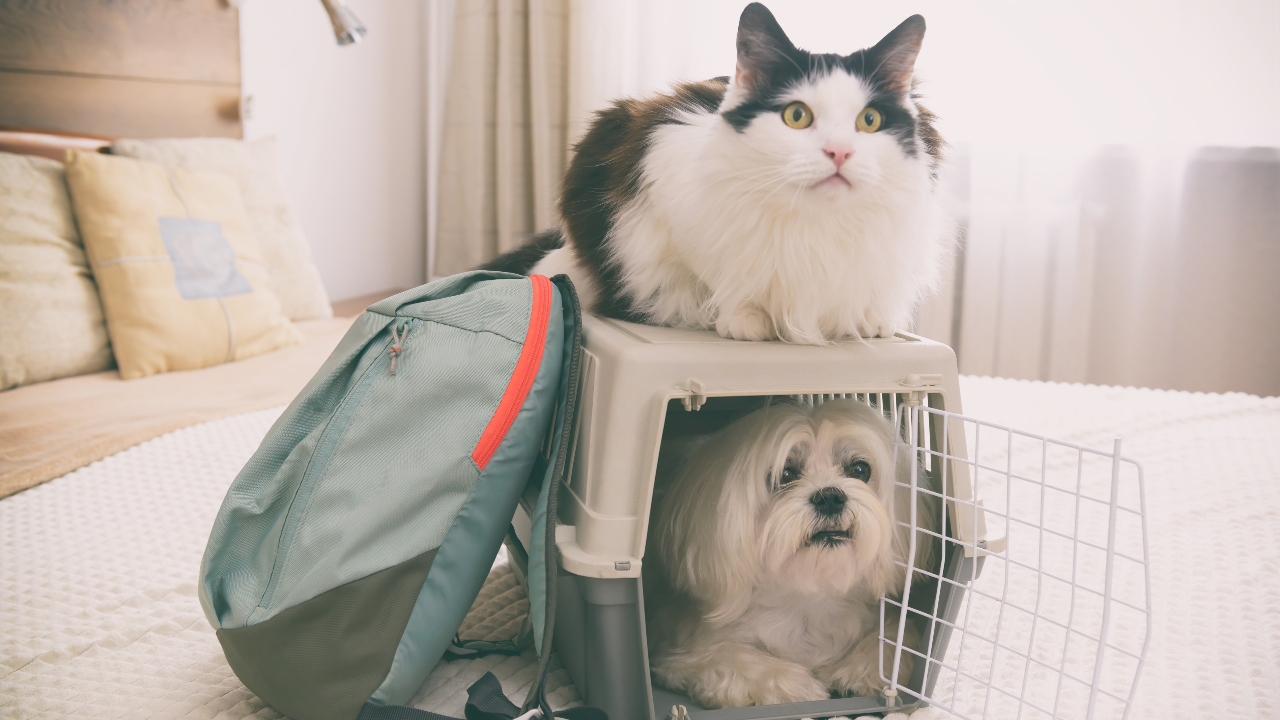
  • Cats and small animals: "Never carry them bare-handed."Startled cats may scratch, slip away, and run off easily. Place them in a basket, pet carrier, or zipped backpack designed for animals.
  • Use only emergency stairwells: Do not use elevators under any circumstances. Walk down the stairs carefully, ensuring leashes or bags do not obstruct others.

Checklist for a "pet emergency bag" must-haves

In countries prone to disasters, pet owners in high-rise buildings keep an emergency bag near their door. For Thailand, preparing such a bag in advance for possible earthquakes is essential.

  1. Food and water: Dry or wet pouch food (lightweight) and drinking water sufficient for at least 3-5 days.
  2. Basic medicines and first aid supplies: For pets with chronic conditions, plus alcohol wipes and small bandages.
  3. Important documents and ID tags: Copies of vaccination records (critical if staying at shelters) and clearly labeled pet tags with owner’s phone number.
  4. Sanitation supplies: Dog waste bags or a small amount of cat litter in a zip-lock bag with absorbent pads.

Three absolute prohibitions during pet evacuation in an earthquake

  • Do not carry pets bare-handed down emergency stairs: chaos can easily cause pets to slip away.
  • Do not leave pets alone in rooms: some think this is safer, butdamageto building structures or fires following an earthquake can trap pets inside and make rescue difficult.
  • Do not recklessly run through debris to find pets: if the environment is too dangerous (e.g., fire or building collapse), prioritize your own safety first.

Preparing and rehearsing fire escape routes with pets on days off can reduce panic for both humans and animals during real emergencies, ensuring that when disaster strikes, we can hold hands and safely get through the crisis together with our beloved four-legged family members.