

Thairath Online
Thairath Online

Emergency Bag Checklist: Essential Items to Prepare for Earthquake Evacuation

Life18 May 2026 16:09 GMT+7

Share

Emergency Bag Checklist: Essential Items to Prepare for Earthquake Evacuation

Following a 5.3 magnitude earthquake in Myanmar that caused tall buildings in Bangkok to feel tremors, we review a checklist of "emergency bags" and essential items to prepare for safe earthquake evacuation.

Emergency Bag Checklist: Essential Items to Prepare for Earthquake Evacuation

Following the 5.3 magnitude earthquake in Myanmar at a depth of 10 kilometers, residents in high-rise buildings in Bangkok and its vicinity felt the tremors, causing alarm and raising safety concerns. Although Thailand is not a direct earthquake epicenter, natural disasters are unpredictable. Preparing an "emergency bag" is essential for you and your family to survive during a crisis.

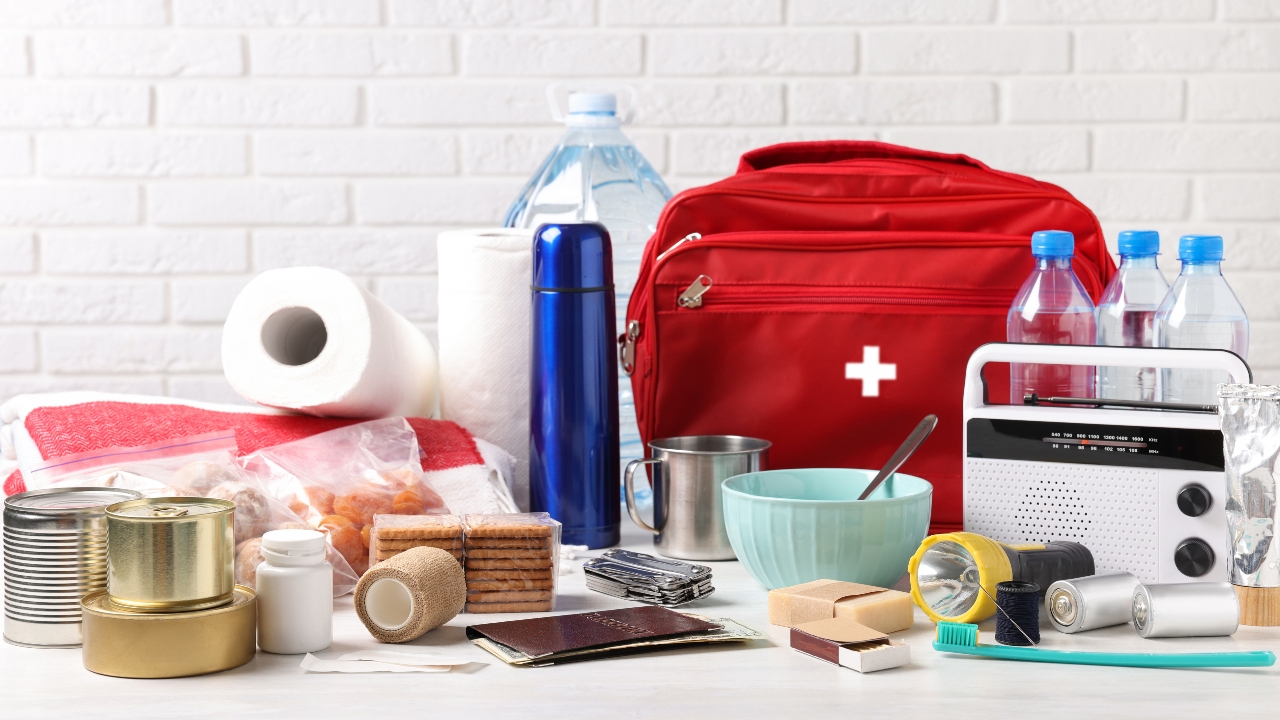
When assembling an emergency kit or evacuation bag, choose a sturdy, durable backpack that is not too heavy to allow quick grabbing and swift evacuation during an earthquake. The necessary items inside the bag fall into five key categories as follows.

1. Food and Drinking Water for Sustenance

Water and food are the most important items to prepare sufficiently for at least 3 days (72 hours) for every household member.

  • Bottled drinking water: Prepare at least 3 liters per person per day.
  • Ready-to-eat food: Should be dry or canned high-energy foods that require no cooking, such as canned fish, biscuits, dried rice, or whey protein.
  • Can opener: Do not forget a can opener if you include canned foods.

2. First Aid Supplies and Regular Medications

In emergencies where injuries may occur, medicines and medical supplies are indispensable.

  • Regular medications: For those with chronic illnesses, prepare an extra supply of medicines for at least 1-2 weeks in the bag.
  • Basic first aid kit: Includes adhesive bandages, gauze, alcohol wipes, anti-inflammatory drugs, pain relievers, fever reducers, and anti-diarrheal medication.
  • Face masks and wet tissues: For hygiene and protection against dust and smoke from building collapses.

3. Communication and Lighting Equipment

During strong earthquakes, power and phone signals may fail. These devices help you request assistance.

  • Flashlight and spare batteries: Avoid using matches or lighters inside collapsed buildings due to possible gas leaks.
  • Power bank: Keep fully charged to power your mobile phone.
  • Whistle: An important tool to signal your location if trapped under debris.
  • Battery-powered portable radio: To follow official announcements and news.

4. Important Documents and Cash

When electronic systems and ATMs may be unavailable, paper documents and cash help verify your identity.

  • Cash: Prepare small bills and coins sufficient for 3-7 days of expenses.
  • Waterproof document pouch: Include copies of ID card, house registration, passport, bankbook front page, and insurance policy.
  • Emergency contact numbers: Write them on paper in case your mobile phone battery dies.

5. Personal Items and Clothing

  • Spare clothes: T-shirts, long pants, andunderwear1-2 sets of comfortable clothing
  • Light blanket or sleeping bag: To keep warm at night.
  • Raincoat: To protect from changing weather conditions.

Precautions and Safety Procedures During an Earthquake

If you are in a tall building in Bangkok or a risk area and feel earthquake tremors, the key safety action is to "Drop, Cover, and Hold On" by crouching under a sturdy table to protect yourself from falling objects. Do not use elevators under any circumstances. Once shaking stops, promptly grab your emergency bag and evacuate via the emergency stairs to an open area.

Regularly preparing and checking the expiration dates of food and medicine in your emergency bag every six months will help ensure your and your loved ones' safety and enable you to face unforeseen disasters calmly.