

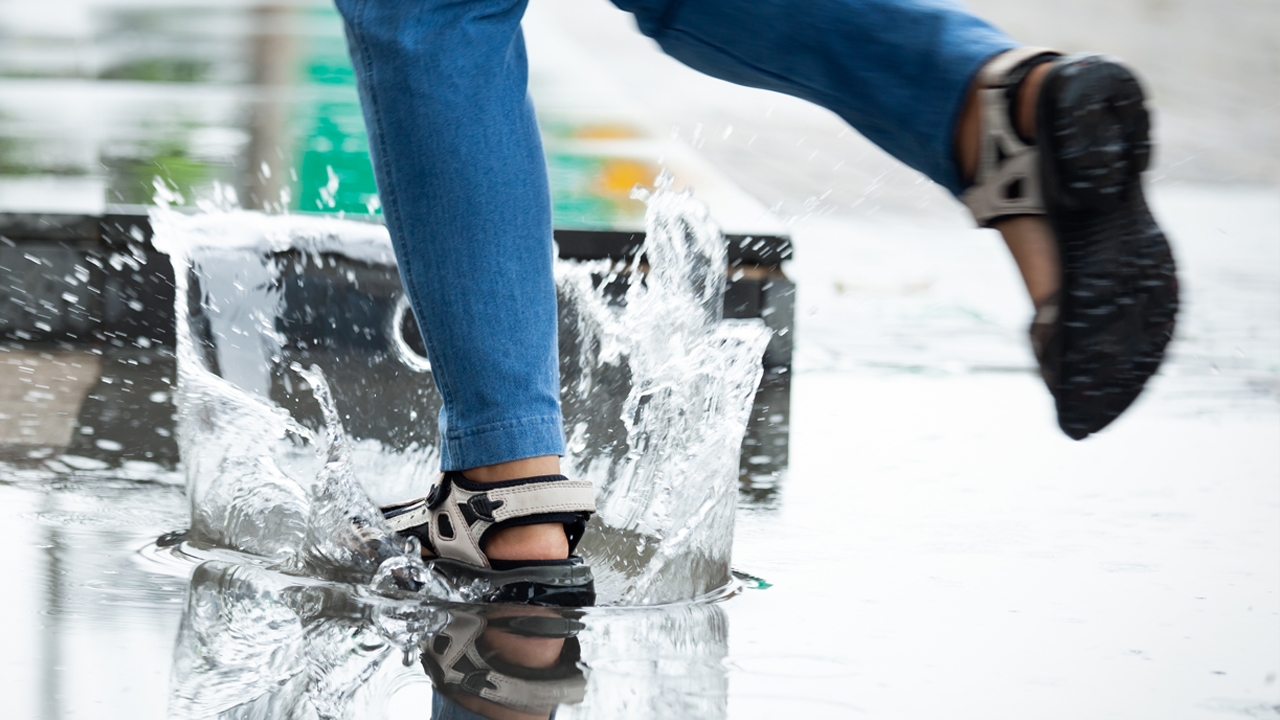
During the rainy season, many people inevitably face walking through flooded areas or being soaked by rain, resulting in shoes becoming drenched. When feet remain damp for a long time, the inevitable consequence is "foot odor problems" or smelly feet that undermine confidence every time shoes must be removed in public.
Thairath Online introduces the causes and compiles effective methods to solve foot odor during the rainy season, including ways to manage smelly, damp shoes for cleanliness and good hygiene for everyone.
Dermatology institutes and skin disease experts explain that foot odor results from a combination of "sweat" and "bacteria" on the skin. Normally, human feet have many sweat glands. When shoes or socks become damp from rainwater, bacteria on the skin break down substances in sweat and dead skin cells, producing fatty acids that cause a strong musty odor. The increased moisture during the rainy season also promotes rapid growth of bacteria and fungi.
If you are facing this problem, you can immediately apply these simple hygiene tips to reduce foot odor:
1. Wash your feet thoroughly right after walking through water.
After walking through floodwaters or rain, the first step upon reaching your destination is to remove shoes and socks. Then wash your feet with antibacterial soap, focusing on between toes and under the soles. Use a clean towel to dry thoroughly immediately—do not let feet air dry to avoid dampness.
2. Foot spa recipes to reduce odor using kitchen ingredients.
Soaking feet is a fast-acting remedy for smelly feet, with popular safe recipes as follows:
3. Use deodorant spray or powder.
After drying feet completely, apply a foot-specific spray or use Yoki powder, a body powder, dusted all over the soles and between toes. The powder absorbs moisture and reduces sweating during the day, preventing odors inside shoes.
4. Manage smelly shoes and socks.
Remedies won’t work if your shoes still harbor germs. Wet shoes should be washed and dried thoroughly in the sun or stuffed with crumpled old newspaper to absorb moisture. Also, choose 100% cotton socks that breathe better than synthetic fibers.
5. Alternate shoes instead of wearing the same pair repeatedly.
In the humid rainy season, sneakers may take longer to dry completely. Wearing damp shoes repeatedly accumulates germs. It’s recommended to have at least two pairs of shoes to alternate, allowing one pair to air out and dry fully before wearing again.
Besides unpleasant odor, dampness in the rainy season can lead to skin diseases like fungal infections or athlete’s foot. If the skin between toes becomes red, itchy, flaky, or blistered, see a dermatologist promptly for antibiotics or antifungal treatments. Do not ignore symptoms as infections can worsen.
Regularly maintaining foot and shoe hygiene during the rainy season not only solves foot odor and restores confidence but is also essential to protect your skin health throughout this season.