

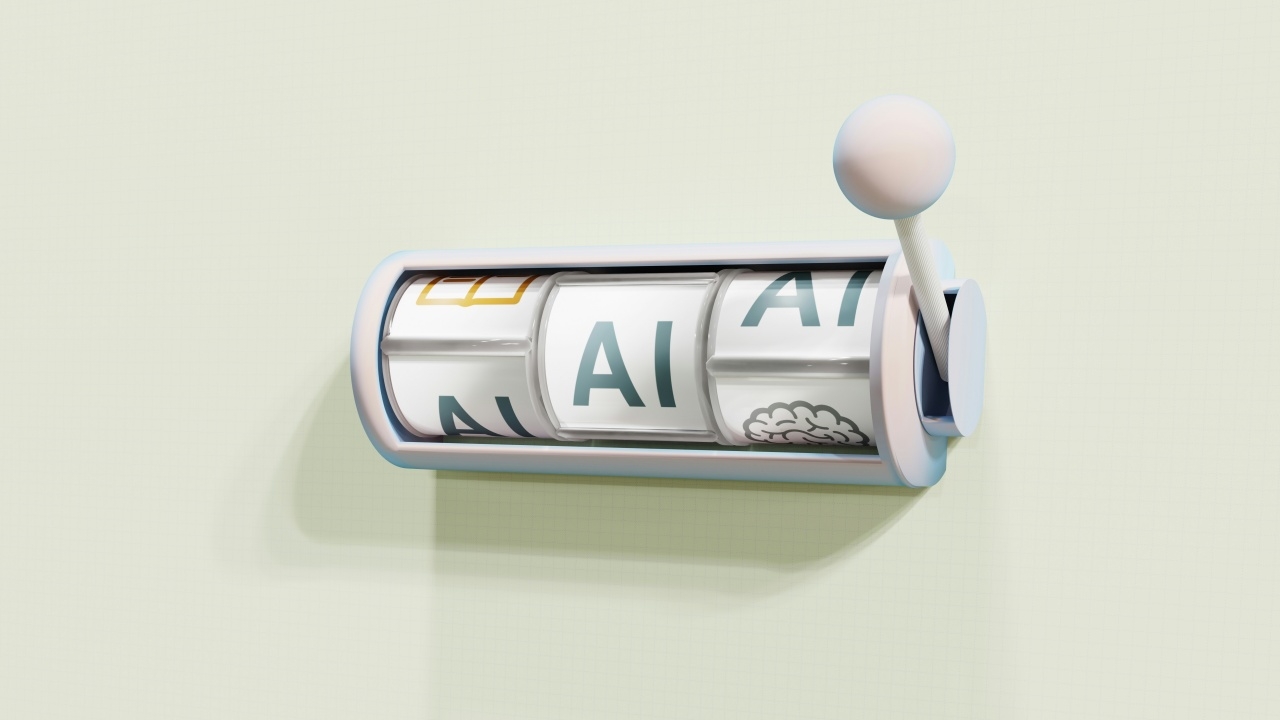
As AI advances to challenge humans' basic abilities, what skills must workers in the AI era possess? Here are five vital skills to create and refine—areas that technology still cannot replicate.
FastCompany magazine published an article titled "The Five Quotients: What Skills Will Matter Most in the Age of AI," which can be translated as "The Five Factors: Which Skills Will Be Most Important in the AI Era."
The article begins by stating that human potential is often measured by intellectual intelligence (IQ) and emotional intelligence (EQ). However, in an era where AI can synthesize vast amounts of data in fractions of a second and simulate empathy so convincingly it’s nearly indistinguishable, the line between humans and machines is becoming increasingly blurred.
The key question that follows is: when intelligence and emotions can be simulated, what will be humanity’s distinguishing strength in the AI age?
The answer is that the future will not belong to those with just these two skills, but to those who can integrate five skills together, especially the three new ones that technology (still) cannot imitate.
The first skill to emphasize is TQ, or Trust Quotient, which refers to credibility—not just familiarity or friendliness, but the credit earned by proving oneself under pressure.
In an age filled with misinformation and algorithms, trust serves as the foundational infrastructure driving society. Although AI can simulate trust within limited contexts, it cannot assume moral responsibility, a sense of right and wrong, or willingness to make sacrifices.
Next is WQ (Work Quotient), meaning the skills of commitment and responsibility. Since AI is tireless, works continuously without breaks, and operates faster than humans, competition based on speed or volume is a field where humans cannot win. Thus, the value of human work shifts to focus on dedication.
Certainly, humans possess judgment to recognize when something is amiss, even if statistics indicate normality. Machines may process data endlessly, but they cannot care about the mission’s goals or willingly take responsibility for the outcomes like humans do.
However, the most important skill is VQ (Vision Quotient), the ability to foresee possibilities before empirical evidence exists. Every leap in human civilization has stemmed from individuals with vision.
While AI is trained on existing patterns from the past to optimize what already exists, humans are creators of unprecedented things. No algorithm imagines building airplanes or initiating democracy independently. These arise from human imagination, conviction, and the courage to fail.
Toward the end, the article suggests the new test for humans is not just being the smartest or most eloquent but maintaining balance across all five skills simultaneously. Even if AI performs tasks faster in the future, it still cannot imagine futures yet to happen. AI can only improve the future, while only humans can truly create something new.
/source:FastCompany