

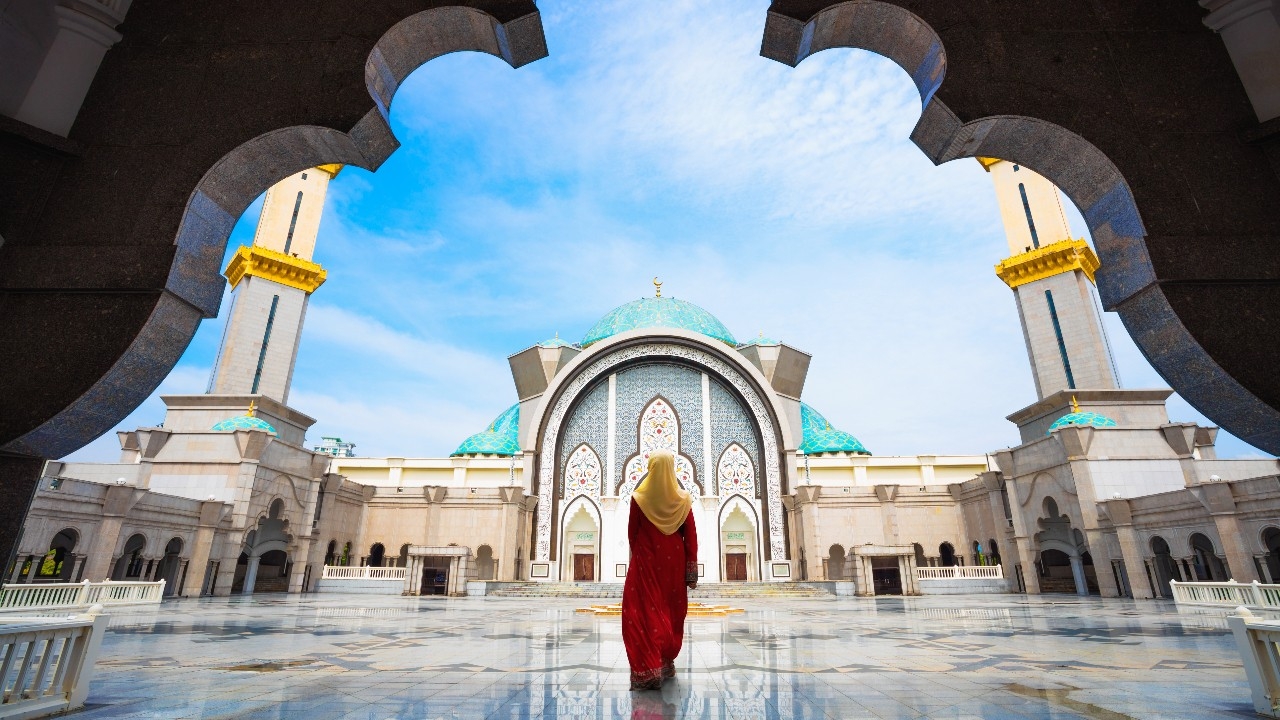
Global trend alert! Muslim tourists are projected to surge to 245 million by 2030, revealing"The power of Muslim women"is a key driving force that the travel industry must quickly adapt to.
Unveiling Muslim tourist trends while highlighting the power of Muslim women as a crucial key to driving the global travel industry in 2030.
The global travel industry is entering a new era worth watching, as the latest report from Mastercard and CrescentRating indicates that the international Muslim travel market is set for continuous growth, with projections showing the number of Muslim tourists reaching 186 million by 2025 and hitting 245 million by 2030. This reflects immense potential to become a major driver of the global economy in the near future.
The most important highlight of this report is the role of Muslim women, who have emerged as the primary influencers in travel decisions, accounting for nearly half—about 48%—of all Muslim tourists. This group of travelers not only seeks convenience but also values safety, trust, and access to advanced digital technology to plan trips and find services that transparently align with religious principles.
From a geopolitical tourism perspective,Asia and ASEANcontinue to hold the most important central position. In 2024, the Asian region attracted more than 120 million Muslim tourists, representing 65% of the global market. ASEAN countries such as Malaysia, Indonesia, Singapore, and Brunei have become favored destinations due to their strong halal ecosystems and comprehensive infrastructure investments. However, other non-Muslim destinations also have high growth potential if they can clearly communicate their readiness to provide Muslim-friendly services.
To enable timely adaptation by the business sector, the report presents the RIDA framework as a new standard for service. It starts with Responsibility, emphasizing regenerative and environmentally conscious tourism; Immersive experiences that allow travelers to genuinely engage with local culture; Digital integration through secure payment systems and artificial intelligence; and, importantly, Assurance via verifiable halal standards.
Ultimately, the growth of this market shows that the travel industry must move beyond merely providing basic accommodations toward building sustainable trust. Businesses that combine social responsibility with experiences that respect faith and personal culture will earn trust and establish long-term relationships with the rapidly growing, high-spending Muslim traveler demographic in this decade.